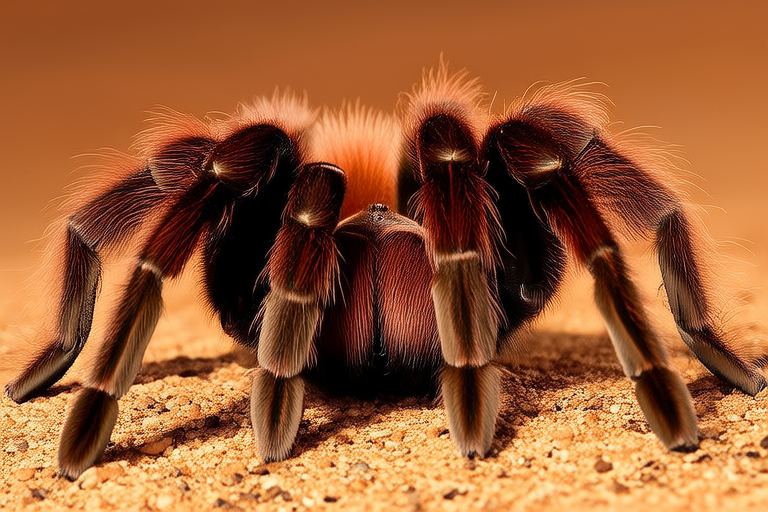
Top 10 Myths About Chilean Rose Tarantulas Busted!
The Grammostola rosea, commonly known as the Chilean rose tarantula, has become one of the most popular choices for those interested in keeping exotic pets. Their docile nature, relatively small size, and manageable care requirements make them ideal for beginners and seasoned arachnophiles alike. However, like any other animal, there are numerous myths surrounding these fascinating creatures that can mislead potential owners. This article aims to debunk ten of the most common myths about Chilean rose tarantulas, providing you with accurate information to help you make informed decisions.
Myth 1: Chilean Rose Tarantulas Are Highly Aggressive
Statement of the Myth: Many people believe that Chilean rose tarantulas are aggressive and will attack if provoked.
Factual Information: In reality, Chilean rose tarantulas are quite docile. They are generally slow-moving and prefer to avoid confrontation. When threatened, they may flick urticating hairs from their abdomen as a defense mechanism, which can cause irritation to the skin or eyes of predators. However, they rarely bite unless severely provoked. According to studies conducted by arachnologists, these spiders are more likely to play dead or retreat when faced with danger rather than engage in aggressive behavior.
Myth 2: Chilean Rose Tarantulas Do Not Require Specialized Housing
Statement of the Myth: Some owners assume that any container can suffice for housing a Chilean rose tarantula.
Factual Information: Proper housing is crucial for the health and well-being of your pet. A suitable enclosure should mimic the natural environment of the Chilean rose tarantula, which includes a substrate layer deep enough for burrowing, hiding spots, and appropriate humidity levels. The tank should be escape-proof, with secure ventilation. Experts recommend a terrarium specifically designed for reptiles or amphibians, as these often meet the necessary criteria for temperature and humidity control.
Myth 3: Chilean Rose Tarantulas Can Thrive on a Diet of Bread and Milk
Statement of the Myth: There is a misconception that these spiders can survive on a diet consisting primarily of bread and milk.
Factual Information: In the wild, Chilean rose tarantulas feed on insects such as crickets, mealworms, and occasionally small vertebrates. As pets, they require a varied diet of appropriately sized live prey to ensure they receive all necessary nutrients. Feeding them inappropriate foods like bread and milk can lead to malnutrition and health issues. It’s essential to consult with a veterinarian specializing in exotic animals for guidance on feeding schedules and dietary needs.
Myth 4: Chilean Rose Tarantulas Hibernate Year-Round
Statement of the Myth: Some owners believe that Chilean rose tarantulas hibernate throughout the year.
Factual Information: While Chilean rose tarantulas do enter a state similar to hibernation called ‘brumation,’ this typically occurs during cooler months and lasts only a few weeks. During brumation, the spider becomes less active and may refuse food. Providing a slightly lower temperature (around 65°F) and reducing feeding frequency can help simulate this natural process. However, maintaining consistent environmental conditions is vital for the spider’s overall health and longevity.
Myth 5: Chilean Rose Tarantulas Are Easy to Handle
Statement of the Myth: Many new owners think that handling their Chilean rose tarantulas frequently is safe and beneficial.
Factual Information: Although Chilean rose tarantulas are generally calm, handling them can still be stressful and potentially harmful. These spiders have delicate bodies and legs that can be injured during handling. Additionally, frequent handling increases the risk of dropping the spider, which can result in serious injury or death. It’s best to limit interactions to observing them within their enclosure and providing necessary care without direct contact.
Myth 6: All Chilean Rose Tarantulas Have Identical Temperaments
Statement of the Myth: Some people assume that all Chilean rose tarantulas exhibit the same temperament.
Factual Information: Just like humans and other animals, individual personalities vary among Chilean rose tarantulas. Some may be more tolerant of handling or disturbances, while others might be more skittish. Observing your pet’s behavior over time will give you insight into its preferences and comfort levels. Understanding these nuances helps create a safer and more enjoyable experience for both you and your pet.
Myth 7: Chilean Rose Tarantulas Do Not Need Water
Statement of the Myth: There is a belief that Chilean rose tarantulas do not require water.
Factual Information: While Chilean rose tarantulas don’t drink water directly from a dish, they still need moisture in their environment. Humidity levels between 60% and 80% are recommended to prevent dehydration and promote healthy molting. Misting the substrate occasionally can help maintain optimal humidity. Always monitor the conditions inside the enclosure to ensure your pet remains hydrated and comfortable.
Myth 8: Chilean Rose Tarantulas Grow Continuously
Statement of the Myth: Some owners mistakenly think that Chilean rose tarantulas grow continuously throughout their lives.
Factual Information: Like many other arachnids, Chilean rose tarantulas grow through a series of molts rather than continuously. Each molt allows the spider to shed its exoskeleton and develop a larger one. After reaching adulthood, growth ceases, and the spider maintains its final size. Ensuring proper nutrition and environmental conditions supports healthy molting cycles, contributing to the longevity of your pet.
Myth 9: Chilean Rose Tarantulas Live Only a Few Years
Statement of the Myth: There is a widespread notion that Chilean rose tarantulas have short lifespans.
Factual Information: With proper care, Chilean rose tarantulas can live up to 10 years or more. Factors such as diet, habitat quality, and overall health significantly impact lifespan. Regular veterinary checkups, a balanced diet, and attention to environmental factors contribute to extending the life expectancy of your pet. Investing time and effort into creating an optimal living environment can ensure your Chilean rose tarantula enjoys a long and healthy life.
Myth 10: Chilean Rose Tarantulas Are Noisy Pets
Statement of the Myth: Some individuals believe that Chilean rose tarantulas produce loud noises.
Factual Information: Unlike some other animals kept as pets, Chilean rose tarantulas are virtually silent. They do not vocalize or make sounds audible to human ears. The only noise you might hear is the occasional rustling of their movements within the enclosure. Their quiet demeanor makes them excellent companions for those seeking low-maintenance, peaceful pets.
Advice for Potential Owners
If you’re considering adopting a Chilean rose tarantula, take the time to research thoroughly and prepare adequately. Choose a reputable breeder or supplier who prioritizes the welfare of their animals. Invest in high-quality enclosures, substrates, and equipment to ensure your pet thrives. Remember, responsible ownership involves commitment to providing the best possible care for your pet throughout its lifetime.
By understanding the truths behind these common myths, you’ll be better equipped to provide a loving home for your Chilean rose tarantula. Enjoy the unique bond you’ll share with this remarkable creature!
