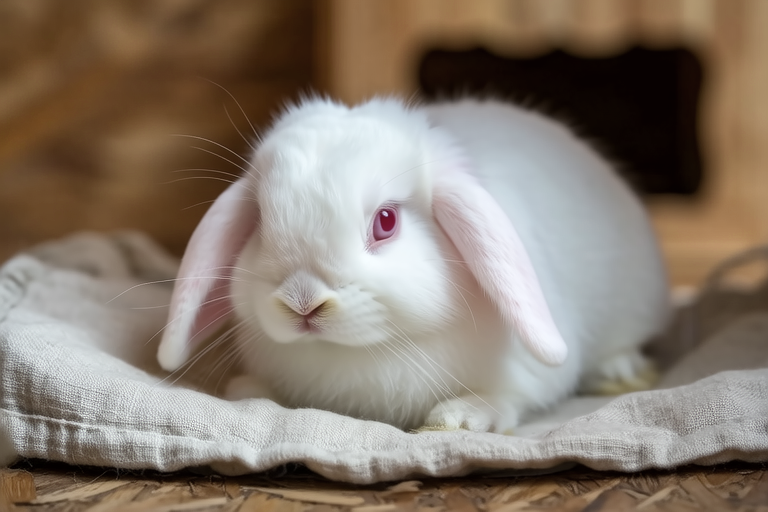
Adorable Dutch Dwarf Rabbit: The Tiny Fluffball That Steals Hearts
Imagine a creature so small it could fit snugly in the palm of your hand, yet so full of personality it steals your heart with just one twitch of its nose. Meet the Dutch Dwarf Rabbit — a pocket-sized marvel of nature that’s equal parts adorable, endearing, and utterly unforgettable. With their plump little bodies, oversized floppy ears, and striking face mask that looks like a tiny raccoon stole the spotlight, these rabbits are more than just pets; they’re living bundles of joy that bring warmth and laughter into any home.
Whether you’re a seasoned animal lover or a first-time pet parent looking for a gentle companion, the Dutch Dwarf Rabbit might just be the perfect match. They’re not just cute — they’re clever, affectionate, and endlessly entertaining. But beyond their irresistible appearance lies a rich tapestry of charm, character, and care that makes them truly special. Let’s dive into what makes this tiny fluffball such a cherished family member in homes around the world.
The Look That Captivates: A Masterpiece of Nature
When you first lay eyes on a Dutch Dwarf Rabbit, it’s hard not to gasp — not out of surprise, but pure delight. These bunnies typically weigh between 1.5 to 3 pounds (about 0.7 to 1.4 kilograms), making them one of the smallest rabbit breeds. Their compact size means they’re easy to hold, cuddle, and transport, which is especially great for families with children or those who live in smaller spaces.
But it’s their face that truly sets them apart. The hallmark feature of the Dutch Dwarf is the bold, contrasting color pattern known as the “Dutch marking.” This distinctive design features a dark mask — usually black or brown — that sweeps across the forehead, over the eyes, and down to the nose, creating a striking silhouette that resembles a miniature pirate or a dapper gentleman in a top hat. The rest of their body is typically a soft, solid color — think pastel pink, creamy white, light gray, or even deep chocolate — with a clean, symmetrical line separating the colored mask from the rest of the fur.
And then there are those ears — long, lop-sided, and perpetually flopped forward like delicate velvet curtains. These floppy ears aren’t just for show; they help the rabbit detect subtle sounds, giving them an edge in staying alert and curious about their surroundings. When they perk up, you can see the soft, dense fur ripple gently, adding to their ethereal charm.
Every strand of their coat feels like a cloud brushed against your skin. Their fur is short, plush, and incredibly soft — thick enough to keep them warm, yet light enough to make them feel like walking pillows. Whether they’re lounging in a sunbeam or hopping around with playful energy, their fur always seems to catch the light, glowing like spun silk.
Temperament: Gentle, Curious, and Full of Spirit
Beneath that fluffy exterior beats a heart full of curiosity and kindness. Dutch Dwarf Rabbits are naturally gentle and calm, often displaying a quiet confidence that makes them ideal companions for people of all ages. They’re not loud or aggressive — instead, they communicate through soft thumps, gentle nudges, and expressive ear movements.
These bunnies are social creatures at heart. They thrive on interaction and love nothing more than being part of the family. You’ll often find them following you from room to room, eager to join in on whatever you’re doing. If you’re reading, they might hop onto your lap. If you’re cooking, they’ll stand by the kitchen counter, watching with wide, unblinking eyes — almost as if they’re judging your recipe choices!
Despite their small stature, Dutch Dwarfs are surprisingly playful. They love exploring tunnels, chasing toys, and digging in safe corners of their enclosure. Watching them bounce around like tiny furry acrobats is guaranteed to bring a smile to your face. And when they’re feeling extra cheeky, they might perform a “binky” — a joyful leap into the air with a twist — proving that happiness comes in the smallest packages.
They’re also intelligent and quick learners. Many Dutch Dwarfs can be trained to respond to their names, use a litter box, or even come when called. With patience and positive reinforcement, you might even teach them simple tricks — like high-fiving or sitting on command.
What It Takes to Keep Your Dutch Dwarf Happy and Healthy
While these bunnies may seem delicate, they’re actually quite resilient with proper care. However, keeping them happy requires attention to a few key areas: diet, housing, grooming, and daily engagement.
Feeding the Little Fluffball: A Balanced Diet
Just like humans, Dutch Dwarfs need a nutritious, balanced diet to stay healthy and energetic. The foundation of their meals should be unlimited access to fresh, high-quality hay — preferably timothy or orchard grass. Hay promotes healthy digestion, helps wear down their continuously growing teeth, and keeps them mentally stimulated as they nibble throughout the day.
In addition to hay, offer a variety of fresh vegetables every day. Leafy greens like romaine lettuce, kale, cilantro, and parsley are excellent choices. Introduce new veggies slowly to avoid tummy troubles. Avoid iceberg lettuce, as it has little nutritional value and can cause diarrhea.
Pellets should be given in moderation — no more than a tablespoon per pound of body weight daily. Choose a high-fiber, low-sugar brand formulated specifically for dwarf rabbits. Treats like dried fruit or commercial bunny snacks should be rare indulgences, not regular fare.
Housing: A Safe, Spacious Home
A Dutch Dwarf Rabbit deserves a home that’s both cozy and spacious. While they can live indoors, they need a secure, rabbit-proofed area — ideally a large cage or a designated playpen. The enclosure should be at least four times the size of the rabbit’s body to allow for movement and exercise.
Use solid-bottom cages with plenty of bedding — natural materials like paper-based or wood shavings work well. Avoid wire floors, which can injure their delicate feet. Include hiding spots, chew toys, and tunnels to encourage exploration and mental stimulation.
If possible, let your rabbit spend time outside their enclosure daily in a rabbit-safe zone. Supervise closely, and ensure the area is free from hazards like electrical cords, toxic plants, or small openings where they might squeeze through.
Grooming: Keeping That Fluffy Coat in Top Shape
Although their fur is short, Dutch Dwarfs still benefit from weekly grooming. Use a soft-bristle brush to remove loose hair and prevent matting, especially during shedding seasons. Regular brushing also strengthens your bond and gives you a chance to check for signs of illness, such as lumps, rashes, or matted fur.
Trim their nails monthly — you’ll know it’s time when they start clicking on hard surfaces. Be gentle and use small animal nail clippers. If you’re unsure, ask your vet to demonstrate.
Daily Interaction: The Heart of Rabbit Care
Perhaps the most important part of caring for a Dutch Dwarf isn’t just physical — it’s emotional. These rabbits crave connection. Spend at least 15–30 minutes each day playing, talking, or simply sitting with them. They’ll learn to trust you, recognize your voice, and look forward to your presence.
Provide enrichment items like cardboard boxes, treat balls, or puzzle feeders to keep their minds sharp. Rotate toys regularly to maintain interest. Remember, boredom can lead to destructive behaviors like chewing on furniture or pulling out fur.
Clearing Up Common Myths
There are a few misconceptions about Dutch Dwarf Rabbits that can deter potential owners. Let’s set the record straight:
- Myth: They’re too fragile to handle.
Reality: While they are small, Dutch Dwarfs are sturdy and resilient when cared for properly. Handle them gently, supporting their back and hindquarters, and never lift them by the ears or scruff. With love and respect, they’ll thrive. - Myth: They’re high-maintenance pets.
Reality: Compared to other pets, Dutch Dwarfs are relatively low-maintenance. Daily interaction and basic care are essential, but they don’t require walks, grooming routines, or complex training like dogs or cats. - Myth: They don’t live long.
Reality: With proper care, Dutch Dwarfs can live 8 to 12 years — sometimes even longer! That’s nearly a decade of companionship, laughter, and endless cuteness.
A Lifelong Companion: Love That Lasts
When you welcome a Dutch Dwarf Rabbit into your life, you’re not just getting a pet — you’re gaining a loyal friend. These tiny fluffballs form deep bonds with their humans. They remember your scent, respond to your tone, and will nudge your hand for attention or snuggle close when you’re feeling down.
They have a way of turning ordinary moments into magical ones. The quiet afternoon when they nap curled up beside you, the moment they hop into your lap after a long day, or the delighted squeak they make when you pull out their favorite treat — these are the memories that stay with you long after the rabbit has hopped away.
And let’s not forget their role in teaching us patience, responsibility, and compassion. Watching a Dutch Dwarf grow, explore, and express their unique personality reminds us to slow down, appreciate the small things, and find joy in simplicity.
Final Thoughts: More Than Just a Pet
The Dutch Dwarf Rabbit is more than just a cute face with floppy ears. They are tiny ambassadors of joy, resilience, and unconditional love. In a world that often moves too fast, they remind us to pause, breathe, and savor the present moment — one gentle hop at a time.
Whether you’re drawn to their striking markings, their playful antics, or their quiet devotion, one thing is certain: once you’ve met a Dutch Dwarf Rabbit, you’ll never look at a rabbit the same way again. They may be small in size, but their impact on your heart? That’s immeasurable.
So if you’re ready for a companion who brings laughter, comfort, and endless charm into your home — consider opening your heart to a Dutch Dwarf Rabbit. You won’t just gain a pet. You’ll gain a lifelong friend, a tiny bundle of fluff with a big heart, and a reminder that sometimes, the smallest creatures carry the biggest love.
After all, how many times can you say you’ve been stolen by a rabbit?
