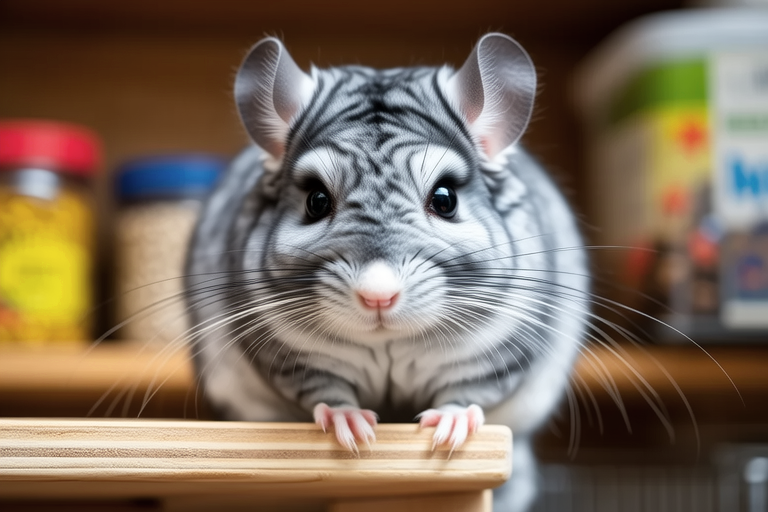
Why Are Chinchillas So Expensive? Behind the High Cost
Chinchillas have gained immense popularity as exotic pets due to their soft, plush fur and charming personalities. However, their appeal comes at a significant cost, making them one of the most expensive pets in the market. This article delves into the reasons behind the high price tag of chinchillas, exploring various factors that contribute to their expense.
The Popularity of Chinchillas as Exotic Pets
Chinchillas are native to the Andes Mountains in South America and have been cherished for centuries for their luxurious fur. Today, they are sought after as pets for their unique appearance and gentle nature. Their large, round ears and expressive eyes make them endearing to many animal lovers. However, owning a chinchilla requires more than just a willingness to spend money; it demands a deep understanding of their specific needs and a commitment to providing them with the best possible care.
Unique Dietary Needs
One of the primary reasons for the high cost of chinchillas is their specialized diet. Chinchillas are herbivores and require a diet rich in hay, pellets, and fresh water. Their digestive systems are highly sensitive, and improper nutrition can lead to serious health issues. Owners must provide high-quality hay and specially formulated chinchilla pellets to ensure their pets receive all necessary nutrients. Additionally, chinchillas need a constant supply of gnawing material to keep their teeth trimmed, which adds to the ongoing costs of ownership.
Specialized Habitat Requirements
Chinchillas are native to the high altitudes of the Andes, where they thrive in cool, dry environments. As pets, they require similar conditions, which necessitates the creation of a specialized habitat. A well-ventilated cage with plenty of space for climbing and playing is essential. The cage must be equipped with appropriate bedding, toys, and hiding spots to mimic their natural environment. Maintaining optimal temperature and humidity levels within the cage can also be challenging and may require additional equipment, further increasing the cost of ownership.
Rarity of the Breed
Another factor contributing to the high cost of chinchillas is their rarity. Due to strict regulations on the import and export of wild chinchillas, the majority of pet chinchillas are bred domestically. However, breeding chinchillas is a complex process that requires careful attention to genetics and health. Responsible breeders take great care to ensure the health and well-being of their animals, which drives up the cost of acquiring a chinchilla. Additionally, certain color variations are rarer and more sought after, further inflating prices.
Breeding Complexities
Breeding chinchillas is a delicate and time-consuming process. Female chinchillas only come into estrus once a year, and successful mating is not guaranteed. Even when pregnancy occurs, there is a high risk of complications, including stillbirths and neonatal deaths. To mitigate these risks, breeders must invest in advanced breeding techniques, veterinary care, and specialized facilities. These efforts significantly increase the cost of producing healthy chinchilla offspring, which is then passed on to the consumer.
Ethical Considerations in Sourcing Chinchillas
When considering the purchase of a chinchilla, it is crucial to think about the ethical implications of sourcing. Many chinchillas sold as pets are bred in captivity, but some may be sourced from illegal wildlife trade networks. It is essential to choose reputable breeders who adhere to ethical standards and prioritize the welfare of their animals. Prospective owners should inquire about the breeder’s practices and certifications to ensure they are supporting responsible breeding practices.
Veterinary Care and Additional Costs
Chinchillas require regular veterinary care to maintain their health and prevent potential issues. Veterinarians specializing in exotic pets can provide valuable insights into the specific needs of chinchillas. Dr. Sarah Thompson, a veterinarian with extensive experience in small animal care, emphasizes the importance of preventive healthcare for chinchillas. “Regular check-ups, vaccinations, and dental care are vital,” she says. “Owners should also be prepared for unexpected emergencies, which can be costly.” Grooming needs are another aspect to consider. Chinchillas need frequent dust baths to maintain their fur, and owners must provide the right type of dust. Proper grooming helps prevent skin issues and keeps the chinchilla’s coat healthy.
Potential Health Issues
Despite their generally robust health, chinchillas are prone to certain ailments. Dental problems are common, as their teeth grow continuously throughout their lives. Without proper care, teeth can become overgrown, leading to difficulties eating and other health issues. Respiratory infections are another concern, especially if the living environment is not properly maintained. Regular vet visits and adherence to a healthy diet can help minimize these risks, but they also add to the overall cost of ownership.
Advice for Potential Owners
Owning a chinchilla is a significant financial and emotional commitment. Before bringing one home, it is essential to research thoroughly and prepare adequately. First-time owners should consider adopting rather than purchasing from a breeder, as adoption fees are typically lower and often support animal rescue organizations. Regardless of the source, potential owners should ensure they can provide a safe, stimulating environment and commit to regular veterinary care. By doing so, they can enjoy the companionship of these delightful creatures while ensuring their well-being.
In conclusion, the high cost of chinchillas reflects the complexity and responsibility involved in their care. From their unique dietary needs and specialized habitat requirements to the ethical considerations in sourcing, each aspect contributes to the overall expense. By understanding these factors and preparing accordingly, prospective owners can make informed decisions and provide their chinchillas with the best possible life.
