How to Care for Your Mini Pig Like a Pro: Expert Tips Revealed
Diet and Nutrition
Feeding your mini pig properly is crucial for its overall health and well-being. Mini pigs require a balanced diet that includes a variety of vegetables, fruits, grains, and proteins. It’s important to avoid overfeeding, as obesity can lead to serious health issues.
Commercial pig feeds are available and formulated specifically for mini pigs. These feeds provide essential nutrients and vitamins necessary for growth and maintenance. However, it’s advisable to consult with a veterinarian or animal nutritionist to ensure the feed meets your mini pig’s specific dietary needs.
Supplementing their diet with fresh vegetables such as carrots, broccoli, and spinach can add variety and essential nutrients. Avoid feeding them foods high in sugar or fat, such as avocados, nuts, or chocolate, as these can be harmful.
Exercise Needs
Mini pigs are naturally active animals and require regular physical activity to maintain a healthy weight and prevent boredom. Providing a stimulating environment with toys and puzzles can encourage exploration and mental stimulation.
Outdoor playtime is beneficial, but always supervise your mini pig to ensure its safety. A secure, enclosed area is ideal for allowing the pig to explore and engage in natural behaviors. Additionally, walking your mini pig on a leash can be a fun and bonding experience.
Regular exercise also helps in maintaining muscle tone and preventing joint problems. Aim for at least 30 minutes of moderate activity daily, which could include running, playing fetch, or obstacle courses designed for small pets.
Grooming Tips
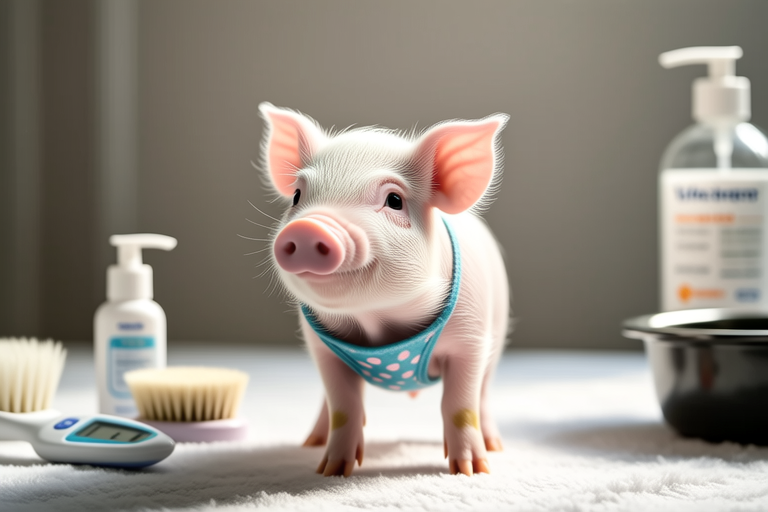
Proper grooming is essential for keeping your mini pig clean and comfortable. Regular brushing helps remove loose hair and prevents matting. Use a soft-bristle brush to gently brush your pig’s coat, paying extra attention to areas prone to tangles.
Bathing your mini pig is generally unnecessary unless they get particularly dirty. Over-bathing can strip the skin of natural oils, leading to dryness and irritation. If bathing is required, use a mild shampoo specifically formulated for pigs or dogs.
Cleaning your mini pig’s ears, nails, and teeth is also part of good grooming practices. Check their ears regularly for signs of infection or wax buildup. Trim their nails when needed to prevent overgrowth and discomfort. Brushing their teeth with a pet-safe toothpaste can help maintain oral hygiene.
Housing Requirements
Mini pigs need a safe, comfortable living space that provides protection from the elements and plenty of room to move around. The size of the enclosure should be proportional to the pig’s size and activity level. A shelter with a solid floor, proper ventilation, and adequate bedding material is essential.
The temperature inside the shelter should be maintained within a comfortable range, especially during extreme weather conditions. Insulation can help regulate the temperature, ensuring your mini pig stays warm in winter and cool in summer.
Provide enrichment by including items like tunnels, hammocks, or platforms. This encourages exploration and mental stimulation, which is vital for a happy and healthy pig. Regular cleaning of the enclosure is necessary to maintain hygiene and prevent the spread of diseases.
Behavioral Training
Training your mini pig can enhance your relationship and make daily interactions more enjoyable. Positive reinforcement techniques, such as treats and praise, are effective in teaching basic commands and good manners.
Start with simple commands like ‘sit’ or ‘stay.’ Reward your pig with a treat each time it successfully performs the desired behavior. Consistency is key; use the same command word and reward system every time.
Teaching your pig to walk on a leash requires patience and gradual introduction. Start by getting your pig used to wearing a harness, then gradually introduce the leash and practice walking in short, controlled sessions. This not only provides exercise but also strengthens the bond between you and your pet.
Health Care Essentials
Regular veterinary check-ups are crucial for monitoring your mini pig’s health and addressing any potential issues early. Vaccinations, parasite control, and dental care are important aspects of preventive healthcare.
Signs of illness in mini pigs can include changes in appetite, lethargy, diarrhea, or respiratory symptoms. If you notice any of these signs, contact your veterinarian immediately. Early intervention can often prevent minor issues from becoming serious health concerns.
Maintaining a clean living environment and providing a balanced diet are foundational to good health. Additionally, regular exercise and mental stimulation contribute to overall well-being. Keeping your mini pig’s living space clean and free from hazards reduces the risk of accidents and infections.
Common Myths About Mini Pigs Debunked
There are several misconceptions about mini pigs that can lead to misunderstandings about their care and needs. One common myth is that mini pigs don’t need much space. In reality, they are intelligent and active animals that require ample room to roam and explore.
Another myth is that mini pigs are easy to potty train. While some pigs may learn to use a litter box, this is not guaranteed and requires consistent effort and positive reinforcement. Patience and consistency are key in training your pig.
Lastly, many people believe that mini pigs are low-maintenance pets. In truth, they require significant time and attention to thrive. Proper care involves regular grooming, exercise, and mental stimulation. Understanding these needs can help ensure a rewarding and fulfilling relationship with your mini pig.
