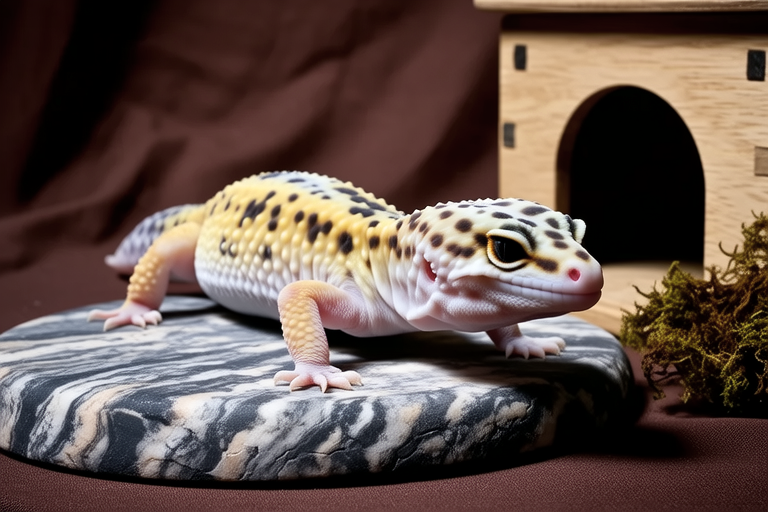
The Ultimate Guide: How to Care for Your Leopard Gecko
Leopard geckos are popular pets due to their relatively low maintenance and friendly demeanor. This guide will provide you with everything you need to know about caring for your leopard gecko, from setting up the perfect habitat to understanding their dietary needs and healthcare.
Choosing the Right Enclosure
Selecting an appropriate enclosure is crucial for your leopard gecko’s well-being. A 10-gallon tank is sufficient for one adult leopard gecko, but a larger tank (20 gallons or more) is recommended if housing multiple geckos. Ensure that the enclosure has a secure lid to prevent escapes. Glass tanks are preferred over plastic ones because they allow better heat distribution and visibility.
Habitat Setup
Your leopard gecko requires a warm side (85-90°F) and a cool side (75-80°F). Use a digital thermometer and thermostat to monitor temperatures accurately. Place a heat mat or under-tank heater on one side of the enclosure to create this gradient. Avoid using hot rocks as they can cause burns. Additionally, provide hiding spots, such as caves or cork bark, to mimic their natural environment.
Temperature and Humidity Requirements
Maintain humidity levels between 30% and 40%. Leopard geckos absorb moisture through their skin, so too much humidity can lead to respiratory issues. Conversely, excessively dry conditions may cause shedding problems. Mist the enclosure lightly once or twice a week to maintain proper humidity.
Diet and Feeding Schedules
Leopard geckos are insectivores and require a varied diet to thrive. Offer crickets, mealworms, dubia roaches, and waxworms. Dust these insects with calcium and vitamin D3 supplements before feeding them to your gecko. Feed hatchlings daily, juveniles three times per week, and adults twice weekly. Remove any uneaten prey after 15 minutes to prevent potential harm.
Healthcare Tips
Regular vet check-ups are essential for maintaining your leopard gecko’s health. Look out for signs of illness, such as lethargy, weight loss, or abnormal behavior. Keep the enclosure clean by spot-cleaning daily and performing a thorough cleaning every two weeks. Quarantine new additions to your collection for at least four weeks to prevent the spread of diseases.
Handling Advice
Handle your leopard gecko gently, supporting its body fully. Avoid picking it up by its tail, as this can cause injury. Leopard geckos typically tolerate handling well, but some individuals may be more skittish. Allow your gecko time to acclimate to its new home before frequent handling.
Common Mistakes to Avoid
- Overfeeding can lead to obesity and related health issues.
- Improper substrate can cause impaction or ingestion hazards.
- Incorrect temperature gradients can result in stress or illness.
- Inadequate supplementation can lead to metabolic bone disease.
Substrate Options
Choose a safe substrate that mimics their natural environment. Reptile carpet, paper towels, or reptile-safe sand (such as calcium sand) are suitable choices. Avoid substrates like walnut shells, corn cob, and gravel, which can cause impaction or digestive issues.
Appropriate Lighting
Leopard geckos are nocturnal creatures and do not require UVB lighting. However, providing a low-wattage red bulb or ceramic heat emitter can help maintain nighttime temperatures and facilitate observation without disturbing your gecko’s sleep cycle.
Enrichment Activities
Provide mental stimulation through various toys and accessories. Include climbing structures, tunnels, and hides to encourage exploration. Rotate these items periodically to keep your gecko engaged and entertained.
Practical Caring Advice
Monitor your gecko’s weight regularly using a digital scale. Weigh it weekly and consult a veterinarian if there are significant fluctuations. Keep track of feeding patterns and note any changes in appetite. Regularly inspect your gecko’s skin for signs of shedding difficulties, especially around the toes and tail tip.
Frequently Asked Questions
Q: Can I house multiple leopard geckos together?
A: While some owners successfully keep multiple geckos together, it is generally recommended to house each gecko individually to prevent stress and competition over resources.
Q: What should I do if my gecko refuses food?
A: If your gecko consistently refuses food, consult a veterinarian immediately. Potential causes include stress, illness, or improper environmental conditions.
Q: How often should I clean the enclosure?
A: Spot-clean daily and perform a thorough cleaning every two weeks. This includes replacing substrate, disinfecting surfaces, and ensuring all equipment functions correctly.
How to Identify and Handle Health Problems
Observe your gecko closely for any unusual behaviors or physical changes. Common health issues include metabolic bone disease, respiratory infections, and parasites. Seek veterinary assistance promptly if you notice symptoms such as wheezing, lethargy, or difficulty moving.
