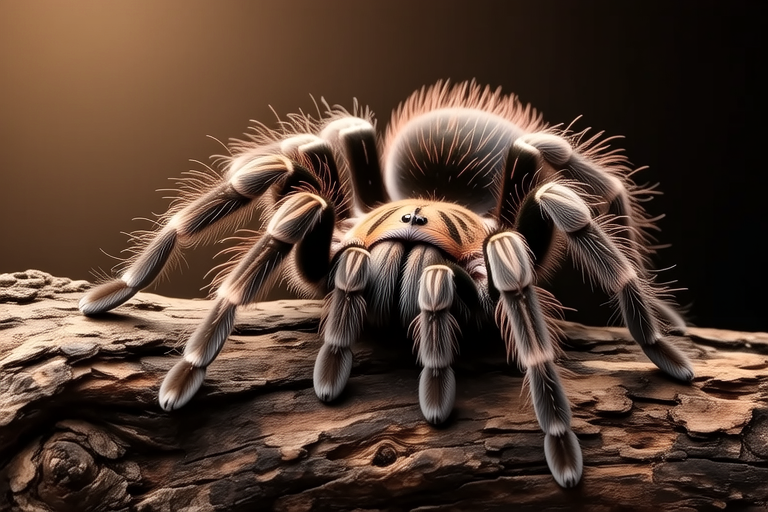
The Ultimate Guide to Choosing the Perfect Tarantula as a Pet
Welcome to the world of tarantulas! These fascinating arachnids have become increasingly popular as exotic pets due to their unique appearance and relatively low maintenance compared to other pets. Before diving into the specifics of selecting your perfect tarantula, it’s essential to understand what makes them such captivating companions.
Introduction to Tarantulas as Pets
Tarantulas belong to the family Theraphosidae and are known for their large size, hairy bodies, and sometimes intimidating appearance. Despite their fearsome reputation, many species are docile and make excellent pets. They require minimal space and attention, making them ideal for apartment dwellers or those who want a pet that doesn’t demand constant interaction. However, owning a tarantula comes with specific responsibilities, including providing appropriate living conditions and understanding their dietary needs.
Factors to Consider When Choosing a Tarantula
Size
One of the first things you should consider is the size of the tarantula. Some species can grow quite large, while others remain small throughout their lives. Larger tarantulas might be more impressive but also require bigger enclosures and possibly more food. Conversely, smaller species may be easier to handle and maintain.
Temperament
Not all tarantulas are created equal when it comes to temperament. Some species are known for being calm and docile, making them great choices for beginners. Others can be more skittish or aggressive, which could lead to stress for both you and your pet. Researching different species will help you choose one that fits your comfort level.
Care Requirements
Understanding the care requirements of various tarantula species is crucial before bringing one home. Factors such as enclosure size, temperature, humidity levels, and diet vary between species. It’s important to select a tarantula whose needs align with your ability to provide proper care.
Popular Species Suitable for Beginners and Experienced Owners
Beginner-Friendly Species
- Brown Recluse: Known for its calm demeanor and ease of care, this species is perfect for novice tarantula enthusiasts.
- Chaco Golden Knee: This robust spider is easy to care for and has a pleasant personality.
- Red Rump: Another beginner-friendly option with a docile nature and straightforward care requirements.
Species for Experienced Owners
- Burmese Black: While beautiful, this species requires more advanced knowledge about tarantula care.
- Greenbottle Blue: A stunning species with vibrant colors, but it demands precise environmental conditions.
- Goliath Birdeater: The largest tarantula species, requiring extensive experience and larger enclosures.
Housing Needs
Enclosure Size
The size of the enclosure depends on the species’ adult size and activity level. Generally, a good rule of thumb is to provide at least three times the legspan of the tarantula in width and depth. Height isn’t as critical unless the species climbs frequently.
Substrate
A suitable substrate helps maintain humidity levels within the enclosure. Common substrates include coconut fiber, peat moss, and vermiculite. Ensure the substrate remains moist enough to prevent desiccation but not so wet that mold develops.
Temperature and Humidity
Maintaining optimal temperature and humidity levels is vital for your tarantula’s health. Most species thrive in temperatures ranging from 75°F to 85°F (24°C to 29°C) and humidity levels between 60% and 80%. Use thermometers and hygrometers to monitor these conditions accurately.
Diet and Feeding Habits
Tarantulas are carnivorous and primarily feed on insects like crickets, mealworms, and dubia roaches. Feed juveniles every few days, while adults can be fed once a week. Always gut-load feeder insects with nutritious foods before offering them to your tarantula to ensure they receive adequate nutrients.
Handling Tips
While tarantulas can be handled, it’s essential to approach them carefully. Start by allowing them to acclimate to your presence over several weeks. When handling, gently place your hand in front of the tarantula and let it walk onto your palm. Avoid sudden movements or excessive handling, as this can cause stress.
Health Concerns
Common health issues in tarantulas include dehydration, mites, and molting complications. Regularly check for signs of illness, such as lethargy, loss of appetite, or abnormal behavior. If you notice any concerning symptoms, consult a veterinarian specializing in exotic animals.
How to Find a Reputable Breeder or Supplier
When purchasing a tarantula, it’s crucial to work with reputable breeders or suppliers who prioritize animal welfare. Look for sellers who provide detailed information about each spider’s origin, age, and care history. Avoid buying from sources that mass-produce or mistreat animals.
Practical Advice and Considerations for Long-Term Care
Owning a tarantula is a long-term commitment that requires ongoing attention to their physical and emotional well-being. Regularly clean the enclosure, monitor environmental conditions, and adjust care practices as your tarantula grows. Additionally, stay informed about advancements in tarantula care through books, online forums, and local hobbyist groups.
In conclusion, choosing the perfect tarantula involves careful consideration of several factors, including size, temperament, care requirements, and compatibility with your lifestyle. By researching thoroughly and preparing adequately, you’ll be able to provide a loving home for your new arachnid companion.
