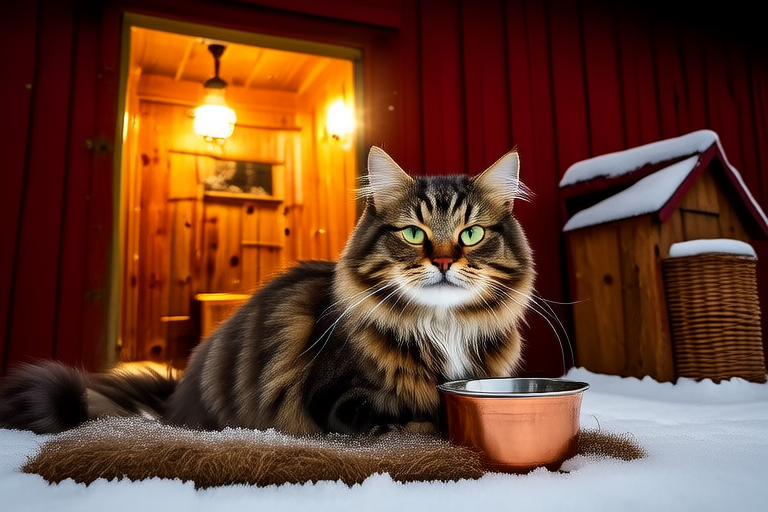
Pet Care Practices in Norway: Historical Roots, Cultural Significance, and Modern Adaptations
Exploring the historical roots and cultural significance of pet care practices in Norway reveals a rich tapestry of traditions that have evolved over time. This article delves into traditional methods of pet care, including diet, housing, and health care, and examines how these traditions have adapted to modern lifestyles while retaining their cultural uniqueness. It also introduces unique Norwegian pet breeds and their roles within communities, as well as the influence of these traditions on global pet care.
Historical Roots and Traditional Methods
The practice of keeping pets in Norway has deep historical roots. Historically, dogs were primarily used for hunting, herding, and guarding, while cats were valued for their ability to control rodent populations. Traditional diets for pets were simple and consisted mainly of raw meat, fish, and bones. Pet owners would often supplement their animals’ diets with scraps from their own meals, ensuring that pets received a balanced diet rich in nutrients.
Traditional housing for pets was closely tied to the family home. Dogs and cats were often allowed to roam freely within the house, sleeping in designated areas such as doghouses or under beds. These living arrangements reflected the close bond between humans and their pets, as well as the practicality of having animals nearby for protection and companionship. Health care for pets was limited by the lack of veterinary knowledge and resources, but owners relied on natural remedies and folk wisdom to treat minor ailments.
Adaptation to Modern Lifestyles
In recent years, pet care practices in Norway have undergone significant changes due to the country’s rapid urbanization and technological advancements. Despite these changes, many traditional methods remain an integral part of Norwegian pet culture. For example, the emphasis on providing pets with a nutritious diet has led to the widespread adoption of high-quality commercial pet foods, which often include ingredients similar to those found in traditional diets.
Modern pet owners in Norway place a strong emphasis on creating comfortable and stimulating environments for their pets. Many homes now feature dedicated pet rooms or play areas equipped with toys, scratching posts, and other amenities designed to promote physical activity and mental stimulation. While some pets still enjoy outdoor access, many live primarily indoors, where they can be easily monitored and cared for. This shift reflects the growing importance of pets as members of the family rather than just working animals.
Health care for pets has also improved significantly, with the establishment of specialized veterinary clinics and hospitals across the country. Pet owners now have access to a wide range of medical treatments, including vaccinations, surgeries, and advanced diagnostic techniques. However, traditional remedies and holistic approaches continue to play a role in pet care, particularly among older generations who value their ancestors’ wisdom.
Unique Norwegian Pet Breeds and Their Roles
Norway is home to several unique pet breeds that have played important roles in its history and culture. The Norwegian Elkhound, for instance, is a versatile breed known for its intelligence, loyalty, and strength. Originally bred for hunting large game such as elk and bear, this breed has since become a popular companion animal in Norway and around the world. Its distinctive gray coat and friendly demeanor make it a beloved member of many Norwegian households.
The Lundehund, another rare Norwegian breed, is famous for its remarkable flexibility and agility. With extra joints in its ankles and toes, this breed is capable of performing acrobatic feats that are unmatched by any other dog. The Lundehund was originally bred for retrieving puffin birds from cliffs, but today it is cherished as a loyal and affectionate companion. Due to its small population and genetic predisposition to certain health issues, the Lundehund remains a rare and valuable breed.
These unique Norwegian breeds contribute to the country’s rich pet culture and help preserve its historical heritage. They serve as ambassadors for Norwegian pet care traditions and inspire admiration and respect both at home and abroad. In addition to their roles as companions and working animals, these breeds also play important social and economic roles within their communities.
Influence on Global Pet Care
The pet care practices in Norway offer valuable insights and lessons for pet owners worldwide. The emphasis on providing pets with a balanced diet, comfortable living spaces, and regular health care has contributed to the overall well-being of animals in Norway. By prioritizing the needs of their pets, Norwegians have set a high standard for responsible pet ownership that can be emulated elsewhere.
The integration of traditional and modern pet care methods in Norway demonstrates the importance of balancing innovation with cultural heritage. This approach ensures that pets receive the best possible care while preserving the unique aspects of local pet cultures. As the global pet care industry continues to grow and evolve, it is essential to consider the diverse perspectives and experiences of pet owners from different regions and backgrounds.
Moreover, the success of Norwegian pet breeds highlights the importance of maintaining genetic diversity within dog populations. By promoting the breeding and adoption of rare and endangered breeds, we can help ensure the survival of these unique animals and prevent the loss of valuable traits and characteristics. This, in turn, enriches the global gene pool and contributes to the overall health and vitality of our canine companions.
In conclusion, the pet care practices in Norway offer a fascinating glimpse into the country’s rich history and culture. By examining traditional methods of pet care and their adaptation to modern lifestyles, we gain a deeper understanding of the importance of responsible pet ownership and the value of preserving cultural heritage. Furthermore, the unique Norwegian pet breeds and their roles within communities provide valuable lessons for pet owners worldwide. As we continue to explore and learn from the diverse pet care traditions of different countries, we can work together to create a brighter future for all animals.
