Rescuing and Rehabilitating: How to Help Injured Three-Striped Box Turtles Thrive
The three-striped box turtle (Trachemys scripta triunguis) is a captivating reptile native to North America, known for its distinctive three yellow stripes running down its dark shell. These turtles are not only visually striking but also play a crucial role in their ecosystems. Understanding their unique characteristics is essential for anyone interested in rescuing and rehabilitating these creatures.
Unique Characteristics of Three-Striped Box Turtles
Three-striped box turtles have a hinged plastron, allowing them to completely close their shell when threatened, providing excellent protection against predators. They are primarily herbivorous, feeding on fruits, vegetables, and some insects. Their lifespan can exceed 40 years, making them a long-term commitment for those who choose to adopt or rehabilitate them.
Common Injuries and the Need for Rescue
In the wild, three-striped box turtles often face various threats leading to injuries. Road accidents are one of the most frequent causes of injury, as these turtles may wander onto roads in search of food or mates. Additionally, encounters with domestic animals, such as dogs and cats, can result in severe injuries. Habitat destruction and pollution also pose significant risks, affecting their overall health and well-being.
Rescue efforts are critical to ensure these turtles receive timely medical attention and a chance at survival. Without intervention, many injured turtles would likely succumb to their injuries or suffer from prolonged pain and distress.
Safely Transporting an Injured Turtle
When you find an injured three-striped box turtle, it’s important to handle it carefully to avoid further harm. Follow these steps to safely transport the turtle to a rehabilitation center or veterinarian:
- Wear gloves: Protect yourself from bacteria and parasites that could be present on the turtle.
- Use a secure container: Place the turtle in a ventilated, sturdy box lined with soft material like a towel. Ensure the box has adequate ventilation to prevent suffocation.
- Handle gently: Lift the turtle by supporting its body, avoiding lifting by the legs, tail, or head. This minimizes stress and prevents additional injury.
- Avoid direct sunlight: Keep the turtle in a shaded area during transportation to prevent overheating.
- Seek immediate help: Contact local wildlife rehabilitators or veterinarians specializing in reptiles for assistance.
Proper Rehabilitation Techniques
Once the turtle arrives at a rehabilitation facility, several key steps must be taken to ensure successful recovery.
Wound Care
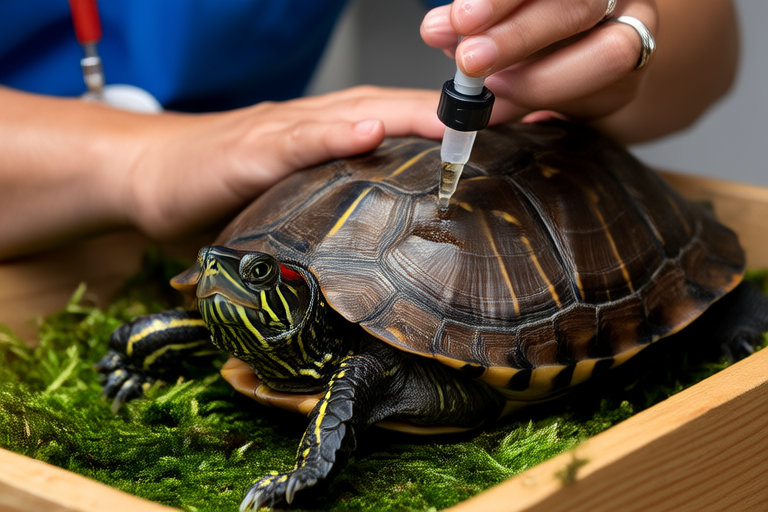
Wounds should be cleaned thoroughly under running water, followed by gentle washing with a mild antiseptic solution. Any debris or foreign objects should be removed carefully. Depending on the severity of the injury, antibiotics may be prescribed to prevent infection. Regular cleaning and monitoring of wounds are essential until they fully heal.
Nutrition
Adequate nutrition is vital for recovery. A balanced diet consisting of leafy greens, fruits, and a small amount of protein-rich foods like insects or lean meat should be provided. Ensure that the turtle has access to clean, fresh water at all times. Consult with a veterinarian to determine specific dietary needs based on the turtle’s condition and age.
Habitat Setup
Creating an appropriate habitat is crucial for the turtle’s recovery. The enclosure should mimic natural conditions as closely as possible. Provide a shallow water dish for soaking and drinking, and include hiding spots made from logs or rocks. Maintain a temperature gradient within the enclosure, ensuring one side remains cooler while the other provides a basking area heated to around 85°F (29°C). Proper humidity levels should also be maintained to support skin health.
Releasing Rehabilitated Turtles
After successful rehabilitation, releasing the turtles back into their natural habitats is a rewarding endeavor. It’s important to choose release sites carefully, ensuring they provide suitable living conditions and minimize the risk of re-injury. Release should occur early in the morning or late afternoon to avoid peak heat hours. Gradually acclimate the turtles to outdoor conditions before full release, allowing them to adjust to their new environment.
Preventing Future Injuries and Promoting Community Involvement
To prevent future injuries, it’s crucial to raise awareness about the importance of protecting three-striped box turtles and their habitats. Encourage community members to participate in conservation efforts by volunteering with local wildlife organizations, participating in clean-up events, and advocating for safer road crossings.
Education plays a vital role in fostering compassion towards these creatures. Workshops and informational sessions can help teach people how to identify and respond to injured turtles. By involving the community, we can create a network of supporters dedicated to preserving the well-being of three-striped box turtles.
In conclusion, rescuing and rehabilitating injured three-striped box turtles requires knowledge, dedication, and compassion. By understanding their unique characteristics and following best practices for rescue, transport, and rehabilitation, we can contribute positively to their survival. Together, let’s make a difference in the lives of these remarkable creatures and promote their thriving in their natural habitats.
