The Legendary Turkish Angora: Facts, Myths, and Adorable Fluff
When it comes to regal felines, the Turkish Angora stands out among the crowd. Known for its striking appearance, elegant demeanor, and captivating history, this breed has captured the hearts of cat lovers worldwide. Let’s dive into the fascinating world of the Turkish Angora, uncovering its rich history, physical traits, behavior, and dispelling some common myths.
A Royal Heritage
The Turkish Angora hails from the heart of Asia Minor, specifically from the Ankara region in central Turkey. This breed has been cherished by humans for centuries, with evidence of its presence dating back to ancient times. The Turkish Angora is often associated with legends and myths, making it a subject of fascination for both historians and cat enthusiasts.
Historically, Turkish Angoras were highly valued and even kept as companions to royalty. They were often gifted to foreign dignitaries, further spreading their fame across the globe. Their association with nobility and royalty adds an air of mystique to these elegant creatures, making them more than just pets but symbols of prestige and luxury.
Physical Characteristics
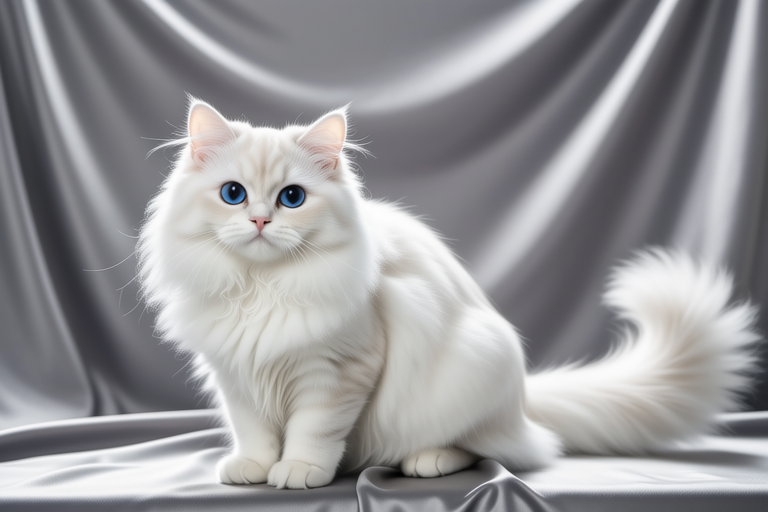
One of the most striking features of the Turkish Angora is its coat. This breed boasts a long, silky coat that can come in a variety of colors and patterns, from solid whites to tabby and bicolor. Their coat is not only beautiful but also remarkably soft, which makes them a joy to pet. Despite their fluffy appearance, they are relatively low-maintenance when it comes to grooming, requiring only weekly brushing to keep their coat healthy and free of tangles.
Another hallmark of the Turkish Angora is its large, expressive eyes, typically a striking shade of blue. However, these eyes can also come in other colors, including green or hazel, depending on the specific genetic makeup of the cat. The contrast between their bright eyes and their luxurious white fur gives them an almost ethereal appearance, contributing to their legendary status.
Behavior and Intelligence
Turkish Angoras are known for their high energy levels and playful nature. These cats are incredibly active, often engaging in playful activities that require mental and physical stimulation. They are intelligent and curious, always exploring their surroundings and finding new ways to entertain themselves. This curiosity can sometimes lead them to get into mischief, so it’s important for owners to provide them with plenty of toys and climbing structures to keep them occupied.
In addition to their playful side, Turkish Angoras are affectionate and loyal companions. They form strong bonds with their human families and enjoy being part of daily activities. While they may not be as demanding as some other breeds, they still seek attention and interaction. They are known to follow their owners around the house, often sitting close by or curling up next to them on the couch. This combination of playfulness and affection makes them ideal companions for those who want a cat that is both entertaining and loving.
Common Myths About Turkish Angoras
Despite their popularity, there are several myths surrounding the Turkish Angora that need to be addressed. One common misconception is that all Turkish Angoras have blue eyes. While blue eyes are a distinctive feature of many Turkish Angoras, particularly those with white coats, it is not true for all of them. Other eye colors, such as green or hazel, are also possible.
Another myth is that Turkish Angoras are difficult to train. While they are independent and have a mind of their own, they are not impossible to train. With patience and positive reinforcement, you can teach your Turkish Angora basic commands and tricks. They are quick learners and enjoy the challenge of learning new things, which makes training sessions both fun and rewarding for both owner and cat.
Health and Care Requirements
Like any other breed, Turkish Angoras have specific health and care requirements. Regular veterinary check-ups are essential to ensure their overall well-being. They are generally a healthy breed, but like all cats, they are susceptible to certain genetic conditions. One of the most notable conditions is Hypertrophic Cardiomyopathy (HCM), a heart disease that affects some purebred cats. Early detection and management of HCM can significantly improve the quality of life for affected cats.
In terms of diet, Turkish Angoras thrive on a balanced and nutritious diet. High-quality commercial cat food that meets their nutritional needs is usually sufficient. However, it’s always best to consult with a veterinarian to determine the appropriate diet based on the individual cat’s age, weight, and activity level. Additionally, providing fresh water at all times and maintaining a clean litter box are crucial for their hygiene and overall health.
The Unique Charm of Turkish Angoras
The Turkish Angora is a breed that truly stands out due to its unique blend of elegance, intelligence, and affection. Their striking appearance, combined with their playful and loyal nature, makes them a delightful addition to any home. Whether you’re an experienced cat owner or a first-time pet parent, a Turkish Angora can bring immense joy and companionship into your life.
Embracing a Turkish Angora means welcoming a piece of history and legend into your home. These cats carry with them stories of royalty and adventure, and they continue to captivate hearts wherever they go. Their presence brings a sense of warmth and wonder, reminding us of the beauty and mystery that exists in the animal kingdom.
If you’re considering adding a Turkish Angora to your family, take the time to learn about their needs and ensure you’re prepared to provide them with the love and care they deserve. With proper attention and affection, these magnificent cats will reward you with years of loyalty, companionship, and endless moments of joy.
