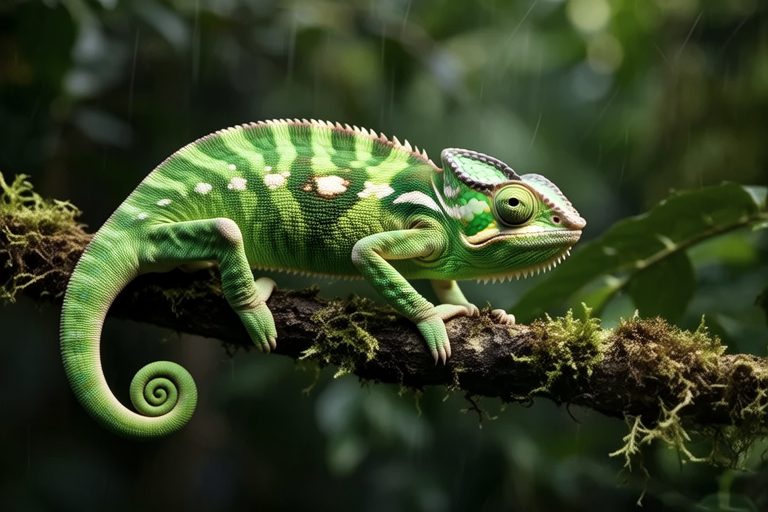
Step-by-Step: Easy Ways to Ensure Your Chameleon Stays Stress-Free
Welcome to this comprehensive guide on keeping your chameleon stress-free. Chameleons are fascinating creatures with unique needs, and understanding these requirements is crucial for their health and well-being. Stress can significantly impact their lifespan and overall quality of life, making it essential to provide them with a safe, comfortable environment. This article will walk you through various steps to ensure your chameleon remains stress-free, covering everything from housing and lighting to diet and veterinary care.
Providing Appropriate Housing
The first step in ensuring your chameleon stays stress-free is to provide an appropriate habitat. Chameleons are arboreal animals, meaning they spend most of their time in trees. Therefore, their enclosure should mimic their natural environment as closely as possible.
- Size: The enclosure should be large enough for your chameleon to move around comfortably. A general rule is to have at least one square foot of space per inch of the chameleon’s length.
- Branches and Plants: Include plenty of sturdy branches for climbing and real or artificial plants for hiding. Ensure that all branches are securely fastened to prevent accidents.
- Background: A textured background helps the chameleon feel secure and provides additional climbing opportunities. Avoid smooth backgrounds like glass, which can cause stress.
Maintaining Optimal Temperature and Lighting
Chameleons require specific temperature and lighting conditions to thrive. These reptiles are ectothermic, meaning they rely on external heat sources to regulate their body temperature.
- Temperature Gradient: Create a temperature gradient within the enclosure by placing a heat lamp on one side. The warm side should reach between 85°F and 95°F (29°C to 35°C), while the cooler side should be around 75°F (24°C).
- UVB Lighting: Provide full-spectrum UVB lighting to help the chameleon synthesize vitamin D3, essential for calcium absorption. Replace bulbs every six months to ensure effectiveness.
- Humidity: Maintain humidity levels between 40% and 60%. Use misters or automatic misting systems to achieve this, ensuring that water droplets are available for drinking.
Ensuring a Healthy Diet
A balanced diet is vital for your chameleon’s physical and mental health. Inadequate nutrition can lead to malnutrition and stress.
- Vegetables and Fruits: Offer a variety of leafy greens, vegetables, and fruits daily. Suitable options include collard greens, mustard greens, squash, and berries. Avoid iceberg lettuce and spinach, as they lack nutrients.
- Insects: Feed your chameleon gut-loaded insects, such as crickets, dubia roaches, and silkworms. Dust the insects with a calcium supplement before feeding.
- Water Intake: Ensure your chameleon has access to clean water. Mist the enclosure regularly and place a shallow water dish in the enclosure.
Minimizing Handling
Chameleons are not social animals and do not enjoy being handled frequently. Overhandling can cause significant stress and even lead to health issues.
- Limit Handling: Handle your chameleon only when necessary, such as during cage cleaning or veterinary visits. Avoid handling for entertainment purposes.
- Gentle Approach: When handling is required, approach slowly and gently. Support the chameleon’s body fully to prevent falls and injuries.
Creating a Calm Environment
Chameleons are sensitive to environmental changes and noise. Creating a calm environment can help reduce stress and promote relaxation.
- Quiet Surroundings: Place the enclosure in a quiet area away from high-traffic zones and loud noises.
- Consistent Routine: Establish a consistent daily routine for feeding, cleaning, and handling. Predictability helps chameleons feel secure.
Regular Veterinary Care
Scheduling regular check-ups with a veterinarian who specializes in reptiles is crucial for maintaining your chameleon’s health.
- Vaccinations: While chameleons do not require vaccinations, regular check-ups can help detect potential health issues early.
- Preventative Care: Discuss preventative measures with your veterinarian, such as parasite control and dietary supplements.
Observing Behavioral Changes
Regularly monitoring your chameleon’s behavior is essential for identifying signs of stress or illness.
- Signs of Stress: Watch for signs such as lethargy, loss of appetite, excessive shedding, or abnormal behaviors.
- Adapting Care Routines: If you notice any changes in behavior, adapt your care routine accordingly. Consult a veterinarian if the issue persists.
In conclusion, ensuring your chameleon stays stress-free involves providing appropriate housing, maintaining optimal temperature and lighting, ensuring a healthy diet, minimizing handling, creating a calm environment, and regular veterinary care. By following these steps, you can help your chameleon live a long, healthy, and happy life. Remember that each chameleon is unique, so it’s important to observe and adapt your care routine based on their individual needs. With proper attention and care, your chameleon can thrive in its environment, enjoying a stress-free existence.
