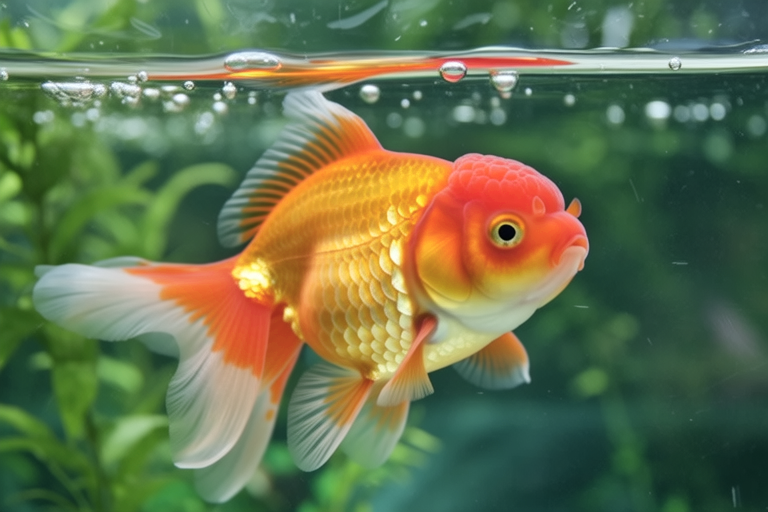
Bubble Trouble: Common Health Issues in Goldfish and How to Fix Them
Goldfish are among the most beloved pets around the world, known for their vibrant colors and graceful swimming. These delightful creatures bring joy to many households, but they are also susceptible to various health issues that can affect their well-being if not properly managed. Understanding the common ailments that can afflict your goldfish and knowing how to address them is crucial for ensuring your aquatic companions lead long and healthy lives.
Understanding Goldfish Health
Goldfish are hardy creatures, but they are not immune to health problems. Their environment plays a significant role in their overall health. Factors such as water quality, diet, and tank conditions can either promote or hinder their well-being. By being proactive and knowledgeable about potential issues, you can significantly reduce the risk of your goldfish falling ill.
Common Health Issues in Goldfish
Fin Rot
Symptoms: Fin rot is one of the most common ailments affecting goldfish. It manifests as frayed, torn, or discolored fins. In severe cases, the fins may appear ragged or even start to disappear entirely. The tail fin is particularly susceptible, often leading to a ‘pinwheel’ appearance.
Causes: Fin rot is primarily caused by bacterial infections, often exacerbated by poor water quality. Stress from overcrowded tanks, improper diet, and sudden changes in water temperature can also contribute to this condition.
Treatment: Treating fin rot involves improving water quality and administering antibiotics. Regular water changes and the use of antibacterial medications can help combat the infection. It’s essential to follow the instructions carefully and monitor the fish’s progress closely. If the condition persists or worsens, consulting a veterinarian specializing in aquatic animals is advisable.
Swim Bladder Disorder
Symptoms: Swim bladder disorder is characterized by difficulty in maintaining balance and buoyancy. Affected goldfish may float upside down, sink to the bottom, or struggle to swim upright. This condition can be distressing to observe and affects the fish’s ability to move normally.
Causes: The exact cause of swim bladder disorder is often difficult to pinpoint, but it can result from constipation, physical injury, or internal organ disorders. Overfeeding, especially with high-fat foods, can lead to blockages and subsequent swim bladder issues.
Treatment: To treat swim bladder disorder, first, fast your goldfish for 24 hours to allow any blockages to clear. Afterward, feed them blanched peas, which are gentle on the digestive system and can help alleviate constipation. If the problem continues, seek veterinary assistance. A veterinarian can provide a more thorough diagnosis and recommend appropriate treatment options.
Ich
Symptoms: Ich, short for Ichthyophthirius multifiliis, is a parasitic disease that appears as small white spots on the fish’s body, fins, and gills. Infected goldfish may also display rapid breathing, scratching against objects in the tank, and lethargy.
Causes: Ich is introduced into the tank through contaminated water, plants, or fish. It thrives in cooler water temperatures, making it more prevalent during colder seasons.
Treatment: Raising the water temperature slightly can speed up the life cycle of the parasite, making it easier to eliminate. Using aquarium salt or commercial ich treatments can also help. However, it’s important to follow the product instructions carefully and monitor the fish’s response. If the condition does not improve or worsens, a visit to a veterinarian is necessary.
Preventive Measures
Maintaining a healthy environment for your goldfish is the best way to prevent many of the health issues discussed above. Here are some key preventive measures:
- Water Quality: Regularly test the water for ammonia, nitrite, and nitrate levels. Perform frequent partial water changes to keep the tank clean and free of harmful substances.
- Diet: Feed your goldfish a balanced diet consisting of high-quality pellets and occasional treats like blanched vegetables. Avoid overfeeding, as excess food can pollute the water.
- Tank Conditions: Ensure the tank has adequate filtration, appropriate water temperature, and sufficient oxygenation. Providing hiding spots and open spaces can also reduce stress.
Monitoring and Early Detection
Regular monitoring of your goldfish is vital for early detection of health issues. Observe your fish daily for any unusual behavior or physical changes. Pay attention to their eating habits, swimming patterns, and overall demeanor. Early intervention can make all the difference in successfully treating and managing health problems.
Consulting a Veterinarian
In cases where home remedies and treatments are insufficient, it’s important to consult a veterinarian specializing in aquatic animals. They can provide expert advice and tailor treatments specific to your goldfish’s needs. Don’t hesitate to seek professional help if you notice persistent or severe symptoms.
Conclusion
By understanding the common health issues that can affect goldfish and implementing preventive measures, you can greatly enhance the well-being of your aquatic companions. Regular monitoring, maintaining optimal water quality, providing a balanced diet, and creating suitable tank conditions are all essential steps toward ensuring a long and healthy life for your goldfish. With care and attention, your goldfish will continue to bring joy and beauty to your home for years to come.
