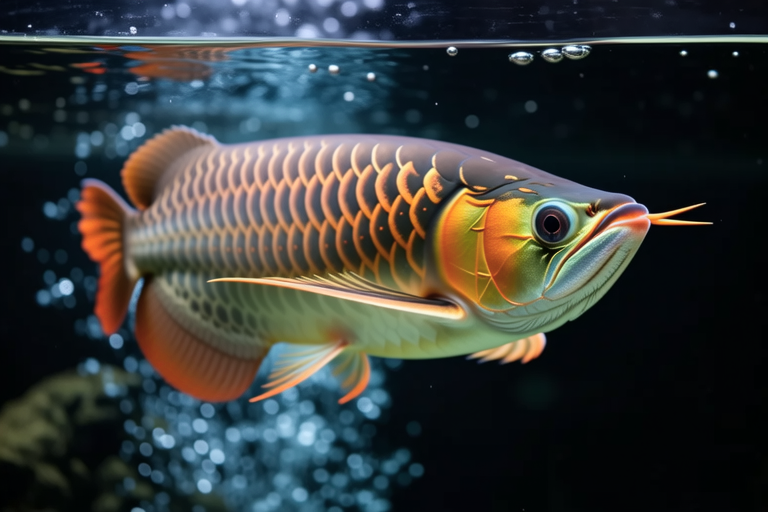
The Majestic Arowana: Exploring the Splendor and Challenges of Owning One
The arowana, often referred to as the “Dragon Fish,” is one of the most fascinating and majestic creatures in the aquatic world. With its striking appearance and rich history, it has captured the hearts of many aquarium enthusiasts. This article delves into the splendor of the arowana, from its unique physical attributes and historical significance to its care requirements and the challenges of owning one.
Introduction to the Arowana
The arowana’s name, “Dragon Fish,” is derived from its elongated body, which resembles the mythical dragon. Its scales are large and iridescent, shimmering with colors that range from green to gold, making it a true spectacle in any tank. Historically, the arowana has been revered in many cultures. In some Asian countries, it is believed to bring good luck and prosperity, adding to its mystique.
Native Habitats and Ideal Tank Conditions
Arowanas are native to the warm waters of Southeast Asia, particularly in rivers and lakes where they can thrive in their natural environment. They prefer slow-moving, heavily vegetated waters with plenty of cover. When keeping arowanas in captivity, it is crucial to replicate these conditions as closely as possible. The tank should be spacious, with a minimum length of 6 feet for a single adult, and equipped with ample hiding spots and plants. Water temperature should be maintained between 78°F and 84°F, with a pH level around 6.5 to 7.5. Regular water changes and filtration systems are necessary to ensure optimal water quality.
Dietary Needs
In the wild, arowanas are carnivorous, feeding on insects, small fish, crustaceans, and even birds that venture too close to the water’s surface. In captivity, they require a diet rich in protein. While live foods such as feeder fish and shrimp are preferred, there are also high-quality commercial pellets available that provide a balanced diet. It is important to vary the diet to ensure all nutritional needs are met, promoting overall health and longevity.
Behavioral Traits
Arowanas are known for their intelligence and curiosity. They exhibit interactive behaviors, often recognizing their owners and responding to them. Their intelligence makes them excellent candidates for training, though patience is key. These fish are also territorial and can become aggressive towards other fish, especially those of similar size or species. Providing adequate space and minimizing competition within the tank can help mitigate aggression.
Legal Considerations and Conservation Status
The ownership of arowanas is subject to strict regulations in many parts of the world due to their conservation status. In some regions, certain species are listed as endangered, and international trade is restricted under CITES (Convention on International Trade in Endangered Species of Wild Fauna and Flora). It is essential for potential owners to research and comply with local laws and regulations before acquiring arowanas. Responsible breeding programs and sustainable practices are encouraged to support conservation efforts.
Challenges of Ownership
Owning an arowana comes with significant responsibilities. The primary challenge is the provision of an appropriate living environment. Given their large size and active nature, arowanas require extensive tanks that can accommodate their swimming and growth. Additionally, their long lifespan, which can exceed 20 years, necessitates a long-term commitment from owners. Proper care and maintenance are vital to ensuring their well-being over this extended period.
Tips for Prospective Owners
For those considering the acquisition of an arowana, several steps can enhance the rewarding experience of owning this magnificent creature:
- Research Thoroughly: Understand the specific needs and behaviors of arowanas to prepare adequately for their arrival.
- Invest in Quality Equipment: High-quality filtration systems, heaters, and lighting are essential for maintaining optimal water conditions.
- Provide a Suitable Habitat: Ensure the tank is spacious enough and includes appropriate hiding spots and vegetation.
- Monitor Health Care: Regularly check for signs of illness and consult a veterinarian specializing in exotic fish.
- Be Patient and Consistent: Training and building trust with your arowana takes time and consistent effort.
By following these guidelines, you can create a nurturing environment that allows your arowana to flourish and provides you with a memorable and fulfilling experience.
In conclusion, the arowana is a remarkable fish that combines beauty, intelligence, and historical significance. While the responsibility of owning one is substantial, the rewards of witnessing the majesty of this “Dragon Fish” in your home aquarium make it a worthwhile endeavor for dedicated aquarists. Embrace the challenge and enjoy the splendor of the arowana.
