Norwegian Pets: A Journey Through Unique Breeds and Traits
Welcome to a delightful exploration of Norwegian pets, where we dive into the world of distinct dog and cat breeds that have found their home in the heart of Norway. This article will introduce you to some of the most iconic and beloved animals, detailing their origins, physical traits, temperaments, and how they fit into the rich tapestry of Norwegian culture and lifestyle.
The Norwegian Elkhound: A Symbol of Strength and Loyalty
The Norwegian Elkhound is one of the most recognizable breeds native to Norway. Originating from the Scandinavian forests, this breed has been a companion and hunting partner to the Norwegians for centuries. The Elkhound was primarily used to hunt elk and other large game, showcasing its strength, stamina, and loyalty.
Physically, the Norwegian Elkhound is a medium-sized spitz-type dog with a compact, muscular build. Its double coat provides excellent insulation against the cold, making it well-suited for the harsh Norwegian winters. The outer coat is dense, rough, and weather-resistant, while the undercoat is soft and thick. The typical coloration is black with a silvery gray body, giving them a striking appearance.
In terms of temperament, the Norwegian Elkhound is known for being independent, alert, and loyal. They are protective of their families and make excellent watchdogs. However, they can be strong-willed and require consistent training to channel their energy properly. Despite their independence, they thrive on companionship and enjoy spending time with their human families.
Care requirements for the Norwegian Elkhound include regular grooming to maintain their coat’s health and prevent matting. Their high energy levels also mean they need plenty of exercise, including long walks and playtime in open spaces. Historically, the Norwegian Elkhound has played a significant role in Norwegian culture, symbolizing the resilience and spirit of the Norwegian people.
The Buhund: A Versatile and Adaptable Companion
The Buhund, also known as the Norsk Buhund, is another breed native to Norway. Originally bred for herding sheep and cattle, the Buhund has proven itself to be a versatile and adaptable companion. Today, they are cherished as family pets and continue to be valued for their intelligence and trainability.
The Buhund is a small to medium-sized spitz-type dog with a robust, sturdy build. They come in two color variations: wheaten (a golden yellow) and black. Their double coat is thick and dense, providing protection against the elements. The Buhund’s ears are triangular and erect, giving them an alert and intelligent expression.
Buhunds are known for their friendly and sociable nature. They are affectionate with their families and get along well with children and other pets. However, they can be wary of strangers, making them effective watch dogs. Their intelligence makes them quick learners, but they can also be stubborn at times, requiring patient and consistent training.
When it comes to care, the Buhund’s coat requires regular brushing to keep it in good condition. They are relatively low-maintenance compared to other breeds, making them suitable for various living environments. Historically, the Buhund has been an integral part of Norwegian rural life, assisting farmers and contributing to the community’s well-being.
The Norwegian Forest Cat: A Majestic Feline
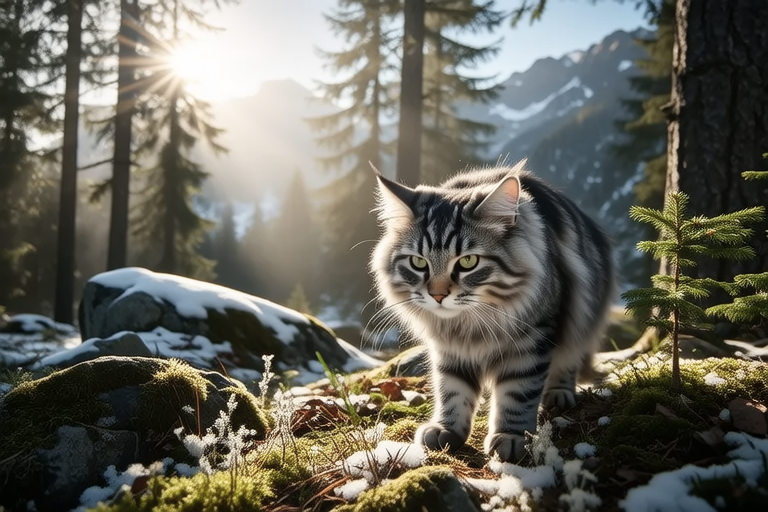
The Norwegian Forest Cat, or Norsk Skogkatt, is a breed of domestic cat that has been around for centuries. It is believed to have descended from cats brought to Norway by the Vikings. These cats are well-adapted to the cold climate of Norway, with their thick, water-repellent coats and powerful bodies.
Physically, the Norwegian Forest Cat is a large, muscular cat with a long, bushy tail. Their coats are typically semi-longhaired, with a thick undercoat that provides insulation against the cold. The fur is often mottled or striped, with colors ranging from white to black. Their eyes are almond-shaped and can be green, gold, or copper.
Temperament-wise, Norwegian Forest Cats are known for their calm and gentle nature. They are affectionate with their families and enjoy the company of humans. They are also playful and curious, often exploring their surroundings with enthusiasm. Despite their size, they are agile and graceful, making them excellent climbers.
Caring for a Norwegian Forest Cat involves regular grooming to prevent matting and keep their coat healthy. They are generally healthy cats, though they may be prone to certain genetic conditions. Historically, the Norwegian Forest Cat has been a beloved pet and working cat, helping to control rodent populations and providing companionship to Norwegian households.
The Lundehund: A Rare and Unique Breed
The Lundehund, or Puffin Dog, is a rare and unique breed that originated in Norway. These dogs were originally bred to hunt puffins, a type of seabird. The Lundehund is known for its exceptional agility and flexibility, which are essential for navigating rugged cliffs and rocky terrain.
Physically, the Lundehund is a small dog with a fox-like appearance. They have six toes on each foot, which provide extra grip when climbing. Their ears can close tightly, protecting them from water and debris. The coat is short and hard, with a dense undercoat.
The temperament of the Lundehund is playful and energetic. They are known for their curiosity and intelligence, making them excellent problem solvers. However, they can be sensitive and require careful handling. Early socialization and training are crucial for developing a well-rounded Lundehund.
Care for the Lundehund includes regular grooming to maintain their coat and check for any injuries sustained during play or exercise. They are prone to certain health issues, so regular veterinary check-ups are important. Historically, the Lundehund has played a vital role in Norwegian coastal communities, helping to sustain families through the hunting of puffins.
The Norwegian Culture and Pet Ownership
Pets play a significant role in Norwegian culture, with many families embracing the tradition of owning dogs and cats. The Norwegian landscape, with its vast forests, mountains, and fjords, provides ample space for dogs to roam and explore. Many Norwegian families take their dogs hiking, skiing, and camping, fostering a deep bond between humans and their canine companions.
Cats, too, are cherished members of Norwegian households. The Norwegian Forest Cat’s adaptability and companionship make them ideal pets for both urban and rural settings. In Norwegian homes, cats are often free to roam indoors and outdoors, enjoying the fresh air and freedom of their natural environment.
The Norwegian attitude towards pet ownership emphasizes responsible care and respect for animals. Pet owners are encouraged to provide proper nutrition, healthcare, and enrichment for their pets. This commitment to animal welfare ensures that Norwegian pets lead happy and healthy lives.
Conclusion
From the strong and loyal Norwegian Elkhound to the playful and intelligent Lundehund, Norway is home to a diverse range of dog and cat breeds. Each breed brings its unique qualities to Norwegian households, enriching the lives of their human companions. As we have explored these breeds, it is clear that they are more than just pets; they are an integral part of Norwegian culture and heritage. Whether you are a seasoned pet owner or considering adding a furry friend to your family, there is a Norwegian breed out there that will suit your lifestyle and bring joy to your home.
