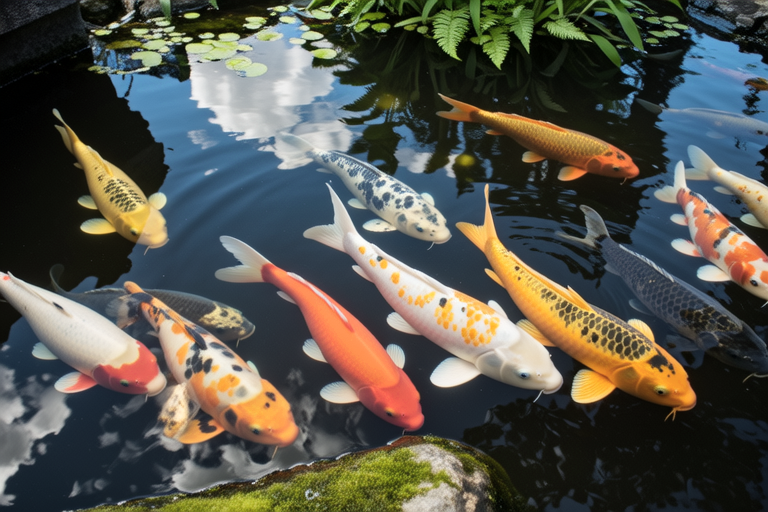
Transform Your Pond into a Koi Paradise: Step-by-Step
Welcome to the fascinating world of koi keeping! Koi, or Cyprinus carpio, are ornamental varieties of domesticated common carp. They are renowned for their vibrant colors and graceful swimming patterns, making them a popular choice for pond enthusiasts. This guide will walk you through the process of transforming your pond into a koi paradise, from setting up the ideal environment to maintaining a thriving ecosystem.
Understanding Koi Keeping
Koi keeping is more than just maintaining a beautiful pond; it’s about creating a balanced aquatic ecosystem that supports the health and longevity of these magnificent fish. Koi can live for decades, and with proper care, they can reach impressive sizes, sometimes exceeding three feet in length. The first step in koi keeping is understanding the basic needs of your fish, including water quality, diet, and habitat.
Essential Pond Setup Requirements
Pond Size and Depth
The size and depth of your pond are crucial factors in ensuring the well-being of your koi. A general rule of thumb is to provide at least 20 gallons of water per inch of fish. For example, a 12-inch koi would require approximately 240 gallons of water. Deeper ponds, around 4 to 6 feet, are preferable as they offer better temperature stability and provide hiding spots for your fish. Shallow ponds can lead to rapid temperature fluctuations, which can stress the koi.
Filtration System
A robust filtration system is indispensable for maintaining clean and healthy water. There are several types of filters available, each designed to handle different aspects of water maintenance:
- Mechanical Filters: These remove large debris like leaves and uneaten food from the water.
- Biological Filters: These house beneficial bacteria that break down harmful ammonia and nitrite, converting them into less toxic nitrate.
- Chemical Filters: These use activated carbon or other media to absorb dissolved chemicals and medications.
Choose a filter based on the volume of your pond and the number of koi you plan to keep. Regular maintenance of your filtration system is also vital to ensure its efficiency.
Plant Selection for a Healthy Ecosystem
Plants play a significant role in maintaining a balanced pond ecosystem. They not only add aesthetic value but also provide oxygen, shelter, and natural food sources for your koi. Some recommended plants include:
- Water Lilies: These floating plants provide shade, reducing algae growth, and offer hiding spots for koi.
- Emergent Plants: Such as cattails and iris, which grow around the edges of the pond and help filter the water.
- Submerged Plants: Like hornwort and anacharis, which oxygenate the water and provide cover for fry.
Ensure that the plants you choose are compatible with your pond’s climate and water conditions. A diverse planting palette will contribute to a healthier pond environment.
Proper Koi Feeding Techniques
Feeding koi is both an art and a science. Overfeeding can lead to poor water quality and health issues, while underfeeding can cause malnutrition. High-quality koi pellets are the best choice, as they are formulated to meet the nutritional needs of these fish. Feed your koi two to three times daily, offering as much food as they can consume within five minutes. Adjust the amount according to the season and water temperature. In colder months, reduce feeding frequency as koi become less active.
Maintaining Water Quality
Water quality is the cornerstone of koi health. Regular testing and maintenance are necessary to ensure optimal conditions. Key parameters to monitor include pH, ammonia, nitrite, nitrate, and temperature. Aim for a pH level between 7.2 and 8.0, and maintain low levels of ammonia and nitrite. Nitrate levels should be kept below 50 ppm. Water changes, typically 10% weekly, help dilute accumulated nitrates and other pollutants.
Seasonal Care Tips
Spring
In spring, perform a thorough cleaning of your pond, removing any winter debris and checking the filtration system. Gradually increase feeding as water temperatures rise. Spring is also an excellent time to introduce new plants and check for signs of disease.
