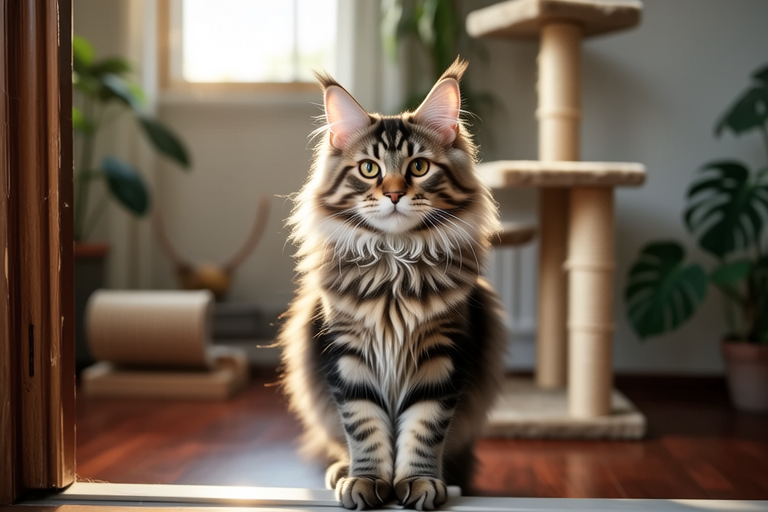
The Ultimate Guide to Raising a Happy and Healthy Maine Coon
Choosing the Right Maine Coon
Selecting the perfect Maine Coon is crucial for ensuring a harmonious relationship between you and your feline companion. Start by researching reputable breeders who prioritize the health and well-being of their cats. Look for breeders who provide proof of health clearances for genetic diseases common in the breed, such as hip dysplasia and hypertrophic cardiomyopathy. Additionally, consider adopting from shelters or rescue organizations, where many Maine Coons find themselves in need of loving homes.
When meeting potential kittens or adult cats, observe their behavior and temperament. A healthy Maine Coon should be curious, friendly, and playful. Avoid overly shy or aggressive animals, as these traits may indicate underlying health or behavioral issues. It’s also important to choose a kitten that fits well with your lifestyle. If you’re an active family, a more energetic kitten might be a better match than one that prefers lounging around.
Essential Dietary Needs
Maine Coons have specific dietary requirements to maintain their health and vitality. They are obligate carnivores, meaning their diet should primarily consist of animal-based proteins. High-quality commercial cat foods formulated specifically for Maine Coons are ideal, as they contain the necessary nutrients in appropriate proportions. These diets typically include taurine, an essential amino acid that supports heart function and vision.
Avoid feeding your Maine Coon human food, especially those containing onions, garlic, chocolate, caffeine, or alcohol, which can be toxic to cats. Fresh water should always be available to prevent dehydration. Consider incorporating occasional raw meat into their diet under veterinary supervision, as this can provide additional nutrients and variety. However, ensure that any raw meat is free from harmful bacteria and parasites.
Exercise and Playtime Requirements
Maine Coons are known for their playful and active nature, so providing ample opportunities for exercise and play is essential. Daily interactive play sessions using toys like feather wands, laser pointers, or puzzle feeders can help keep your cat mentally stimulated and physically fit. These activities also strengthen the bond between you and your pet.
In addition to structured playtime, create an environment that encourages natural hunting behaviors. Place perches near windows to allow your cat to watch birds and other small animals. Provide scratching posts and climbing structures to satisfy their instinctual need to climb and scratch. Encourage exploration by rotating toys regularly and introducing new items periodically.
Grooming Tips
Maine Coons have long, luxurious coats that require regular grooming to prevent matting and skin irritations. Brush your cat at least once a week, using a slicker brush followed by a comb to remove loose hair and prevent tangles. During shedding seasons, increase the frequency of brushing to twice a week. Pay special attention to areas prone to mats, such as behind the ears and under the tail.
Bathing your Maine Coon may be necessary if they get particularly dirty or develop skin conditions. Use a gentle, cat-specific shampoo and avoid getting water in their ears or eyes. After bathing, dry them thoroughly with a towel or blow dryer set on low heat. Regular nail trimming is also important to prevent overgrowth and discomfort. Consult your veterinarian if you’re unsure about how to trim your cat’s nails safely.
Common Health Issues and Preventative Measures
Despite their robust appearance, Maine Coons are susceptible to certain genetic and environmental health issues. One of the most common conditions is hip dysplasia, a hereditary disorder affecting the hip joint. Early detection through radiographs and management with weight control and joint supplements can help alleviate symptoms. Hypertrophic cardiomyopathy, a form of heart disease, is another concern. Regular veterinary check-ups, including echocardiograms, can aid in early diagnosis and treatment.
To prevent dental problems, which are common in older cats, provide chew toys and dental treats designed to promote oral hygiene. Annual dental cleanings performed by a professional can further reduce the risk of gum disease and tooth loss. Maintaining a balanced diet and encouraging regular exercise will contribute to overall good health. Vaccinations and parasite prevention should also be kept up-to-date according to your veterinarian’s recommendations.
Training Methods
Training your Maine Coon can enhance communication and strengthen the bond between you and your pet. Positive reinforcement techniques, such as rewarding desired behaviors with treats or praise, work best. Teach basic commands like ‘sit,’ ‘stay,’ and ‘come’ using consistent cues and rewards. Clicker training can be particularly effective for shaping complex behaviors.
Encourage good litter box habits by placing multiple litter boxes in easily accessible locations throughout your home. Clean the litter boxes daily to encourage frequent use. If your cat exhibits inappropriate elimination, consult your veterinarian to rule out medical causes before addressing behavioral issues.
Creating a Stimulating Environment
A stimulating environment is vital for a happy and healthy Maine Coon. Provide vertical spaces such as cat trees, window perches, and shelves to allow your cat to explore and observe their surroundings. Interactive toys that mimic prey, like feather wands or laser pointers, can engage their predatory instincts and provide mental stimulation.
Rotate toys regularly to keep your cat interested and engaged. Puzzle feeders that dispense treats can encourage problem-solving skills while satisfying hunger. Consider setting up a designated play area where your cat can safely explore without fear of injury or disruption. This space should include hiding spots, tunnels, and climbing structures to mimic their natural habitat.
Socialization Techniques
Socializing your Maine Coon from a young age helps them become confident and adaptable. Expose kittens to various people, animals, environments, and experiences to build positive associations. Handle your kitten gently but firmly, allowing them to investigate new sights, sounds, and smells at their own pace.
If your Maine Coon is an adult and shows signs of shyness or aggression towards strangers or other pets, gradual desensitization techniques can be employed. Introduce unfamiliar stimuli slowly and reward calm, friendly behavior. Consistency and patience are key when working with adult cats. Socialization should continue throughout your cat’s life to maintain their sociability and confidence.
Advice for Owners at Different Life Stages of the Cat
Kitten Stage
Raising a Maine Coon kitten requires extra care and attention. Provide a safe, warm, and comfortable living space equipped with soft bedding, toys, and a litter box. Feed them high-quality kitten food specifically formulated for their growing bodies. Establish routines for feeding, playtime, and grooming early on to promote healthy habits.
Monitor their growth closely and schedule regular veterinary visits for vaccinations and check-ups. Engage in supervised play to encourage physical development and coordination. Handle your kitten frequently to accustom them to being touched and handled, which will make future grooming and vet visits easier.
Adult Stage
As your Maine Coon matures, focus on maintaining their physical and mental well-being. Continue providing opportunities for exercise and play, adjusting the intensity based on their energy levels. Monitor their weight and adjust their diet accordingly to prevent obesity. Regular grooming becomes even more important during adulthood to manage shedding and maintain coat health.
Schedule annual veterinary check-ups and keep up with recommended vaccinations and preventative care. Pay attention to any changes in behavior or appetite, as these could indicate underlying health issues. Encourage social interactions with other pets and people to keep your cat emotionally balanced.
Senior Stage
Caring for a senior Maine Coon involves adapting to their changing needs and slowing metabolism. Adjust their diet to include senior-specific formulas that support joint health and digestive function. Reduce the amount of food gradually to prevent weight gain. Provide comfortable sleeping arrangements, such as heated beds or soft blankets, to ease arthritis pain.
Continue monitoring their health closely and schedule semi-annual veterinary visits. Address any mobility issues by providing ramps or steps to access elevated areas. Spend quality time with your aging cat, offering affection and companionship to ensure they remain happy and content in their golden years.
