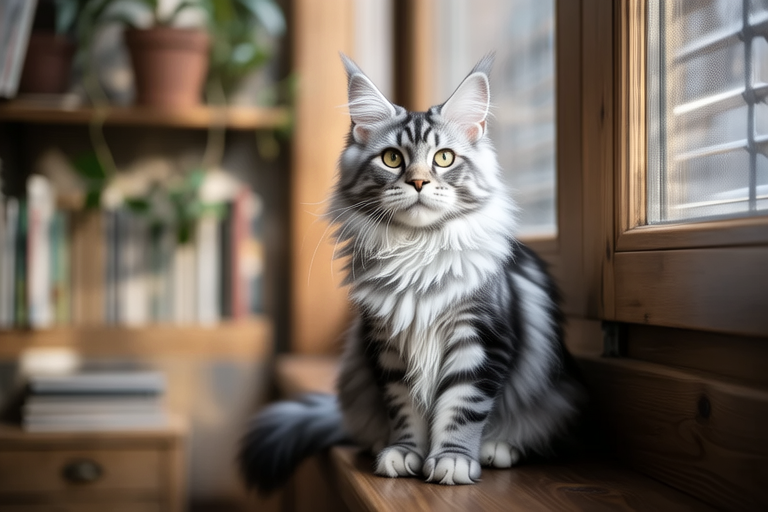
The Majestic Maine Coon: A Comprehensive Guide
The Maine Coon is one of the largest domestic cat breeds, known for its striking appearance, friendly demeanor, and unique characteristics that set it apart from other feline breeds. Originating from the northeastern United States, this breed has a rich history, intriguing myths, and a range of physical attributes that make it a popular choice among cat enthusiasts.
Origins and Myths
The exact origins of the Maine Coon remain shrouded in mystery, but there are several fascinating theories about its ancestry. One popular myth suggests that the breed descended from long-haired cats brought to America by Marie Antoinette during her escape from France. Another theory posits that the breed originated from matings between semi-wild, native short-haired cats and long-haired breeds brought to America by European seafarers. Regardless of its true origins, the Maine Coon was first recognized as a distinct breed in the late 19th century and gained significant popularity in cat shows during the early 20th century.
Physical Characteristics
Size and Weight
Maine Coons are known for their impressive size, with males typically weighing between 13 to 18 pounds and females ranging from 8 to 12 pounds. Some individuals can grow even larger, reaching weights of up to 25 pounds. Their body structure is well-proportioned, featuring a broad chest, strong legs, and a muscular build. The tail is long and bushy, often resembling a raccoon’s tail, which is where the breed gets its name.
Coat Types and Color Variations
Maine Coons have a thick, water-resistant double coat that provides protection against harsh weather conditions. The outer coat is longer and coarser, while the undercoat is dense and soft. This coat requires regular grooming to prevent matting and keep it healthy. The breed comes in a wide variety of colors and patterns, including tabby, solid, bi-color, and tortoiseshell. Eye colors range from green to gold, with some individuals having blue or odd-eyed (two different colored eyes) pairs.
Behavioral Traits
Temperament and Intelligence
Maine Coons are renowned for their gentle and affectionate nature, making them excellent companions for families and individuals alike. They are highly social animals that enjoy human interaction and often seek out attention. Despite their large size, they are generally calm and docile, rarely displaying aggressive behavior. Their intelligence sets them apart, as they are quick learners and can be trained to perform tricks or respond to commands. Maine Coons also exhibit curiosity and a playful nature, particularly when young.
Adaptability
These cats are incredibly adaptable, thriving in various environments, from rural homes to urban apartments. Their friendly disposition makes them well-suited for multi-pet households, and they can get along with other cats, dogs, and children. Maine Coons are known for their patience and tolerance, which contribute to their reputation as ideal family pets. They are also relatively independent, allowing them to entertain themselves when necessary.
Health and Grooming
Common Health Issues
Despite their robust appearance, Maine Coons are prone to certain health issues. One of the most concerning is hypertrophic cardiomyopathy (HCM), a heart condition that can lead to sudden death if left untreated. Other potential health problems include hip dysplasia, polycystic kidney disease, and spinal muscular atrophy. Regular veterinary check-ups and genetic testing can help identify and manage these conditions.
Grooming Needs
Due to their thick coats, Maine Coons require regular grooming to maintain their appearance and overall health. Brushing the coat at least once a week helps remove loose hair, prevent matting, and distribute natural oils throughout the fur. Bathing is generally unnecessary unless the cat becomes excessively dirty. Nail trimming, ear cleaning, and dental care should also be part of a routine grooming schedule to ensure good hygiene.
Dietary Requirements
Maine Coons have specific dietary needs to support their growth and maintenance of muscle mass. A high-quality diet rich in protein and essential nutrients is crucial for their health. Owners should consult with a veterinarian to determine the appropriate portion sizes and feeding frequency based on the cat’s age, weight, and activity level. Providing fresh water and a balanced diet will help maintain the Maine Coon’s optimal health and energy levels.
Dog-Like Behavior
Maine Coons are often referred to as “dog-like” due to their unique behaviors and traits. They are known to follow their owners around the house, greet them at the door, and even play fetch. These cats are highly trainable and can learn to respond to their names, come when called, and perform simple tricks. Their loyalty and attachment to their human companions make them exceptional pets, and their ability to engage in interactive play further enhances their appeal.
Popularity as a Family Pet
Maine Coons are beloved family pets due to their friendly, affectionate nature and adaptability. They are excellent companions for people of all ages and can provide years of enjoyment and companionship. Their playful and curious nature keeps them engaged, and their gentle demeanor ensures they are suitable for households with children and other pets. Maine Coons are also known for their quiet vocalizations, making them ideal for those who prefer a quieter home environment.
Advice for Potential Owners
Considering adopting a Maine Coon? Here are some important factors to keep in mind:
- Space: Ensure you have enough space for your Maine Coon to roam and stretch its limbs. While they are adaptable, providing ample room for exercise and play is beneficial.
- Time Commitment: Maine Coons require regular grooming and attention to maintain their health and happiness. Be prepared to dedicate time to their care and interaction.
- Veterinary Care: Schedule routine check-ups and vaccinations to monitor their health and address any potential issues early. Genetic testing can also help identify predispositions to certain conditions.
- Training: Invest time in training your Maine Coon to respond to commands and interact positively with other household members and pets.
- Patience: Maine Coons may take time to warm up to new environments and people. Patience and consistency in establishing routines will help them feel secure and comfortable.
By understanding the unique qualities and needs of the Maine Coon, potential owners can provide a loving and nurturing home for these magnificent creatures. With proper care and attention, a Maine Coon can become an invaluable member of the family, offering years of companionship and joy.
