The Surprising Role of Parrot Fish in Protecting Our Oceans
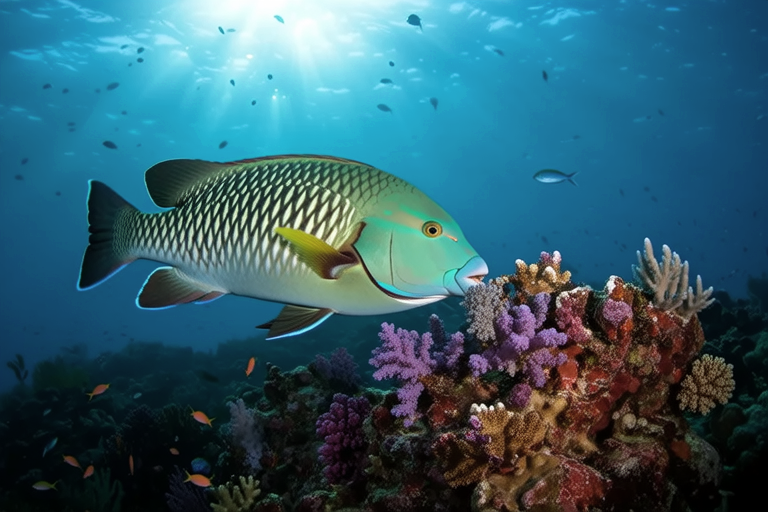
Parrot fish are some of the most colorful and fascinating creatures found in tropical waters around the world. Known for their vibrant hues and distinct beak-like mouths, these fish play a crucial role in maintaining the health of coral reefs, which are essential for the overall well-being of our oceans. This article explores the unique behaviors, eating habits, and symbiotic relationships of parrot fish, emphasizing their vital role in protecting our oceans.
Natural Habitats and Introduction
Parrot fish inhabit warm, shallow waters across the globe, particularly in the Indo-Pacific and Caribbean regions. They are typically found in coral reefs, lagoons, and seagrass beds, where they thrive in the diverse and complex ecosystems these environments provide. Coral reefs are among the most biodiverse ecosystems on Earth, home to thousands of species of fish, invertebrates, and plants. Parrot fish are integral to these ecosystems, contributing significantly to their maintenance and resilience.
Unique Behaviors and Eating Habits
One of the most remarkable aspects of parrot fish is their diet. These fish are herbivores, primarily feeding on algae that grow on coral reefs. Their beak-like mouths are specially adapted for scraping algae off rocks and coral surfaces. This process not only provides them with sustenance but also plays a crucial role in maintaining the balance of the reef ecosystem.
Parrot fish have a unique way of digesting their food. After consuming algae, they excrete sand, which contributes to the formation of beaches and islands. This process, known as bioerosion, helps prevent the overgrowth of algae, which can smother corals and inhibit their growth. By keeping algae levels in check, parrot fish ensure that corals have sufficient light and nutrients to thrive.
Symbiotic Relationship with Coral Reefs
The relationship between parrot fish and coral reefs is symbiotic, meaning both parties benefit from the interaction. Parrot fish rely on coral reefs for food and shelter, while coral reefs depend on parrot fish for their health and survival. The fish help maintain the balance of the reef ecosystem by controlling algal growth, which allows corals to receive adequate sunlight and nutrients.
Recent studies have shown that parrot fish play a significant role in maintaining the biodiversity of coral reefs. A study published in the journal Ecology Letters found that areas with higher parrot fish populations had greater coral cover and were more resilient to environmental disturbances such as coral bleaching and disease outbreaks. This resilience is crucial for the long-term survival of coral reefs, which are under increasing pressure from climate change, pollution, and overfishing.
Protecting Our Oceans
The critical role of parrot fish in protecting our oceans cannot be overstated. Coral reefs provide numerous benefits to humans, including coastal protection, tourism opportunities, and fisheries. However, these ecosystems are facing unprecedented threats, and the loss of parrot fish could have devastating consequences for the health and stability of coral reefs.
Several factors contribute to the decline of parrot fish populations. Overfishing is one of the primary threats, as many species are targeted for their meat and vibrant colors. Additionally, habitat destruction and pollution further exacerbate the problem. To address these issues, it is essential to implement sustainable fishing practices and protect critical habitats.
Actionable Steps for Conservation
Individuals can play a crucial role in supporting the conservation of parrot fish and coral reefs. One effective way to do this is by choosing sustainably sourced seafood. By purchasing seafood from certified sources, consumers can help reduce the demand for overfished species and promote responsible fishing practices.
Another important step is to support marine protected areas (MPAs). MPAs are designated areas where human activities, such as fishing and development, are restricted or prohibited. These areas provide safe havens for marine life, allowing populations to recover and thrive. Supporting organizations that work to establish and manage MPAs can have a significant impact on the preservation of parrot fish and coral reefs.
Lastly, reducing personal contributions to pollution is essential for the health of our oceans. Simple actions like properly disposing of waste, using reusable bags and containers, and minimizing the use of single-use plastics can make a difference. Additionally, supporting policies and initiatives aimed at reducing greenhouse gas emissions and promoting renewable energy can help mitigate the impacts of climate change on marine ecosystems.
Conclusion
The surprising role of parrot fish in protecting our oceans highlights the intricate connections within marine ecosystems. By controlling algal growth and maintaining coral reef health, parrot fish play a vital role in ensuring the resilience and biodiversity of these ecosystems. As we face increasing challenges to the health of our oceans, it is crucial to recognize the importance of preserving parrot fish populations for the future health of our oceans.
By taking actionable steps to support conservation efforts, individuals can make a meaningful difference in protecting parrot fish and the vital ecosystems they inhabit. Through sustainable fishing practices, supporting marine protected areas, and reducing personal contributions to pollution, we can help ensure the survival of these remarkable fish and the countless species that depend on them.
