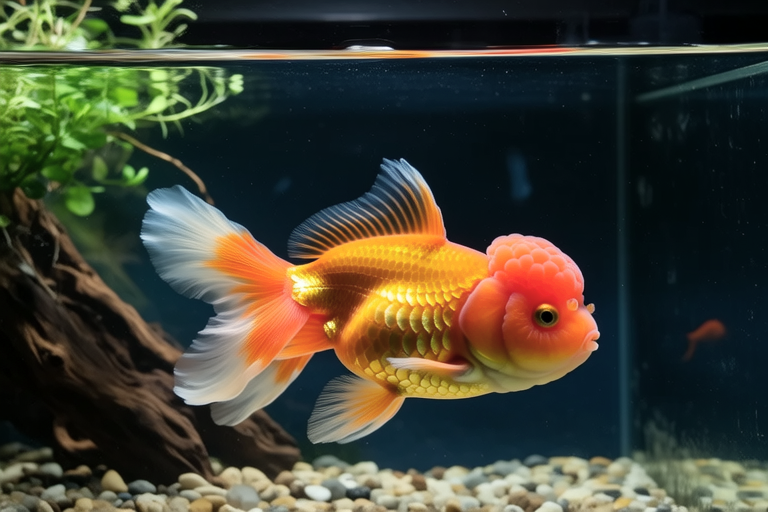
From Bowl to Tank: The Ultimate Guide to Upgrading Your Goldfish’s Environment
Welcome to the world of goldfish care! If you’re reading this, it’s likely because you’ve taken the first step towards providing your goldfish with a healthier, more vibrant environment. Upgrading from a bowl to a tank is a significant decision that can greatly improve the health and longevity of your aquatic companions. In this comprehensive guide, we’ll walk you through everything you need to know about creating the perfect home for your goldfish.
The Importance of Upgrading from a Bowl to a Tank
Goldfish are often mistakenly believed to be low-maintenance pets that can thrive in small spaces like bowls. However, this is far from the truth. Goldfish are active swimmers that require ample space to move around comfortably. Bowls are simply too small to provide the necessary swimming area and can lead to stunted growth, poor health, and even premature death. In addition to insufficient space, bowls lack the filtration and oxygenation systems needed to maintain optimal water quality.
A tank offers a much larger living space, which is essential for the physical and mental well-being of your goldfish. It also provides better conditions for water circulation and filtration, ensuring that the water remains clean and healthy. Proper tank setup is the foundation for a thriving goldfish aquarium.
Selecting the Right Tank Size
When it comes to tank size, bigger is always better for goldfish. A general rule of thumb is to provide at least 20 gallons of water per goldfish. This guideline ensures that there is enough room for your fish to swim freely and allows for adequate filtration and water quality maintenance. Smaller tanks can quickly become overcrowded, leading to stress, disease, and poor water quality.
Consider the specific needs of your goldfish when choosing the right tank size. For instance, if you have multiple goldfish, you will need a larger tank to accommodate them all comfortably. Additionally, keep in mind that goldfish grow rapidly, so it’s important to select a tank size that will suit their adult size rather than their current size.
Filtration Systems
Filtration is one of the most critical aspects of maintaining a healthy goldfish tank. Goldfish produce a significant amount of waste, which can quickly pollute the water if not properly filtered. A good filtration system will help remove harmful toxins, excess food, and debris, keeping the water clean and safe for your fish.
There are several types of filtration systems available, including mechanical, biological, and chemical filters. Mechanical filters trap large particles, while biological filters promote the growth of beneficial bacteria that break down harmful substances. Chemical filters use media like activated carbon to absorb dissolved organic compounds and medications. A combination of these filter types will provide the best overall filtration for your goldfish tank.
When selecting a filtration system, make sure it is appropriate for the size of your tank. Over-filtering or under-filtering can both have negative effects on water quality. Consult with experts or do thorough research to find the best filtration system for your specific tank setup.
Maintaining Water Quality
Water quality is paramount for the health and happiness of your goldfish. Regular water changes and monitoring key parameters such as pH, ammonia, nitrite, and nitrate levels are essential to ensure a stable and healthy environment. A consistent water change schedule, typically 10-20% of the tank volume weekly, helps remove accumulated waste and refreshes the water.
To maintain optimal water quality, invest in a reliable water testing kit. This tool will allow you to monitor various water parameters and take corrective actions if any issues arise. Additionally, ensure that your tank has an efficient filtration system and consider using a protein skimmer for saltwater setups to further enhance water quality.
Choosing Suitable Decorations
Decorations not only add aesthetic appeal to your goldfish tank but also serve functional purposes. Providing hiding spots and structured environments can reduce stress and promote natural behaviors. Plants, rocks, and driftwood can create a stimulating and enriching habitat for your fish.
When selecting decorations, choose materials that are safe for aquatic life. Avoid sharp or rough surfaces that could injure your goldfish. Opt for natural-looking elements that mimic their natural environment. Live plants not only beautify the tank but also contribute to water quality by producing oxygen and absorbing nutrients.
Tank Cycling
Before introducing your goldfish to their new home, it’s crucial to cycle the tank. Cycling establishes beneficial bacteria colonies that convert harmful ammonia into less toxic nitrites and then into nitrates. This process ensures a stable and healthy environment for your fish.
To cycle your tank, start by setting up the tank with water, substrate, and filtration. Add a few hardy fish or specialized bacteria starters to initiate the nitrogen cycle. Monitor the water parameters closely during this period, which usually takes four to six weeks. Once the ammonia and nitrite levels drop to zero and nitrate levels stabilize, your tank is ready for your goldfish.
Beneficial Plants
Introducing live plants into your goldfish tank can significantly enhance its ecosystem. Plants provide oxygen, absorb nutrients, and offer hiding places for your fish. Some popular plant species for goldfish tanks include Java fern, Anubias, and Amazon swords. These plants are known for their durability and compatibility with goldfish.
While live plants offer numerous benefits, they also require proper care. Ensure that the lighting is adequate for plant growth and consider adding CO2 injection systems to promote lush foliage. Alternatively, you can opt for artificial plants that mimic the look of live plants without the maintenance.
Necessary Equipment
In addition to the tank, filtration, and decorations, several pieces of equipment are essential for maintaining a healthy goldfish tank. Heaters are necessary to maintain a stable water temperature, especially in colder climates. Goldfish prefer temperatures between 68°F and 74°F (20°C to 23°C). Air pumps and airstones can enhance oxygenation, particularly in densely populated tanks.
Other useful equipment includes test kits for water parameters, a siphon for water changes, and a gravel vacuum to remove debris from the substrate. Investing in high-quality equipment will ensure the long-term health and happiness of your goldfish.
Caring for Your Goldfish
Proper feeding is crucial for the health of your goldfish. Feed your goldfish two to three times daily, offering only what they can consume within a couple of minutes. Overfeeding can lead to water pollution and health problems. A balanced diet consisting of high-quality flakes, pellets, and occasional treats like brine shrimp or bloodworms will keep your fish healthy and vibrant.
Regular water changes and maintenance are vital for keeping the tank clean and free from harmful substances. Perform partial water changes weekly, removing about 10-20% of the tank volume each time. Use a gravel vacuum to clean the substrate and ensure that the filtration system is functioning optimally.
Summary and Encouragement
Upgrading from a bowl to a tank is a significant step that can greatly improve the health and well-being of your goldfish. By providing ample space, effective filtration, and proper water quality maintenance, you create a thriving environment for your aquatic companions. Selecting the right tank size, choosing suitable decorations, cycling the tank, and incorporating beneficial plants are all essential steps in setting up a healthy goldfish tank.
Investing in the necessary equipment and following proper care guidelines will ensure that your goldfish thrive in their new home. The benefits of upgrading extend beyond just improving the physical space; it also enhances the mental and emotional well-being of your fish. By creating a more spacious and enriched environment, you’re giving your goldfish the best possible chance for a long and happy life.
We hope this guide has provided you with valuable insights and practical advice for upgrading your goldfish’s environment. Take the leap and provide your goldfish with the care and attention they deserve. With the right setup and maintenance, your goldfish will flourish in their new tank, bringing joy and beauty to your home for years to come.
