Exploring the Unique World of Norwegian Pet Care Traditions
The world of pet care in Norway is rich with history, culture, and tradition. From the ancient times when dogs were used for hunting and herding, to the modern day where pets are cherished companions, the relationship between Norwegians and their pets has evolved significantly. This article delves into the historical background, traditional methods, cultural significance, and current practices of pet care in Norway.
Historical Background and Traditional Methods
The history of pet care in Norway dates back centuries, with dogs being an integral part of daily life. Historically, dogs were primarily used for hunting and herding, reflecting the rural lifestyle of many Norwegians. These working animals played a crucial role in the economy and daily activities of Norwegian families. As time passed, the relationship between humans and dogs transformed from one of utility to companionship.
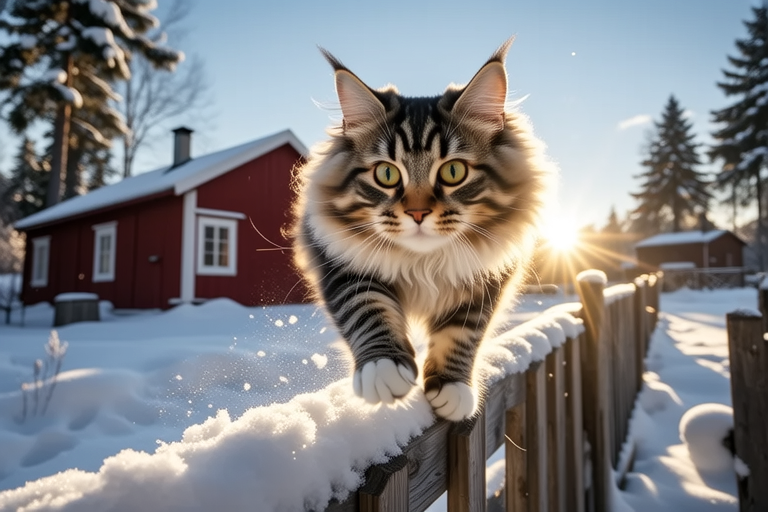
In earlier times, it was common for Norwegian farmers to keep cats as well, which helped control rodent populations in barns and homes. Cats were seen as practical additions to the household, contributing to the overall health and hygiene of the family. Over the years, the role of cats shifted from pest control to beloved pets, symbolizing the evolving nature of pet care in Norway.
Cultural Significance and Typical Norwegian Pets
Pets hold a significant place in Norwegian culture, often considered as part of the family. Dogs and cats remain the most popular pets in Norway, with other animals such as birds, fish, and small mammals also being kept. The bond between Norwegians and their pets is deeply rooted in the country’s cultural heritage. Pets are often treated as family members, participating in everyday activities and sharing special moments with their owners.
Dogs in Norway are typically chosen based on their suitability for outdoor activities. Breeds like the Norwegian Elkhound, Lundehund, and Buhund are particularly popular due to their hardiness and adaptability to the harsh Nordic climate. These breeds are well-suited for the cold weather and rugged terrain, making them ideal companions for hiking and outdoor adventures.
Dietary Habits and Exercise Routines
The dietary habits of Norwegian pets are closely tied to their natural instincts and the environment. Dogs are usually fed high-quality commercial dog food, supplemented with raw meat, bones, and vegetables. This diet ensures that they receive all the necessary nutrients for their active lifestyles. Cats, on the other hand, are generally provided with a balanced mix of wet and dry food, tailored to meet their nutritional needs.
Exercise routines for Norwegian pets are diverse and depend on the breed and individual preferences. Dogs are encouraged to participate in regular outdoor activities, such as hiking, running, and swimming. These activities not only provide physical exercise but also mental stimulation, helping to prevent behavioral issues. Cats are given ample opportunities to engage in playful activities indoors, with interactive toys and climbing structures to keep them entertained.
Healthcare Practices
Healthcare for Norwegian pets is highly regarded, with a strong emphasis on preventive care. Regular veterinary check-ups, vaccinations, and parasite control are standard practices. Many pet owners also opt for holistic approaches, incorporating natural remedies and alternative therapies into their pet’s care regimen. The Norwegian Veterinary Association plays a vital role in promoting responsible pet ownership and providing guidance on best practices.
Unique to Norway is the widespread availability of pet insurance, which helps cover the costs of medical treatments and surgeries. This financial support ensures that pets receive the best possible care, without placing undue burden on their owners. Additionally, Norway has strict regulations regarding the importation of pets, ensuring that animals entering the country are healthy and free from diseases.
Laws and Regulations
Norway has several unique laws and regulations specific to pet ownership. One notable regulation is the requirement for all dogs to be microchipped, which aids in identification and reunification in case of loss. Another important law mandates that dogs must be leashed in public spaces, except in designated off-leash areas. This ensures the safety of both pets and people, while also minimizing disturbances in public areas.
There are also specific guidelines for the housing of pets, ensuring that they have adequate space, ventilation, and access to sunlight. These regulations reflect the Norwegian commitment to animal welfare and ethical treatment of pets. The Norwegian Animal Welfare Act sets out clear standards for the care and treatment of animals, including pets, and is enforced by local authorities.
Comparison with International Standards
When compared to international standards, Norwegian pet care practices are generally considered to be among the best. The country consistently ranks highly in global animal welfare indices, reflecting its strong commitment to the well-being of pets. Norwegian pet owners are known for their dedication and willingness to invest in the health and happiness of their pets.
However, there are differences in pet care practices across countries. For example, some nations may prioritize indoor confinement for pets, whereas Norway emphasizes outdoor activities and exposure to natural environments. This difference highlights the importance of adapting pet care practices to suit local conditions and cultural norms.
Evolution Over Time
The evolution of pet care in Norway reflects broader societal changes. As urbanization increased, the role of pets shifted from working animals to companions. This transition has been accompanied by a growing awareness of animal welfare and the importance of responsible pet ownership. The rise of social media has also played a role in shaping pet care practices, with many Norwegians sharing tips and experiences online, fostering a sense of community and shared responsibility.
Emotional Bond Between Norwegians and Their Pets
The emotional bond between Norwegians and their pets is profound, with many people considering their pets as family members. Interviews with pet owners reveal stories of deep affection and loyalty. One owner, Anne, shared that her dog, Max, is her constant companion and source of joy. “Max is more than just a pet; he’s a member of our family,” she said. “He brings so much love and happiness into our lives.”
The emotional connection between humans and their pets is further emphasized during challenging times. Pets provide comfort and companionship, offering a sense of security and stability. This emotional bond is a testament to the enduring relationship between Norwegians and their pets.
Future Perspectives
Looking ahead, the future of pet care in Norway is likely to be influenced by environmental and societal changes. As concerns about sustainability grow, pet owners may increasingly adopt eco-friendly practices, such as using biodegradable waste bags and sourcing sustainable pet products. The integration of technology in pet care is also expected to play a significant role, with innovations like smart collars and health monitoring devices becoming more common.
The emotional bond between Norwegians and their pets is likely to remain strong, with continued efforts to promote responsible pet ownership and animal welfare. As society evolves, so too will the practices and traditions surrounding pet care in Norway, ensuring that pets continue to be cherished members of the family.
