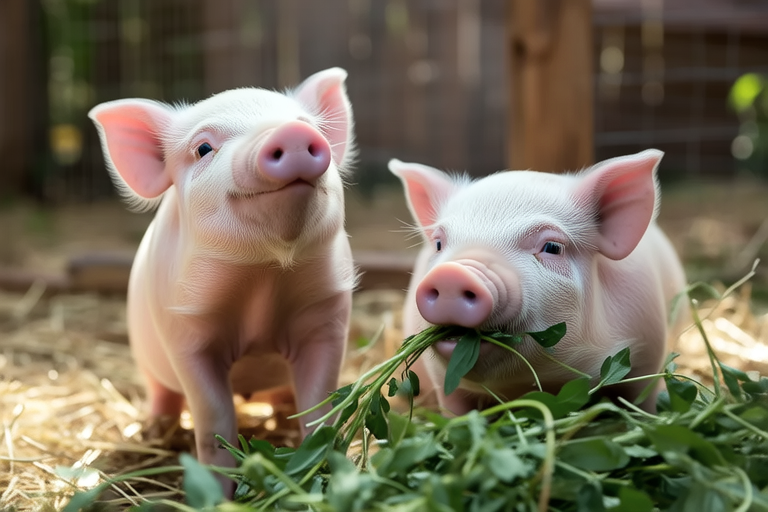
Exploring Guinea Pigs: Behavior, Social Structures, and Care
Guinea pigs, also known as cavies, are popular pets cherished for their gentle demeanor and playful nature. Originating from the Andes Mountains of South America, these rodents have been domesticated for centuries. They are social animals that thrive in groups, making them excellent companions for humans who understand their unique needs.
Vocal Communications
Guinea pigs are highly vocal creatures, utilizing a range of sounds to communicate with each other and their human caretakers. These vocalizations serve various purposes, from expressing fear or distress to conveying happiness or excitement. Some common sounds include:
- Purring: Similar to cats, guinea pigs may purr when they are content or relaxed.
- Barking: A sudden, sharp sound that can indicate surprise, excitement, or a desire for attention.
- Squeaking: This high-pitched sound is often used when the guinea pig is hungry or wants something.
- Chirping: An unusual but fascinating sound that some guinea pigs make, often thought to be an attempt at mimicry or a sign of excitement.
Play Habits and Social Structures
Guinea pigs are social animals that enjoy the company of others. In the wild, they live in colonies where they engage in various activities such as foraging, grooming, and playing. Domestic guinea pigs also benefit from having companions, as it helps reduce stress and loneliness. It’s important to introduce guinea pigs slowly to ensure compatibility, especially if one of them is already living alone.
When playing, guinea pigs may engage in activities like chasing each other, exploring new objects, or investigating their environment. They are curious by nature and enjoy discovering new things. Providing toys and tunnels can stimulate their natural instincts and keep them entertained.
Dietary Needs
Guinea pigs require a balanced diet rich in fiber, vitamins, and minerals. Their digestive systems are designed to process large amounts of hay, which should form the bulk of their diet. High-quality timothy hay is ideal, as it aids in maintaining dental health and provides essential nutrients. Guinea pigs also need fresh vegetables and fruits, particularly those rich in vitamin C, as they cannot produce this vital nutrient on their own. Common safe choices include bell peppers, kale, and strawberries.
It’s crucial to avoid feeding guinea pigs foods that are harmful to them, such as chocolate, caffeine, or avocados. Additionally, while treats are enjoyable, they should be given sparingly to prevent obesity and other health issues.
Health Considerations
Regular veterinary check-ups are essential for keeping guinea pigs healthy. Common health issues include dental problems, respiratory infections, and skin conditions. Early detection and treatment can prevent more serious complications. Signs of illness may include lethargy, loss of appetite, sneezing, or changes in bathroom habits.
To maintain good health, guinea pigs should be provided with clean living conditions, including a spacious cage with proper ventilation and bedding material that does not cause respiratory irritation. Regular cleaning and maintenance of the cage help prevent the buildup of bacteria and other pathogens.
Common Misconceptions About Guinea Pig Care
There are several misconceptions regarding guinea pig care that can lead to improper husbandry practices. One common myth is that guinea pigs can survive on a diet of pellets alone. While pellets provide essential nutrients, they lack the fiber necessary for proper digestion and overall health. Another misconception is that guinea pigs are low-maintenance pets. In reality, they require regular attention, social interaction, and environmental enrichment to thrive.
Enriching Their Environments
To ensure a happy and healthy life for your guinea pig, it’s important to provide them with an enriching environment. This includes:
- Spacious Living Area: A cage that allows ample room for movement and exploration.
- Toys and Tunnels: Items that encourage physical activity and mental stimulation.
- Safe Exploration: Supervised time outside of the cage in a secure area.
- Interactive Play: Spending time with your guinea pig through gentle handling and play.
Creating a stimulating environment not only benefits your pet’s physical well-being but also strengthens the bond between you and your guinea pig.
Understanding Body Language
Learning to read your guinea pig’s body language is key to understanding their needs and emotions. Some common signs include:
- Relaxed Ears: When a guinea pig is calm and content, their ears will be held in a natural position.
- Alert Ears: Perked-up ears may indicate curiosity or alertness.
- Flicking Tail: Rapid tail movements can signal agitation or discomfort.
- Hunched Posture: A hunched back may indicate fear or submission.
By paying attention to these cues, you can better respond to your guinea pig’s needs and create a more harmonious relationship.
The Bond Between Humans and Guinea Pigs
Despite their small size, guinea pigs possess a surprising level of intelligence and affection. They can learn to recognize their owners and respond to their presence. Many owners report that their guinea pigs display distinct personalities, ranging from shy and reserved to outgoing and adventurous. Establishing trust and positive interactions with your guinea pig can deepen the bond between you and your pet.
Training your guinea pig can also enhance the connection. Simple tasks like teaching them to come when called or sit on command can strengthen the bond and provide mental stimulation. However, patience and consistency are key when training these sensitive animals.
Tips for New Owners
If you’re new to owning guinea pigs, here are some tips to get you started:
- Research Thoroughly: Before bringing home your new pet, familiarize yourself with their care requirements and common health issues.
- Choose Compatible Companions: If you plan to have multiple guinea pigs, ensure they are of the same sex to prevent breeding and choose compatible pairs.
- Provide Proper Housing: Ensure your guinea pigs have a spacious, comfortable living area with adequate ventilation and bedding.
- Establish a Routine: Set a consistent schedule for feeding, cleaning, and playtime to create a stable environment for your pets.
By following these guidelines and providing loving care, you can ensure a rewarding experience with your guinea pig companion.
