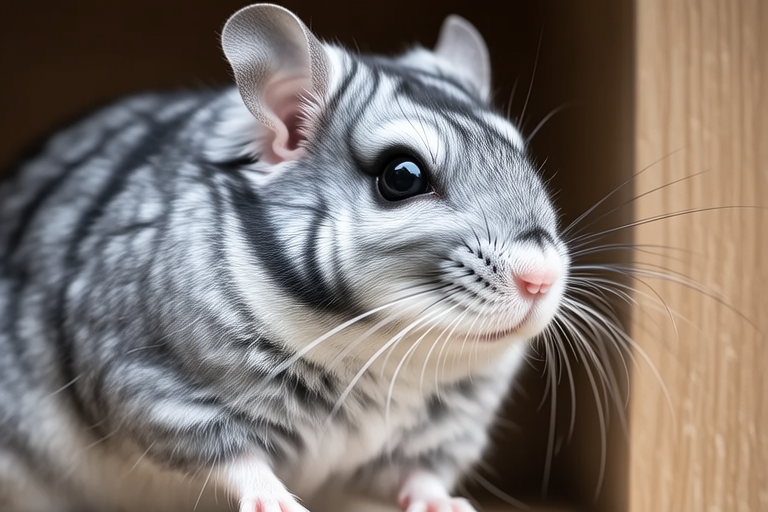
Top 10 Myths About Chinchillas You Need to Know
Welcome to our guide on chinchillas! These adorable, fluffy rodents have gained popularity as pets due to their unique appearance and gentle nature. However, there are several myths surrounding these creatures that can lead to misunderstandings and improper care. In this article, we’ll debunk ten common myths about chinchillas and provide you with valuable tips for their proper care.
Myth 1: Chinchillas Don’t Require Much Attention
Debunking the Myth: While chinchillas are independent animals, they still need attention from their human companions. They are social creatures that enjoy interaction and can become lonely if left alone for extended periods. It’s important to spend time with your chinchilla daily, whether through playtime or simply sitting nearby.
Tips for Proper Care: Spend at least 30 minutes a day interacting with your chinchilla. Provide toys and activities to keep them mentally stimulated. Consider adopting two chinchillas to ensure they have companionship.
Myth 2: Chinchillas Are Easy to Housebreak
Debunking the Myth: Chinchillas are clean animals and will naturally use a litter box when properly trained. However, housebreaking them can take time and patience. Consistency is key in training them to use a specific area for elimination.
Tips for Proper Care: Place the litter box in a corner of the cage where they usually go. Clean the litter box regularly and praise your chinchilla when they use it correctly.
Myth 3: Chinchillas Can Be Fed Any Type of Pellets
Debunking the Myth: Not all pellets are created equal. Chinchillas require a diet specifically formulated for their nutritional needs. Generic rodent food or pellets designed for other animals may lack essential nutrients or contain harmful ingredients.
Tips for Proper Care: Purchase high-quality chinchilla pellets from a reputable source. Supplement their diet with fresh hay, water, and occasional treats like raisins or pellets made specifically for chinchillas.
Myth 4: Chinchillas Don’t Need Regular Grooming
Debunking the Myth: Chinchillas have dense fur that requires regular grooming to prevent matting and skin issues. Dust baths are essential for maintaining their coat health, but overuse can be detrimental. A dust bath once or twice a week is sufficient.
Tips for Proper Care: Provide a shallow container filled with chinchilla dust for them to roll in. Monitor the duration of their dust baths to avoid over-dusting.
Myth 5: Chinchillas Can Be Kept in Small Cages
Debunking the Myth: Chinchillas are active animals that need ample space to move around and exercise. A small cage can lead to stress, obesity, and other health problems. The cage should be large enough to allow for running, climbing, and playing.
Tips for Proper Care: Invest in a spacious cage with multiple levels. Ensure there is enough room for a wheel, toys, and a litter box. The minimum size for a single chinchilla is 24″ x 24″ x 36″, but larger is always better.
Myth 6: Chinchillas Can Live Outdoors
Debunking the Myth: Chinchillas are native to the Andes Mountains and thrive in cool, dry climates. Extreme temperatures, especially heat, can be dangerous for them. Keeping a chinchilla outdoors exposes them to temperature fluctuations and predators.
Tips for Proper Care: Keep your chinchilla indoors in a climate-controlled environment. Maintain a temperature between 60°F and 70°F (15°C to 21°C) and humidity below 50%. Use air conditioning during hot weather and heating pads or blankets during cold spells.
Myth 7: Chinchillas Can Be Housed With Other Pets
Debunking the Myth: Chinchillas are delicate creatures that can easily become stressed or injured by other pets, even those considered gentle. Their small size makes them vulnerable to attacks from dogs, cats, or even birds.
Tips for Proper Care: Always keep your chinchilla in a separate room from other pets. If you must have them in the same household, supervise interactions closely and consider keeping the chinchilla in a secure enclosure.
Myth 8: Chinchillas Can Eat Anything
Debunking the Myth: Chinchillas have sensitive digestive systems and should only eat foods specifically designed for them. Human snacks, fruits, vegetables, and seeds can upset their stomachs or cause blockages. Stick to their regular diet of pellets, hay, and water.
Tips for Proper Care: Offer chinchilla-safe treats sparingly. Never feed them anything that isn’t specifically designed for chinchillas. Consult with a veterinarian before introducing new foods.
Myth 9: Chinchillas Don’t Need Toys
Debunking the Myth: Like all animals, chinchillas need mental and physical stimulation to stay healthy and happy. Providing toys helps prevent boredom and encourages natural behaviors such as chewing and climbing.
Tips for Proper Care: Choose safe, sturdy toys that promote activity. Rotate toys periodically to maintain interest. Look for items that encourage chewing, climbing, and exploration.
Myth 10: Chinchillas Are Noisy
Debunking the Myth: Chinchillas are generally quiet animals, making soft sounds like chirps, squeaks, and purrs. While they can make noise when excited or distressed, they are not typically noisy pets. Their quiet demeanor makes them ideal for apartments and homes where noise is a concern.
Tips for Proper Care: Pay attention to your chinchilla’s vocalizations to understand their needs. Chirping can indicate excitement or distress, while purring suggests contentment. Address any unusual or persistent noises by consulting a veterinarian.
In conclusion, understanding the truth behind these common myths about chinchillas is crucial for providing them with the best possible care. By debunking these misconceptions and following the provided tips, you can ensure that your chinchilla lives a long, healthy, and happy life. Remember, chinchillas are unique and require special attention to thrive. With the right knowledge and care, you can enjoy a wonderful relationship with these charming little creatures.
