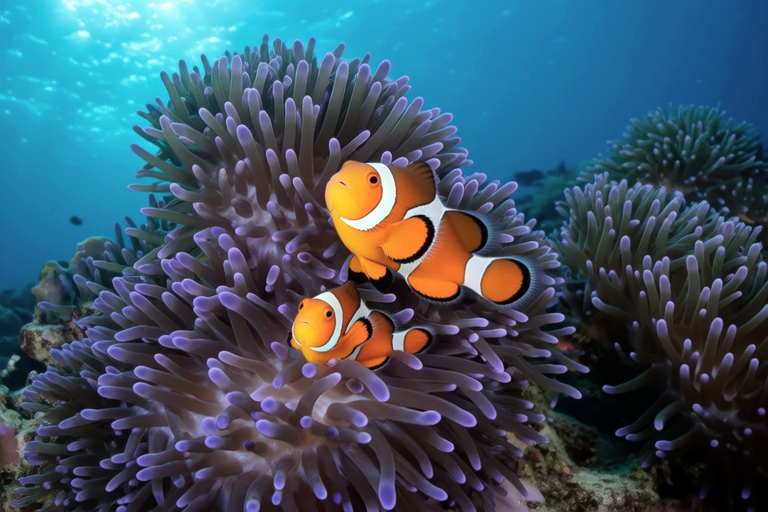
How Clownfish Thrive in Their Anemone Homes and Why It Matters
The vibrant coral reefs of our oceans are home to a fascinating array of creatures, each playing a unique role in maintaining the delicate balance of this underwater ecosystem. Among these is the clownfish, known for its striking orange and white stripes and its close association with sea anemones. This relationship is one of nature’s most remarkable examples of symbiosis, where both species benefit from each other’s presence. In this article, we will explore the intricate bond between clownfish and sea anemones, the advantages it provides to both parties, and the critical role this relationship plays in the health of coral reefs.
The Symbiotic Relationship Between Clownfish and Sea Anemones
The relationship between clownfish and sea anemones is a classic example of mutualism, a type of symbiosis where both species benefit from the interaction. The clownfish, also known as anemonefish, live among the tentacles of sea anemones, creating a home that provides them with safety and sustenance. Sea anemones, on the other hand, are cnidarians, related to jellyfish and corals, known for their stinging cells called nematocysts, which they use to capture prey and deter potential predators.
Protection from Predators
One of the primary benefits for the clownfish is the protection provided by the anemone’s tentacles. The tentacles of sea anemones are lined with thousands of nematocysts, which can inject venom into any creature that comes too close. However, clownfish have developed a unique adaptation that allows them to live safely among these deadly tentacles. The clownfish’s mucus coating contains a chemical that prevents the anemone from detecting the fish as prey, thus avoiding triggering the nematocysts. This adaptation not only protects the clownfish from harm but also deters larger predators from attacking the fish. As a result, the clownfish enjoys a safe haven from numerous oceanic threats.
Increased Access to Food Sources
In addition to protection, living among anemones provides clownfish with greater access to food sources. The tentacles of sea anemones attract small fish and crustaceans, which become easy targets for the clownfish. Furthermore, the anemones themselves feed on plankton and detritus, and any leftovers or waste products can serve as additional food for the clownfish. This proximity to a constant supply of food helps ensure the clownfish have enough energy to maintain their active lifestyle.
Mutualistic Benefits for Sea Anemones
While the clownfish derive significant benefits from their relationship with sea anemones, the anemones also gain from the presence of clownfish. One of the key advantages for the anemone is the improved circulation of water around their tentacles. The constant movement of the clownfish within the anemone’s tentacles helps to stir up the water, bringing in fresh nutrients and oxygen. This increased water flow is crucial for the anemone’s respiration and feeding processes, ensuring they can efficiently obtain the resources they need to thrive.
Chemical Signals and Protection from Stings
The relationship between clownfish and sea anemones is further enhanced by the exchange of chemical signals. Clownfish secrete a protective mucus layer that contains specific compounds which inhibit the activation of the anemone’s nematocysts. This mucus acts as a shield, preventing the clownfish from being stung by the anemone’s tentacles. Over time, the clownfish’s mucus becomes more effective at neutralizing the anemone’s defensive mechanisms, allowing the fish to move freely among the tentacles without fear of injury. This adaptation is the result of a long evolutionary process, during which both species have developed specialized traits to maximize their mutual benefits.
Ecological Significance Within Coral Reefs
The clownfish-anemone relationship plays a vital role in the overall health and functioning of coral reef ecosystems. Coral reefs are among the most diverse and productive ecosystems on Earth, providing habitat for countless species of fish, invertebrates, and other marine organisms. Clownfish and their anemone homes contribute to the biodiversity of these reefs by serving as a refuge for other small fish and invertebrates. Additionally, the clownfish help to keep the anemones clean by removing debris and parasites, which promotes the anemone’s health and longevity. This, in turn, supports the stability of the entire reef system.
Implications of Threats to Coral Reefs
The delicate balance of coral reef ecosystems is under threat from various environmental factors, including climate change, pollution, and overfishing. These threats not only affect the physical structure of the reefs but also disrupt the complex web of interactions between the species that call these reefs home. For clownfish and their anemone partners, the loss of suitable habitats could lead to a decline in their populations, as well as a breakdown in the mutualistic relationship that has evolved over millions of years. Consequently, the broader marine ecosystem would suffer, potentially leading to cascading effects throughout the food chain.
As we continue to learn more about the intricate relationships within marine ecosystems, it becomes increasingly clear that the survival of one species is often intertwined with the survival of others. Protecting coral reefs and the myriad of life they support is not just about preserving beauty; it is about safeguarding the future of our planet’s oceans. By understanding and appreciating the symbiotic relationship between clownfish and sea anemones, we can better appreciate the complexity and fragility of the marine environment and work towards ensuring its continued health and vitality.
