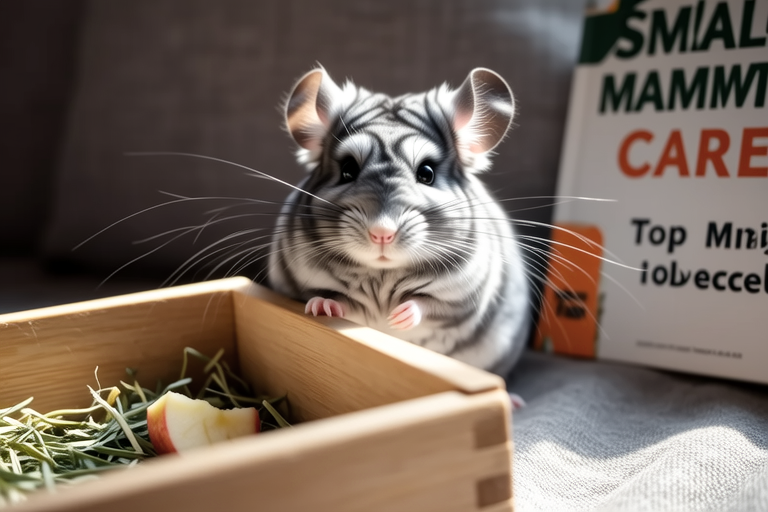
Top 10 Myths Debunked About Owning a Chinchilla
Owning a chinchilla can be an incredibly rewarding experience, but it’s important to separate fact from fiction when considering or caring for these unique pets. This article aims to debunk ten common myths about chinchillas, providing you with accurate information to ensure your pet lives a healthy and happy life.
Myth 1: Chinchillas Are Low-Maintenance Pets
Debunking: While chinchillas may seem like low-maintenance pets due to their small size, they actually require quite specific care. These animals are native to the Andes Mountains, where they live in cool, dry climates. In captivity, chinchillas need environments that mimic these conditions, which means maintaining a consistent temperature of around 64 to 70 degrees Fahrenheit (18 to 21 degrees Celsius). Additionally, chinchillas have a dust-bathing habit that is crucial for their health, requiring regular access to dust baths. Proper diet, consisting mainly of hay, pellets, and fresh water, also plays a significant role in their well-being.
Myth 2: Chinchillas Can Live in Small Cages
Debunking: Chinchillas are highly active and need ample space to move around freely. A cage that is too small can lead to stress and health issues. Ideally, the cage should be at least 3 feet wide, 2 feet deep, and 2 feet high for one chinchilla, with additional space for each additional chinchilla. The cage should include multiple levels, allowing them to jump and explore, as they are naturally agile and enjoy climbing.
Myth 3: Chinchillas Don’t Need Social Interaction
Debunking: Contrary to popular belief, chinchillas are social creatures that benefit from interaction. They thrive in pairs or groups, provided they are properly introduced. Regular handling and gentle playtime can strengthen the bond between you and your chinchilla. However, it’s important to approach them calmly and avoid sudden movements, as chinchillas can be easily startled.
Myth 4: Chinchillas Can Eat Any Type of Hay
Debunking: Not all types of hay are suitable for chinchillas. Timothy hay is generally recommended because it is rich in fiber and low in calcium, which helps prevent bladder stones. Alfalfa hay, while nutritious, is too high in calcium and should only be fed sparingly to young chinchillas or those needing extra nutrients due to illness. Fresh vegetables and fruits should be offered in moderation, as they can cause digestive upset if overfed.
Myth 5: Chinchillas Only Need Dust Baths Once a Week
Debunking: Chinchillas rely on dust baths to keep their dense fur clean and free from parasites. It is recommended that they take dust baths for about 15 minutes every day. The dust used should be specifically formulated for chinchillas and kept dry. Overbathing can strip natural oils from their fur, so it’s important to monitor the duration and frequency carefully.
Myth 6: Chinchillas Are Nocturnal and Don’t Require Sleep
Debunking: Although chinchillas are primarily nocturnal, they still need adequate sleep. Providing a quiet, dark environment during their sleeping hours is essential. Their sleep patterns can be disrupted by loud noises or excessive light, leading to stress and potential health issues. Ensuring they have a comfortable resting area within their cage can help them get the rest they need.
Myth 7: Chinchillas Don’t Need Toys
Debunking: Chinchillas are intelligent and curious animals that benefit greatly from environmental enrichment. Providing toys such as chew sticks, tunnels, and puzzle feeders can stimulate their minds and prevent boredom. This mental stimulation is crucial for their overall well-being and can reduce the risk of behavioral problems like chewing on cage bars.
Myth 8: Chinchillas Are Easy to Train
Debunking: While chinchillas can learn simple commands and tricks, they are not as easily trainable as some other pets like dogs or birds. Training sessions should be short and positive, using treats as rewards. Patience is key, as chinchillas respond better to gentle encouragement rather than forceful methods. Training can help build trust and strengthen the bond between you and your pet.
Myth 9: Chinchillas Are Suitable for First-Time Pet Owners
Debunking: Due to their specific care requirements and sensitive nature, chinchillas are not ideal pets for first-time owners. They require a dedicated owner who is willing to invest time in learning about their care and providing a suitable environment. If you’re new to pet ownership, it might be wise to start with a more adaptable species before considering a chinchilla.
Myth 10: Chinchillas Are Expensive to Maintain
Debunking: While the initial cost of purchasing a chinchilla and setting up its habitat can be significant, ongoing maintenance costs are relatively low. Basic supplies such as food, bedding, and toys are available at pet stores and online retailers. Regular veterinary check-ups and vaccinations are necessary, but many routine expenses can be managed with proper care and attention to your chinchilla’s health.
In conclusion, owning a chinchilla can be a fulfilling experience, but it requires understanding their unique needs and dispelling common myths. By providing a stimulating, safe, and appropriately cared-for environment, you can ensure your chinchilla leads a long and healthy life. Remember, the joy and companionship these animals bring are well worth the effort and commitment required.
