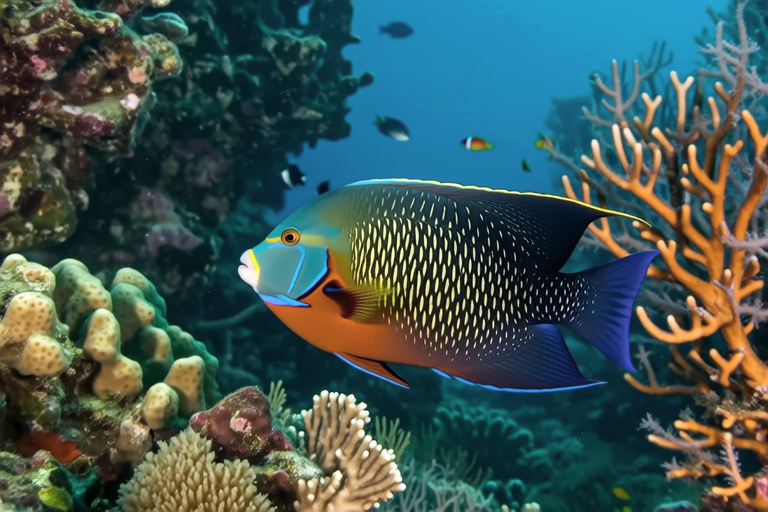
Parrot Fish Conservation: Why It Matters More Than Ever
In the vibrant underwater world of coral reefs, one group of fish stands out for its vital role in maintaining these delicate ecosystems: the parrot fish. These colorful creatures, with their beak-like mouths, play an essential part in shaping the health of coral reefs, which are home to a quarter of all marine species. As we face increasing environmental challenges, the conservation of parrot fish has never been more crucial. This article delves into why these fish matter, the threats they face, and what we can do to protect them.
The Critical Role of Parrot Fish in Coral Reef Ecosystems
Parrot fish are known for their unique feeding habits. They graze on algae that grow on coral reefs, preventing it from overwhelming and smothering the corals beneath. By keeping algae under control, parrot fish help maintain the balance between algae and coral, ensuring that the coral can thrive. Without this natural regulation, reefs could become dominated by algae, leading to a significant loss in biodiversity.
Moreover, parrot fish contribute to reef structure through their feeding process. As they bite off pieces of coral to eat the algae, their teeth grind down the coral skeletons, producing sand. Over time, this contributes to the formation of beaches and islands. In fact, it’s estimated that parrot fish produce up to 80% of the sand in some tropical island regions. Their role in creating new habitats further underscores their importance in marine ecosystems.
Threats Facing Parrot Fish Populations
Despite their significance, parrot fish populations are under threat. One of the most pressing issues is overfishing. Many species of parrot fish are highly sought after for their meat, leading to unsustainable fishing practices. In some areas, parrot fish populations have declined by as much as 90%, according to recent scientific studies. This not only impacts the fish themselves but also the entire reef ecosystem they help sustain.
Habitat destruction is another major concern. Coastal development, pollution, and climate change are all contributing factors. As human activity encroaches upon coastal areas, it leads to increased runoff and sedimentation, which can smother coral reefs. Additionally, rising sea temperatures due to global warming cause coral bleaching, a phenomenon where corals expel the algae living in their tissues, often leading to death if conditions don’t improve.
The Impact of Declining Parrot Fish Populations
The decline of parrot fish has far-reaching consequences. When their numbers drop, the balance within coral reef ecosystems shifts, allowing algae to take over. This can lead to a decrease in coral cover, which in turn affects the numerous species that rely on healthy reefs for shelter and food. The loss of biodiversity can disrupt entire food chains, impacting everything from tiny plankton to larger predators like sharks.
Furthermore, the decline of parrot fish threatens coastal protection. Healthy coral reefs act as natural barriers against storms and waves, reducing the impact of extreme weather events on coastal communities. With fewer parrot fish to maintain these reefs, the effectiveness of this natural defense system diminishes, potentially exposing coastal areas to greater risks.
Recent Scientific Studies and Conservation Efforts
Recognizing the importance of parrot fish, scientists and conservationists have been working tirelessly to understand the threats they face and develop strategies to protect them. Recent studies have highlighted the need for sustainable fishing practices and the establishment of marine protected areas (MPAs) where fishing is restricted or prohibited.
One notable initiative is the creation of no-take zones within MPAs. These areas serve as safe havens for parrot fish and other marine life, allowing populations to recover and reproduce without the pressure of fishing. Research conducted in various parts of the world has shown that MPAs can significantly increase parrot fish abundance and improve overall reef health.
Additionally, community-based conservation projects have proven effective in raising awareness about the importance of parrot fish and encouraging local involvement in their protection. By engaging fishermen and coastal communities in sustainable practices, these initiatives aim to create a sense of ownership and responsibility towards marine resources.
Actionable Steps for Individuals and Communities
While large-scale conservation efforts are essential, there are also many actions individuals and communities can take to support parrot fish conservation:
- Educate Yourself and Others: Learn about the importance of parrot fish and share this knowledge with friends, family, and neighbors. Awareness is the first step toward action.
- Support Sustainable Fisheries: Choose seafood products from certified sustainable sources. Look for labels indicating responsible fishing practices and support restaurants and markets that prioritize sustainability.
- Participate in Clean-Up Initiatives: Join beach clean-ups and reduce plastic waste. Less pollution means healthier marine environments for parrot fish and other marine life.
- Advocate for Marine Protected Areas: Encourage local governments and authorities to establish and expand MPAs. These areas provide critical habitats for parrot fish and other marine species.
- Reduce Your Carbon Footprint: Climate change poses a significant threat to coral reefs and the parrot fish that depend on them. By reducing your carbon emissions, you can help mitigate the effects of global warming.
Conclusion
The conservation of parrot fish is not just about saving a single species; it’s about preserving the intricate web of life within coral reef ecosystems. As we continue to face environmental challenges, the need for proactive measures to protect parrot fish and their habitats becomes increasingly urgent. By understanding their critical role and taking action, both individually and collectively, we can ensure the survival of these remarkable creatures and the vibrant ecosystems they maintain.
