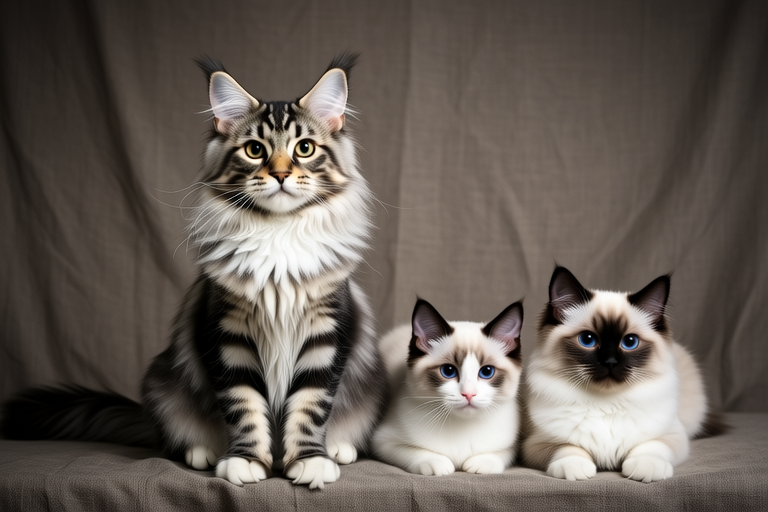
Comparing Maine Coon Cats with Other Popular Breeds
Maine Coon cats have long been admired for their unique combination of size, temperament, and charm. These gentle giants are one of the most popular cat breeds in the world, and it’s easy to see why. In this article, we’ll explore what sets Maine Coons apart from other popular cat breeds, including their size, temperament, grooming needs, health considerations, and history. We’ll also discuss their adaptability to different living environments, intelligence, vocalization, and interaction with children and other pets.
The History of Maine Coon Cats
Maine Coons are one of the oldest natural breeds in North America. Their exact origins remain a mystery, but many believe they arrived in New England with early settlers. Some theories suggest that Maine Coons are descendants of domestic cats bred with raccoons, leading to their name. However, there is no scientific evidence supporting this claim. Instead, experts believe that Maine Coons are the result of breeding between domestic cats and long-haired breeds brought over by European sailors.
Size and Appearance
Maine Coons are known for their large size, making them stand out among other cat breeds. Males typically weigh between 13 to 18 pounds, while females usually range from 9 to 12 pounds. They can reach lengths of up to 40 inches from nose to tail. Their coats are thick and water-resistant, which helps them withstand harsh winter conditions. Maine Coons come in various colors and patterns, including tabby, tortoiseshell, and solid colors.
Temperament and Personality
One of the most striking features of Maine Coons is their friendly and social nature. Unlike some other breeds, they enjoy human companionship and often seek it out. Maine Coons are known for their playful and affectionate personalities, making them excellent family pets. They tend to be patient and tolerant, which makes them great companions for children and other pets. Additionally, Maine Coons are intelligent and trainable, often learning tricks or commands with ease.
Grooming Needs
Despite their luxurious coats, Maine Coons are relatively low-maintenance when it comes to grooming. Their self-grooming habits help keep their coats clean and free of mats. However, regular brushing, especially during shedding seasons, is still recommended to prevent hairballs and ensure a healthy coat. Maine Coons shed moderately throughout the year, with heavier shedding occurring in spring and fall.
Health Considerations
Like all cat breeds, Maine Coons are prone to certain health issues. One of the most common concerns is hip dysplasia, a condition that affects the hip joint. Regular veterinary check-ups and a balanced diet can help manage this condition. Another potential issue is hypertrophic cardiomyopathy, a type of heart disease. Early detection and treatment can improve the quality of life for affected cats. Overall, Maine Coons are generally healthy and long-lived, with an average lifespan of 12 to 15 years.
Adaptability to Different Living Environments
Maine Coons are highly adaptable to various living situations, whether you live in a small apartment or a spacious home. While they enjoy outdoor access, it’s important to provide them with safe areas to explore. Indoor-only cats can still thrive with plenty of vertical space, such as cat trees and shelves, to satisfy their climbing instincts. Maine Coons are also known for their curiosity and love of exploring, so providing mental stimulation through toys and puzzles is essential.
Intelligence and Training
Maine Coons are among the smartest cat breeds, and their intelligence makes them easier to train than many other cats. They can learn simple commands and even perform tricks with positive reinforcement techniques. This level of trainability is rare among felines, and it’s one of the reasons why Maine Coons are often described as “dog-like” in their behavior. Their intelligence also means they can quickly learn the layout of their environment and find ways to entertain themselves.
Vocalization
Many people associate Maine Coons with being vocal, but this isn’t always the case. While some Maine Coons do enjoy communicating with their humans through chirping, trilling, or meowing, others may be quieter. Vocalization in Maine Coons can vary depending on individual personality and environmental factors. If your Maine Coon does become more vocal, it could be a sign that they need attention or are trying to communicate a specific need.
Interaction with Children and Other Pets
Maine Coons are often referred to as gentle giants due to their patient and tolerant nature around children and other animals. They tend to be calm and relaxed, making them ideal companions for families with young children. Maine Coons are also generally good with other pets, including dogs, as long as introductions are done gradually and under supervision. Their size and strength mean they can play rougher than smaller cats, so it’s important to supervise interactions with younger or more delicate pets.
Common Misconceptions
There are several misconceptions about Maine Coons that are worth addressing. One common myth is that they require constant outdoor access. While some Maine Coons do enjoy spending time outside, they can be perfectly happy as indoor-only cats with proper enrichment. Another misconception is that all Maine Coons are hypoallergenic. While some individuals may produce fewer allergens, no cat breed is entirely hypoallergenic. Lastly, some people believe that Maine Coons are less active than other breeds. In reality, they are quite energetic and enjoy playing and exploring.
Comparison with Other Popular Breeds
When comparing Maine Coons to other popular cat breeds, several differences become apparent. For example, Maine Coons are larger than breeds like Siamese or Persian cats. Their size and strength make them more suited for homes with ample space. Maine Coons also tend to be more social and affectionate than breeds like Abyssinians or Burmese cats. Their intelligence and trainability set them apart from less trainable breeds like Russian Blues or American Shorthairs. Finally, Maine Coons are generally healthier than breeds like Ragdolls or Sphynx cats, which are more prone to genetic health issues.
Conclusion
Maine Coon cats are truly remarkable creatures, combining size, temperament, and charm in a way that few other breeds can match. Their friendly and social nature, combined with their intelligence and adaptability, makes them ideal companions for families and individuals alike. While they do require some grooming and attention to health, these gentle giants are well worth the effort. Whether you’re a first-time cat owner or a seasoned pet lover, a Maine Coon could be the perfect addition to your family.
