Unlocking the Mystery: Understanding Bearded Dragon Behavior
Introduction to Bearded Dragons and Their Popularity as Pets
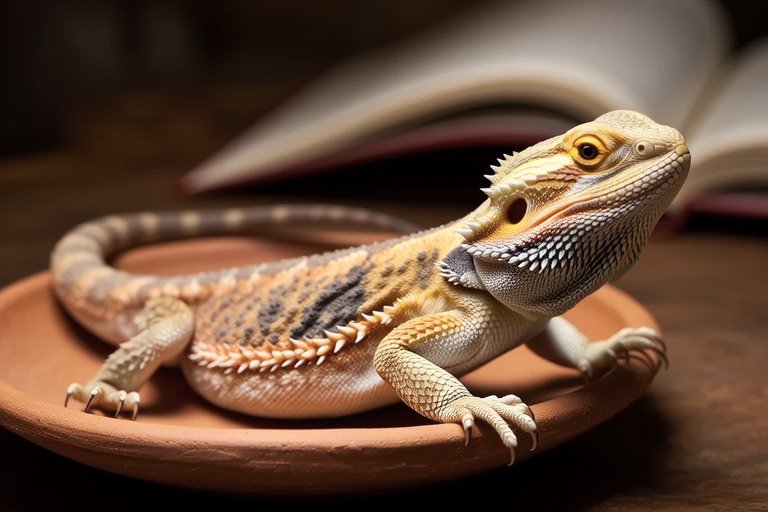
Bearded dragons, scientifically known as Pogona vitticeps, have become one of the most popular pet reptiles in recent years. These charismatic lizards originate from the arid regions of Australia and are known for their docile nature and striking appearance. Their popularity stems from their relatively easy care requirements, combined with their fascinating behaviors that captivate both novice and seasoned reptile enthusiasts.
Understanding bearded dragon behavior is essential for providing them with the best possible care. This article will delve into the various behaviors exhibited by bearded dragons, explaining why they engage in these actions and how to interpret them. Additionally, we’ll discuss how environmental factors influence their behavior and provide tips for owners to ensure their pets lead healthy, comfortable lives.
Key Behaviors: Basking, Head Bobbing, and Arm Waving
Basking: The Quest for Heat
One of the most common behaviors observed in bearded dragons is basking. As ectothermic animals, they rely on external heat sources to regulate their body temperature. Basking allows them to warm up, aiding digestion and overall metabolic function. Owners should provide a basking spot with a temperature range of 95-110°F (35-43°C) under a UVB light to mimic natural sunlight. This helps maintain the lizard’s health and encourages natural behaviors.
Head Bobbing: A Display of Dominance
Head bobbing is another behavior often seen in bearded dragons. Males typically perform this action to assert dominance over other males or to attract females during breeding season. It involves a rapid, up-and-down motion of the head. In a captive environment, head bobbing can also indicate that the dragon is feeling territorial or stressed. Owners should monitor this behavior closely, especially if it occurs frequently or in response to other stimuli in the enclosure.
Arm Waving: A Gesture of Submission or Playfulness
Arm waving, where the dragon raises one front leg slowly in a circular motion, is often interpreted as a sign of submission, particularly towards larger or more dominant individuals. However, it can also be a form of play or a way to attract attention. Female dragons may wave their arms to signal readiness to breed. In captivity, this behavior can be a delightful interaction between the dragon and its owner, indicating a friendly relationship.
Communication Methods and Social Interactions
Bearded dragons communicate primarily through visual and physical cues rather than vocalizations. They use a combination of postures, colors, and movements to convey messages. For instance, when threatened, they may darken their beard and puff it out to appear larger and more intimidating. This is often accompanied by opening their mouths and hissing, which can be startling but is generally not aggressive.
Social interactions among bearded dragons can vary widely. While they are generally solitary animals in the wild, some dragons may tolerate the presence of others, especially if introduced at a young age. However, it’s crucial to monitor any interaction closely to prevent aggression or stress. Providing adequate space and resources can help reduce competition and promote harmonious cohabitation.
Environmental Factors Influencing Behavior
The environment plays a significant role in shaping bearded dragon behavior. Temperature, humidity, lighting, and enclosure size all contribute to their well-being and activity levels. An optimal habitat should include a thermal gradient, allowing the dragon to thermoregulate effectively. Humidity levels should be kept low, around 30-40%, to prevent respiratory issues.
Lighting is equally important. Bearded dragons require UVB light to synthesize vitamin D3, essential for calcium absorption and bone health. Exposure to natural sunlight or appropriate artificial lighting can significantly impact their mood and behavior. Inadequate lighting can lead to lethargy, poor appetite, and weakened immune systems.
Tips for Owners: Interpreting Signs of Health, Stress, or Comfort
Observing your bearded dragon’s behavior can provide valuable insights into its health and well-being. A healthy dragon is active, alert, and shows interest in its surroundings. Regular feeding, proper shedding, and clear eyes are positive indicators. Conversely, signs of illness or stress may include lethargy, loss of appetite, abnormal stool, or excessive hiding.
To ensure your dragon remains healthy and comfortable, maintain a clean and hygienic enclosure, offer a balanced diet, and provide regular veterinary check-ups. Early detection of health issues can prevent complications and improve quality of life.
Creating an Optimal Habitat to Encourage Natural Behaviors
Creating an optimal habitat is crucial for encouraging natural behaviors in bearded dragons. Start by selecting an appropriately sized enclosure that provides ample space for movement and exploration. Include branches, rocks, and plants to create climbing opportunities and hiding spots. These elements stimulate mental and physical exercise, promoting overall well-being.
Additionally, ensure the enclosure mimics the dragon’s natural habitat. Use sand or reptile carpet as substrate, and incorporate a variety of textures and materials to enrich the environment. Provide a shallow water dish for soaking and hydration, and ensure it is easily accessible. By replicating their native environment, you can encourage natural behaviors and enhance your pet’s quality of life.
In conclusion, understanding bearded dragon behavior is key to providing excellent care. By recognizing and responding to their needs, owners can foster a healthy and happy living environment for their scaly companions. Whether you’re a first-time reptile owner or an experienced herpetologist, delving into the world of bearded dragon behavior offers endless fascination and reward.
