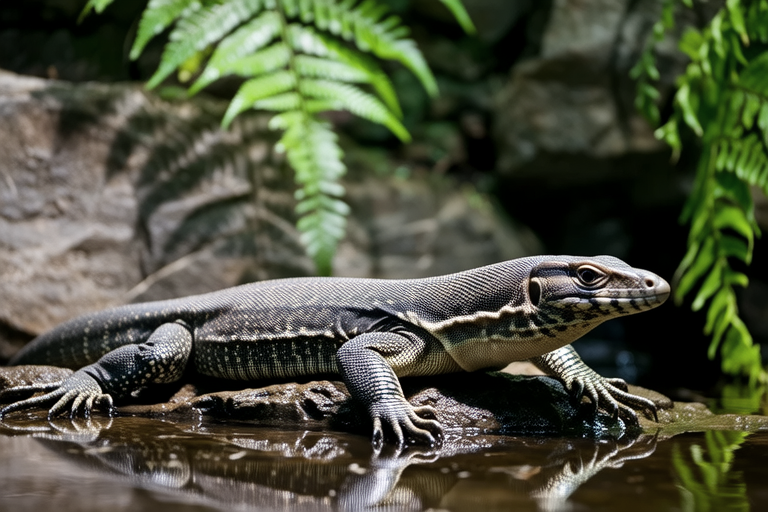
How to Care for a Water Monitor: Tips from Expert Reptile Owners
Water monitors (Varanus salvator) are among the largest lizards in the world, native to Southeast Asia. These intelligent and active creatures make fascinating pets for experienced reptile owners who can provide the specialized care they require. This guide offers expert advice on how to care for a water monitor, covering habitat setup, dietary needs, health care, social behavior, and common challenges of ownership.
Habitat Setup
Creating a suitable environment for your water monitor is crucial for its well-being. These semi-aquatic lizards need ample space to swim, bask, and explore. A large enclosure is necessary; for adults, a minimum of 16 square feet (1.5 square meters) is recommended. The enclosure should have a deep water area that allows the monitor to submerge completely, along with dry land areas for basking and lounging.
The substrate should be non-toxic and easy to clean. Many experts recommend using coconut fiber or cypress mulch, as these materials help maintain humidity levels and are safe if ingested accidentally. Avoid small substrates like sand, which can cause impaction if swallowed.
Adequate lighting is essential. Provide UVB lighting to facilitate calcium absorption and prevent metabolic bone disease. A basking spot with temperatures between 95°F and 105°F (35°C and 40°C) should be available. Nighttime temperatures should remain around 75°F to 85°F (24°C to 29°C). Maintain humidity levels between 70% and 80% to mimic their natural habitat.
Water quality is paramount. Use a filter to keep the water clean and consider a dechlorinator to remove harmful chemicals from tap water. Regular water changes are necessary to ensure a healthy environment.
Dietary Needs
Water monitors are carnivorous, feeding primarily on insects, fish, amphibians, and small mammals in the wild. In captivity, their diet should be varied and nutritionally balanced. Offer a mix of live insects, feeder fish, and occasional rodents. Younger monitors may eat more insects, while adults can consume larger prey items.
Supplement their diet with calcium and multivitamin powders to ensure proper bone development and overall health. Dust their food lightly with these supplements every few feedings. It’s important to avoid overfeeding, as obesity can lead to health issues.
Feed your monitor two to three times a week, depending on age and size. Always supervise feeding to prevent injury to the lizard or yourself. Some monitors may be aggressive during feeding, so handle them carefully.
Health Care
Regular veterinary check-ups are vital for the long-term health of your water monitor. Choose a veterinarian experienced with reptiles to ensure proper care. Monitor for signs of illness, such as lethargy, loss of appetite, or abnormal behavior.
Proper hygiene is key to preventing infections. Clean the enclosure regularly, removing waste promptly. Disinfect the enclosure at least once a month using a reptile-safe cleaner. Pay attention to the water quality and filtration system.
Vaccinations are not typically required for reptiles, but regular deworming is advised. Discuss a deworming schedule with your vet based on your monitor’s specific needs. Additionally, monitor for parasites by examining feces periodically.
Social Behavior
Water monitors are generally solitary animals in the wild, and this behavior translates to captivity. They are not typically social towards humans or other animals, so it’s best to limit handling to avoid stress. However, some monitors can become accustomed to gentle handling over time.
While water monitors are not known for forming bonds with humans, they can learn to recognize their caretakers. Patience and consistency in handling can help build trust. Avoid sudden movements or loud noises around your monitor, as these can cause stress.
Despite their solitary nature, water monitors can exhibit complex behaviors. They are curious and intelligent, often exploring their environment thoroughly. Providing enrichment through toys and puzzles can stimulate their minds and reduce boredom.
Common Challenges of Ownership
Owning a water monitor comes with unique challenges. One of the most significant is the space requirement. These lizards grow quickly and can reach lengths of up to 7 feet (2.1 meters). Ensuring they have adequate living space throughout their lives requires careful planning.
Another challenge is their dietary requirements. Feeding a water monitor can be costly, especially when providing a variety of prey items. Research and budget accordingly. Additionally, some prey items, like feeder fish, may carry parasites that can affect your monitor’s health.
Handling water monitors can also pose risks. Their sharp claws and strong jaws can cause injury, so always exercise caution. Wear protective gear if necessary and never attempt to handle a monitor aggressively.
Legal considerations are another important aspect. Check local regulations regarding exotic pet ownership before acquiring a water monitor. Some regions may have restrictions or require permits for certain species.
Conclusion
Caring for a water monitor is a rewarding experience for those willing to meet the challenges. With proper habitat setup, dietary management, health care, and understanding of their behavior, you can provide a stimulating and healthy environment for your pet. Remember, these are not beginner pets, and extensive research and preparation are necessary. By following the advice of expert reptile owners, you can enjoy the company of one of nature’s most fascinating creatures.
