Top 10 Myths About Persian Cats Debunked!
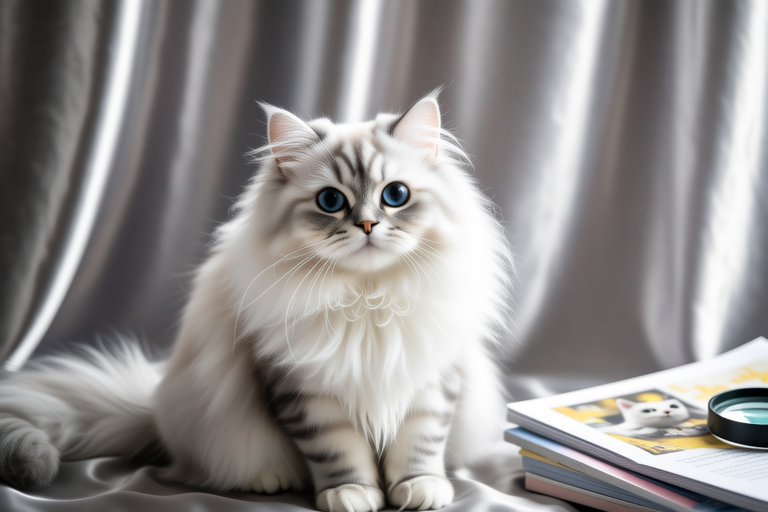
Persian cats have long been adored for their luxurious coats, sweet dispositions, and striking appearance. These felines are among the most popular breeds globally, captivating hearts with their elegance and grace. Persian cats are known for their round faces, large expressive eyes, and plush, flowing coats that come in a variety of colors and patterns. However, like many beloved pets, Persian cats are often surrounded by myths and misconceptions that can lead to misunderstandings about their care and behavior.
In this article, we will explore ten of the most common myths about Persian cats and provide accurate information based on expert opinions and scientific studies to help you better understand these majestic creatures. By dispelling these myths, we aim to offer a clearer picture of what it truly means to own a Persian cat and how to care for them properly.
Myth 1: Persian Cats Require Constant Grooming
The Myth: One of the most widespread beliefs about Persian cats is that they need constant grooming to maintain their luxurious coats. Many people assume that because of their long, thick fur, Persians require daily brushing and frequent visits to professional groomers.
Why It’s Commonly Believed: The misconception likely stems from the fact that Persian cats have a dense, long-haired coat that can easily become tangled or matted if not cared for properly. Additionally, their fur can trap dirt and debris, leading to hygiene concerns.
Debunking the Myth: While Persian cats do have a high-maintenance coat, the idea that they need constant grooming is an exaggeration. According to Dr. Sarah Hartwell, a veterinarian specializing in feline health, Persians typically need brushing two to three times per week to keep their coat healthy and prevent matting. Regular grooming sessions are essential but do not necessarily require daily attention. Using a slicker brush and comb during these sessions can help remove loose hair and prevent tangles effectively.
Myth 2: Persian Cats Are Prone to Obesity
The Myth: Another common belief is that Persian cats are more prone to obesity than other breeds due to their sedentary nature.
Why It’s Commonly Believed: Persian cats are often portrayed as lazy or inactive, leading to the assumption that they are more likely to gain weight compared to more active breeds.
Debunking the Myth: While Persian cats may be less active than some other breeds, they are not inherently more prone to obesity. Obesity in any cat, including Persians, is primarily caused by overfeeding and lack of exercise. Dr. Jane Brunt, a feline specialist, advises that maintaining a balanced diet and ensuring regular playtime can help prevent weight issues. Providing interactive toys and climbing structures can encourage physical activity and keep your Persian cat healthy.
Myth 3: Persian Cats Are Not Good with Children
The Myth: There is a prevalent notion that Persian cats are aloof and not suited for households with children.
Why It’s Commonly Believed: The elegant demeanor of Persian cats might give the impression that they are reserved or standoffish, which could lead to the belief that they do not interact well with children.
Debunking the Myth: In reality, Persian cats can be affectionate and gentle companions for children. They tend to be calm and patient, making them ideal companions for families. However, it’s important to introduce children to the cat gradually and teach them how to handle the cat gently. Proper supervision is key to ensuring both the child and the cat have positive interactions. With appropriate guidance, Persian cats can form strong bonds with children and enjoy their company.
Myth 4: Persian Cats Always Have Health Issues
The Myth: A common belief is that Persian cats are plagued with numerous health problems due to selective breeding practices.
Why It’s Commonly Believed: Over the years, Persian cats have been selectively bred for specific traits such as their flattened faces and long coats, which has led to concerns about potential health issues associated with these traits.
Debunking the Myth: While it’s true that some health issues are more prevalent in Persian cats, these concerns are not universal. Many modern Persian cats are bred with healthier genetic lines to minimize the risk of inherited conditions. Regular veterinary check-ups and responsible breeding practices can significantly reduce the likelihood of health problems. According to the American Association of Feline Practitioners, maintaining a healthy lifestyle, including a balanced diet and regular exercise, can help Persian cats live long, healthy lives.
Myth 5: Persian Cats Are Noisy
The Myth: Some believe that Persian cats are particularly vocal and make a lot of noise.
Why It’s Commonly Believed: The misconception might arise from the fact that some cats of different breeds are known for being vocal, leading to the assumption that all cats, including Persians, share this trait.
Debunking the Myth: Persian cats are generally known for their quiet and calm demeanor. Unlike some other breeds, Persians tend to communicate through body language rather than vocalization. They are less likely to meow frequently or demand attention through noise. This characteristic makes them excellent companions for those who prefer a quieter home environment.
Myth 6: Persian Cats Don’t Like to Play
The Myth: There is a belief that Persian cats are not interested in playing or engaging in interactive activities.
Why It’s Commonly Believed: The perception of Persian cats as calm and sedentary animals might lead to the assumption that they are not playful.
Debunking the Myth: Persian cats can indeed be playful and enjoy various forms of entertainment. Interactive toys, laser pointers, and teaser wands can stimulate their natural hunting instincts and provide mental and physical stimulation. Regular play sessions can help keep your Persian cat engaged and happy. Dr. Elisa Mazzaferro, a certified feline behaviorist, recommends incorporating playtime into your routine to enhance the bond between you and your cat.
Myth 7: Persian Cats Can Only Live Indoors
The Myth: Some believe that Persian cats are only suitable for indoor living due to their delicate nature.
Why It’s Commonly Believed: The misconception might stem from the idea that Persian cats are fragile and need protection from outdoor elements and dangers.
Debunking the Myth: While it is advisable to keep Persian cats indoors due to their vulnerability to outdoor hazards, they can still thrive in indoor environments. Indoor living provides safety from predators, traffic, and other environmental risks. However, indoor living does not mean a lack of enrichment. Creating an enriching indoor environment with climbing structures, scratching posts, and interactive toys can ensure that your Persian cat remains happy and stimulated.
Myth 8: Persian Cats Are Expensive to Own
The Myth: There is a belief that owning a Persian cat is financially burdensome due to their high-maintenance nature.
Why It’s Commonly Believed: The perception of Persian cats as high-maintenance pets, requiring extensive grooming and specialized care, might contribute to the belief that they are expensive to own.
Debunking the Myth: While there are initial costs associated with purchasing a Persian cat and providing necessary grooming tools, the ongoing expenses are manageable with proper planning. Regular grooming, a balanced diet, and routine veterinary care are essential for any cat, not just Persians. By budgeting for these necessities, you can ensure your Persian cat enjoys a healthy and fulfilling life without excessive financial strain.
Myth 9: Persian Cats Are Not Intelligent
The Myth: Some believe that Persian cats are not as intelligent as other breeds.
Why It’s Commonly Believed: The perception of Persian cats as calm and serene might lead to the assumption that they are less intellectually engaged.
Debunking the Myth: Persian cats are indeed intelligent and capable of learning tricks and commands. Their intelligence manifests in different ways, often through problem-solving and understanding their environment. Engaging your Persian cat with puzzle toys and training sessions can showcase their cognitive abilities. According to Dr. Karen Overall, a renowned animal behaviorist, all cats, including Persians, possess the capacity for learning and interacting with their surroundings in meaningful ways.
Myth 10: Persian Cats Are Difficult to Train
The Myth: There is a belief that Persian cats are challenging to train and do not respond well to commands.
Why It’s Commonly Believed: The misconception might arise from the idea that cats, in general, are independent and less trainable compared to dogs.
Debunking the Myth: While cats are known for their independence, Persian cats can be trained with patience and positive reinforcement. Simple commands like “sit” or “come” can be taught using treats and praise. Training sessions should be short and fun to keep your Persian cat engaged and motivated. Consistency and positive reinforcement are key to successful training. Dr. Tony Buffington, a professor of veterinary clinical sciences, emphasizes that training is possible with any cat breed, including Persians, and can strengthen the bond between you and your pet.
Conclusion: Proper Care for Persian Cats
Understanding the unique needs and characteristics of Persian cats is crucial for their well-being. Regular grooming, a balanced diet, and routine veterinary care are essential aspects of caring for a Persian cat. Providing a stimulating indoor environment with toys and climbing structures can also enhance their quality of life. By debunking common myths and focusing on accurate information, you can ensure that your Persian cat thrives in a loving and nurturing home.
Remember, every cat is an individual, and while these guidelines apply broadly, it’s always best to consult with your veterinarian to tailor care to your specific cat’s needs. With the right knowledge and care, you can enjoy a rewarding relationship with your Persian cat for many years to come.
