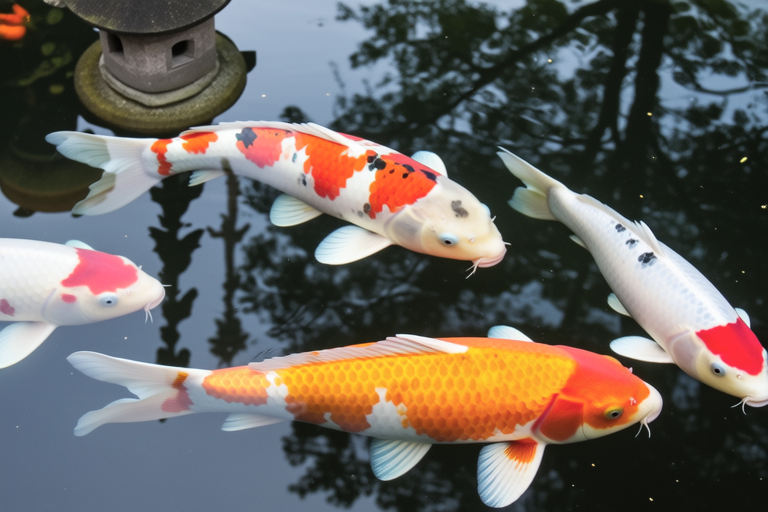
From Pond to Pool: The Majestic World of Koi Fish
Koi fish, with their vibrant colors and graceful movements, have captivated people for centuries. Originating from Japan, these fish hold significant cultural and symbolic importance. This article delves into the fascinating world of koi, exploring their history, physical attributes, breeding practices, and the art of koi keeping.
The Origins and Significance of Koi Fish
Koi fish, scientifically known as Cyprinus carpio, are a domesticated variety of the common carp. Their journey began in the rivers and lakes of East Asia, where they were initially valued for their ability to thrive in various aquatic environments. However, it was in Japan that koi fish truly found their place in the hearts of people, becoming more than just fish; they became symbols of strength, perseverance, and good fortune.
In Japanese culture, koi are deeply intertwined with legends and traditions. One popular legend tells the story of a young man who transformed into a koi after swimming upstream against a strong current. His determination and resilience earned him the respect of gods, who granted him the power to transform back into a human. This tale embodies the spirit of koi, representing the triumph over adversity and the pursuit of one’s goals.
Physical Characteristics of Koi Fish
One of the most striking features of koi fish is their wide range of color variations and patterns. These fish can display an array of hues, from deep reds and oranges to soft yellows and whites, with black, blue, and cream providing additional contrast. The most sought-after koi are those with symmetrical and vivid patterns, such as the Sanke (with red, white, and black), Shibazaki (featuring red and white), and Platinum Ogon (completely metallic gold).
Aside from their coloration, koi fish also exhibit unique physical traits that contribute to their elegance. They possess elongated bodies with large, fan-like tails that allow them to glide gracefully through the water. Their eyes are positioned high on their heads, giving them excellent vision, which is crucial for navigating their aquatic environment.
The History of Koi Breeding
The practice of breeding koi fish has a rich history, marked by several key milestones. Initially, koi were bred primarily for their hardiness and ability to survive in various conditions. Over time, however, breeders began focusing on enhancing their aesthetic appeal. The development of distinct varieties occurred gradually, with selective breeding techniques being refined over generations.
One of the earliest recorded instances of deliberate koi breeding took place in the 18th century when farmers in Japan began selecting fish with desirable traits. By the mid-19th century, koi had become highly prized among the Japanese nobility, and breeding programs became more sophisticated. The introduction of new color combinations and patterns led to the creation of many of the varieties we see today.
The Art of Koi Keeping
Keeping koi fish requires dedication and attention to detail. Creating a suitable environment for these magnificent creatures involves several steps, including pond setup, water quality maintenance, and proper diet.
Pond Setup
Building a koi pond is a rewarding endeavor that requires careful planning. The ideal pond should be at least 18 inches deep, allowing koi to swim comfortably and find shelter. It should also provide ample space for filtration systems, aeration devices, and UV sterilizers to maintain optimal water quality. Additionally, incorporating plants, rocks, and other natural elements can enhance the aesthetic appeal of the pond while providing hiding spots for the fish.
Water Quality Maintenance
Water quality is paramount for the health and well-being of koi fish. Regular testing and adjustment of pH levels, ammonia, nitrite, and nitrate concentrations are essential. A properly functioning filtration system helps remove waste and debris, ensuring clean water. Additionally, maintaining appropriate oxygen levels through aeration and circulation is crucial, especially during warmer months when oxygen demand increases.
Dietary Needs
Feeding koi fish a balanced diet is vital for their growth and overall health. High-quality pellets formulated specifically for koi fish provide necessary nutrients, including proteins, fats, carbohydrates, vitamins, and minerals. During colder months, when koi become less active, their metabolism slows down, and feeding frequency may need to be reduced. In contrast, during warmer periods, increasing the amount of food offered can promote growth and vitality.
Tips for Choosing Healthy Koi and Common Health Issues
When selecting koi fish, there are several factors to consider. Look for fish with bright, clear eyes and smooth, unblemished skin. Their fins should be intact and free from tears or discoloration. Additionally, observe their behavior; healthy koi will swim actively and respond to stimuli in their environment.
Common health issues that koi owners should be aware of include fin rot, bacterial infections, and parasitic infestations. Fin rot, characterized by frayed or discolored fins, can result from poor water quality or aggressive tank mates. Bacterial infections often manifest as sores or ulcers on the body, while parasitic infestations may cause excessive scratching or lethargy. Prompt diagnosis and treatment are essential to prevent the spread of diseases within the pond.
The Serene Beauty and Meditative Qualities of Koi Ponds
There is something undeniably peaceful about watching koi fish gracefully glide through the water. The gentle splashing of their tails and the subtle shifting of colors create a tranquil atmosphere that can help reduce stress and promote relaxation. Many people find solace in spending time near their koi ponds, finding inspiration in the resilience and grace of these magnificent creatures.
Adding koi fish to your outdoor space can transform it into a sanctuary of serenity and beauty. Whether you’re an experienced aquarist or a newcomer to the world of koi, there is much to learn and enjoy. With proper care and attention, these majestic fish can bring years of joy and wonder to your life.
