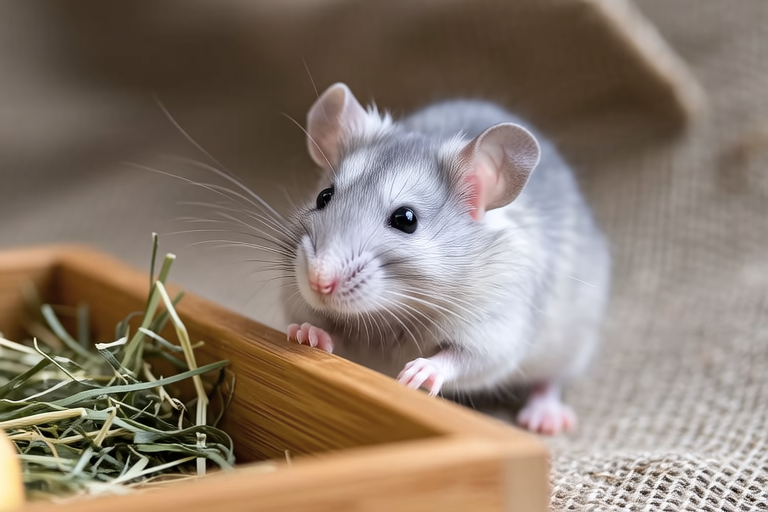
From A to Z: Everything You Need to Know Before Adopting a Chinchilla
Welcome to the wonderful world of chinchillas! These adorable, fluffy creatures have captured the hearts of many pet lovers. Before you bring a chinchilla into your home, it’s crucial to understand their unique needs and care requirements. This comprehensive guide will walk you through everything you need to know about adopting and caring for a chinchilla, ensuring both you and your new furry friend have a happy and healthy life together.
Selecting the Right Chinchilla
Choosing the right chinchilla is the first step towards successful pet ownership. Look for a chinchilla that is active, curious, and alert. Healthy chinchillas have bright eyes, clean ears, and smooth fur. Avoid any animals that appear lethargic, have discharge around their eyes or nose, or show signs of bald patches. If possible, meet the chinchilla at its current home to observe its behavior and interaction with humans.
Understanding Chinchilla Social Needs
Chinchillas are naturally social animals, but they are also quite independent. In the wild, they live in colonies, which means they enjoy the company of other chinchillas. However, they can adapt to living alone if given enough attention from their human companions. It’s important to spend quality time with your chinchilla, offering gentle handling and playtime. This helps build trust and strengthens the bond between you and your pet.
Habitat Setup
A proper habitat is essential for your chinchilla’s well-being. Choose a spacious cage with multiple levels and enough room for your chinchilla to move around freely. The cage should be at least 30 inches wide, 24 inches deep, and 24 inches high for a single chinchilla. Ensure the cage has solid flooring and is lined with soft bedding such as fleece or paper-based substrates. Avoid cedar and pine shavings, as these can irritate a chinchilla’s respiratory system.
Provide plenty of toys and accessories to keep your chinchilla entertained. Chew toys are especially important, as chinchillas have strong teeth that need regular wear. Consider adding tunnels, hammocks, and platforms to create an enriched environment. Also, include a dust bath area where your chinchilla can roll in volcanic ash or fine pumice dust, which is essential for maintaining their coat.
Dietary Needs
Chinchillas have specific dietary requirements to maintain their health. Their diet should consist primarily of hay, fresh water, and commercial chinchilla pellets. Timothy hay is ideal, as it provides essential fiber and aids digestion. Offer fresh, clean water daily, and ensure the water bottle is easy for your chinchilla to access. Pellets should be high-quality and formulated specifically for chinchillas, containing no added sugars or artificial ingredients.
Supplement their diet with small amounts of fresh vegetables like carrots, broccoli, and dandelion greens. Avoid feeding fruits, nuts, seeds, and sugary treats, as these can lead to obesity and dental problems. Introduce new foods gradually to prevent digestive upset. Always monitor your chinchilla’s weight and adjust portion sizes accordingly.
Exercise Requirements
Chinchillas are active animals that require regular exercise to stay healthy. Provide opportunities for supervised play outside of the cage in a safe, enclosed area free from hazards. Allow your chinchilla to explore and play for at least one hour each day. Rotate toys regularly to keep your chinchilla engaged and stimulated. Exercise also promotes mental well-being and reduces stress-related behaviors.
Grooming Tips
Grooming is vital for keeping your chinchilla’s coat healthy and preventing skin issues. Dust baths are the primary method of grooming for chinchillas. Provide a shallow container filled with dust made from volcanic ash or fine pumice, allowing your chinchilla to roll in it for about 10 minutes daily. This helps remove loose hair, dirt, and excess oils from their fur.
Never bathe a chinchilla with water, as their dense fur can retain moisture, leading to skin infections. Regular brushing can help distribute natural oils and remove loose hairs. Use a soft-bristled brush designed for small animals. Be gentle and patient, as some chinchillas may not enjoy being brushed initially.
Common Health Issues
Like all pets, chinchillas can suffer from various health issues. Common problems include dental disease, respiratory infections, and gastrointestinal disorders. Signs of illness may include changes in appetite, unusual droppings, difficulty breathing, or lethargy. Regular veterinary check-ups are essential to catch and address potential issues early.
Preventive care includes maintaining a clean environment, providing a balanced diet, and monitoring your chinchilla’s behavior and physical condition. Consult a veterinarian familiar with exotic pets if you notice any concerning symptoms or changes in your chinchilla’s behavior.
Behavioral Insights
Chinchillas are intelligent and curious creatures with distinct personalities. They can be playful, affectionate, and even mischievous. Understanding your chinchilla’s behavior will help you provide the best care possible. Chinchillas are crepuscular, meaning they are most active during dawn and dusk. Respect their sleep patterns by minimizing disturbances during rest periods.
Training and socialization can enhance your relationship with your chinchilla. Positive reinforcement techniques, such as offering treats and praise, can encourage desirable behaviors. Be patient and consistent when introducing new activities or routines. Over time, your chinchilla will learn to trust and respond to you.
Integrating Your Chinchilla into the Home
Bringing a chinchilla into your home requires careful planning to ensure a smooth transition. Create a quiet, secure space for your chinchilla, away from household noise and activity. Gradually introduce your chinchilla to new surroundings, allowing them to explore at their own pace. Keep other pets away from your chinchilla, as they may view them as prey or feel threatened.
Establish a routine for feeding, cleaning, and playtime to provide a sense of stability. Spend time building trust and bonding with your chinchilla. With patience and consistency, your chinchilla will become a cherished member of your family.
Responsibilities Involved in Chinchilla Ownership
Owning a chinchilla comes with significant responsibilities. Commitment to providing proper care, attention, and enrichment is paramount. Be prepared to dedicate time and resources to ensure your chinchilla’s well-being. Research thoroughly before making the decision to adopt, and consider seeking advice from experienced owners or veterinarians.
Further Learning Resources
To deepen your knowledge and skills in chinchilla care, consider joining online forums, attending workshops, or consulting books and articles written by experts in the field. Local pet stores and veterinary clinics may offer resources and support for new and experienced chinchilla owners alike.
In conclusion, adopting a chinchilla is a rewarding experience that requires dedication and commitment. By following the advice outlined in this guide, you’ll be well-equipped to provide your chinchilla with a loving, enriching environment. Remember, a happy chinchilla is a healthy chinchilla, so prioritize their care and well-being every day.
