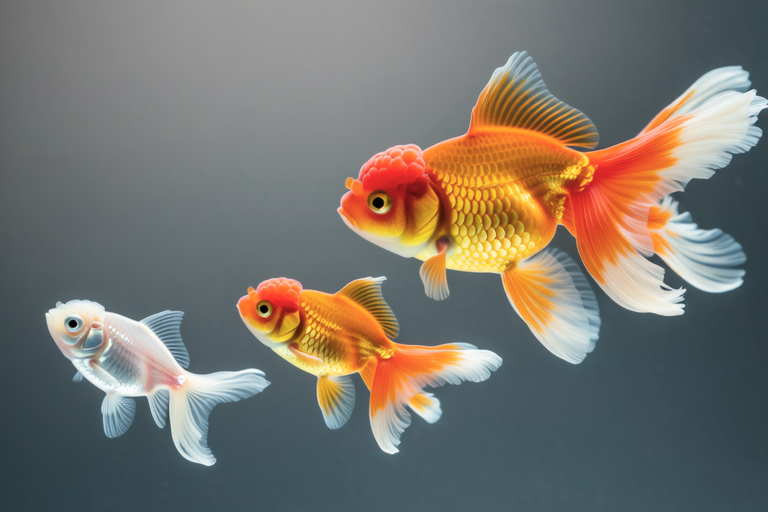
From Tiny Fry to Majestic Swimmer: The Journey of a Goldfish’s Growth Explained
Introduction:
Goldfish are among the most popular pets worldwide, cherished for their vibrant colors and gentle demeanor. Their appeal lies not just in their beauty but also in their resilience and relatively low maintenance requirements. Whether you’re a seasoned aquarist or a first-time fish owner, understanding the lifecycle of a goldfish can greatly enhance your experience. This article delves into the fascinating journey of a goldfish, from its early days as an egg to its final form as a majestic swimmer.
The Lifecycle of a Goldfish: From Egg to Fry
The life of a goldfish begins in the egg stage. These tiny, transparent eggs are typically laid by female goldfish in a communal spawning event. They are usually fertilized externally by male goldfish, who release sperm into the water. Once fertilized, the eggs are sticky and attach themselves to plants or other surfaces in the tank, ensuring they stay submerged and protected.
After approximately one week, the eggs hatch into fry, tiny, translucent creatures that are barely visible to the naked eye. At this stage, the fry are highly vulnerable and require a specific environment to thrive. A separate breeding tank with clean, oxygenated water and ample hiding spots is ideal. The water temperature should be maintained between 68-74°F (20-23°C) to encourage optimal growth.
Diet is crucial for the fry’s survival. Initially, they feed on microscopic organisms found naturally in the water. As they grow, you can introduce specialized fry food or finely ground flake food. Regular water changes and monitoring for signs of disease are essential during this delicate phase.
Growth Stages: Physical Changes and Development
As the fry grow, they undergo significant physical changes. Within the first few weeks, they develop their iconic gold or orange coloring, though some may remain transparent. By about a month old, they have grown noticeably larger and can be moved to a community tank. Around three months, they reach juvenile status, showing more distinct features and colors.
By the time they are six months old, most goldfish have reached their full size, though some varieties, like the comet or shubunkin, can continue growing for several years. Throughout these stages, goldfish develop their unique patterns and colors, becoming the beautiful pets we admire.
Dietary Needs at Different Growth Phases
The dietary needs of goldfish change as they grow. Fry primarily consume microscopic plankton and algae, which can be supplemented with special fry food. As juveniles, they transition to regular fish food, including flakes, pellets, and occasional live or frozen foods like brine shrimp. Adult goldfish benefit from a balanced diet rich in proteins and vegetables, with occasional treats of bloodworms or tubifex worms.
It’s important to avoid overfeeding, as this can lead to poor water quality and health issues. Feeding twice daily, with only what the fish can consume within a couple of minutes, is generally recommended.
Common Health Issues and Prevention
Despite their hardiness, goldfish can face various health issues as they grow. Common problems include fin rot, swim bladder disorders, and ich (a parasitic infection). Fin rot, characterized by frayed or discolored fins, can be prevented by maintaining good water quality and avoiding rough handling.
Swim bladder issues often result from overfeeding or constipation. To prevent these, ensure a varied diet and limit the amount of high-fat foods. Ich, identifiable by white spots on the fish’s body, can be treated with appropriate medications and improved water conditions.
Regular water changes and careful observation of your goldfish’s behavior are key to preventing and addressing health issues promptly.
Maintaining a Healthy Adult Goldfish Environment
Once your goldfish reaches adulthood, maintaining a healthy environment is crucial for their well-being. A spacious tank with ample swimming space, proper filtration, and regular water changes are essential. Decorative elements like plants and rocks provide hiding spots and enhance the tank’s aesthetics.
Adequate lighting and a consistent temperature are also vital. Goldfish prefer cooler temperatures around 68-74°F (20-23°C), so heaters may be necessary in colder climates. Ensuring a stable pH level between 6.5 and 8.0 helps maintain water chemistry suitable for goldfish.
Creating a thriving environment not only ensures your goldfish’s health but also provides endless enjoyment as you watch them grow and flourish. The journey from a tiny fry to a majestic swimmer is truly rewarding, offering a glimpse into the wonders of nature right in your home.
Conclusion
From the delicate egg to the vibrant adult, the lifecycle of a goldfish is a testament to the beauty and resilience of aquatic life. Understanding and nurturing each stage of their growth can significantly enrich the bond between you and your pet. Watching a goldfish transform from a tiny, almost invisible fry into a magnificent swimmer is a rewarding experience that brings joy and satisfaction. With proper care and attention, your goldfish will thrive, providing years of companionship and delight.
