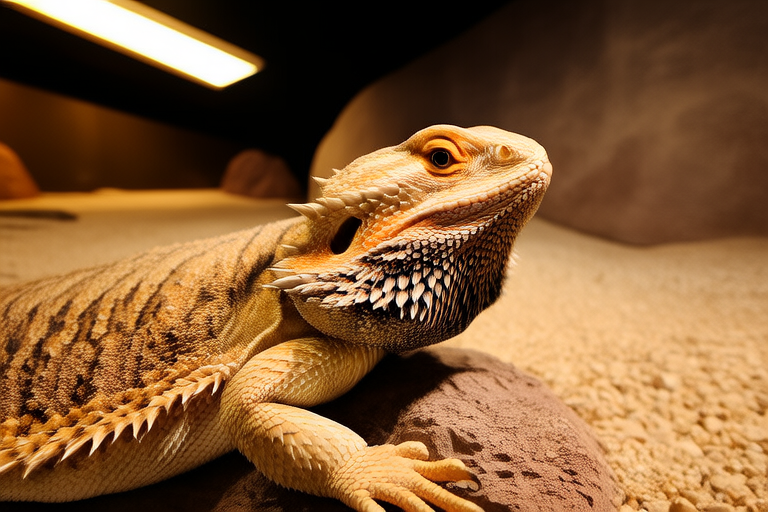
Identifying and Treating Common Health Issues in Bearded Dragons
Bearded dragons are beloved pets known for their unique appearance and relatively low maintenance requirements. However, like all pets, they can suffer from various health issues that require attentive care from their owners. This guide will help you identify and treat common health problems in bearded dragons, ensuring your pet stays healthy and happy.
Basic Health Checks for Owners
Regular health checks are crucial for maintaining the well-being of your bearded dragon. Familiarize yourself with your pet’s normal behavior and physical characteristics so you can quickly notice any changes. Daily observations should include checking the dragon’s appetite, activity levels, and stool consistency. Additionally, monitor the dragon’s weight and ensure it maintains a healthy body shape without becoming too thin or obese. By staying vigilant, you can catch potential health issues early and address them promptly.
Recognizing Signs of Dehydration
Dehydration is a common issue in bearded dragons, especially if they don’t have access to fresh water or if the humidity level in their enclosure is too low. Symptoms of dehydration include sunken eyes, wrinkled skin, and lethargy. In severe cases, the dragon may stop eating and show signs of weakness. To prevent dehydration, always provide clean, fresh water in a shallow dish. You can also mist the enclosure regularly to increase humidity. If you suspect dehydration, soak the dragon in lukewarm water for 15 minutes twice daily. However, if the condition persists, consult a veterinarian as soon as possible.
Treating Metabolic Bone Disease (MBD)
Metabolic Bone Disease (MBD) is a serious condition caused by calcium deficiency or an imbalance between calcium and phosphorus in the diet. It can lead to weakened bones, fractures, and even paralysis. Early signs of MBD include swelling around the jaw, tremors, and difficulty moving. To prevent MBD, ensure your dragon’s diet includes a balanced mix of calcium-rich foods such as leafy greens, insects, and commercial supplements. Avoid overfeeding phosphorus-rich foods like spinach and kale. If you notice symptoms, take your dragon to a vet immediately for diagnosis and treatment. The vet may prescribe calcium supplements or recommend dietary changes.
Respiratory Infections
Respiratory infections are another common issue in bearded dragons, often caused by poor hygiene, improper temperature gradients, or stress. Symptoms include wheezing, nasal discharge, swollen eyelids, and lethargy. If left untreated, these infections can lead to more severe complications. To prevent respiratory infections, maintain optimal temperature and humidity levels in the enclosure, clean the habitat regularly, and avoid overcrowding. If your dragon shows signs of infection, consult a veterinarian who may prescribe antibiotics or other treatments. Home remedies, such as keeping the enclosure warm and humid, can help alleviate symptoms while waiting for professional advice.
Impaction
Impaction occurs when a bearded dragon ingests substrate, rocks, or other indigestible materials, causing blockages in the digestive tract. Symptoms include loss of appetite, lethargy, bloated abdomen, and straining to defecate. Prevention is key; use appropriate substrate that cannot be ingested, such as paper towels or reptile carpet. If impaction is suspected, contact a veterinarian immediately. They may perform X-rays to confirm the diagnosis and administer enemas or surgery if necessary. Do not attempt home treatments without professional guidance.
Natural, Safe Treatment Options
While some conditions may require veterinary intervention, there are several natural and safe methods to support your bearded dragon’s health:
- Hydration: Soak your dragon in lukewarm water twice daily to help rehydrate it.
- Dietary Adjustments: Increase calcium intake through supplements or food choices to combat MBD.
- Environmental Enhancements: Improve humidity and temperature control to prevent respiratory infections.
- Gut Loading: Feed feeder insects a nutritious diet before offering them to your dragon to enhance nutrition.
Always prioritize professional care when dealing with serious health issues.
Preventive Measures and Tips for Maintaining a Healthy Environment
Maintaining a healthy environment is essential for preventing many health issues in bearded dragons. Here are some tips:
- Proper Nutrition: Provide a balanced diet rich in vitamins and minerals.
- Hygiene: Clean the enclosure regularly and disinfect it periodically.
- Temperature Control: Use thermometers to ensure proper heating and basking areas.
- Humidity Levels: Maintain appropriate humidity levels to prevent dehydration and respiratory issues.
- Stress Reduction: Minimize stress by providing a secure, comfortable environment.
By following these guidelines, you can help ensure your bearded dragon remains healthy and vibrant.
In conclusion, understanding how to identify and treat common health issues in bearded dragons is vital for responsible pet ownership. Regular health checks, proper nutrition, and a suitable living environment are key factors in maintaining your dragon’s well-being. Always seek veterinary advice when necessary, and remember that prevention is often the best approach to managing these conditions. With careful attention and care, your bearded dragon can enjoy a long, healthy life.
