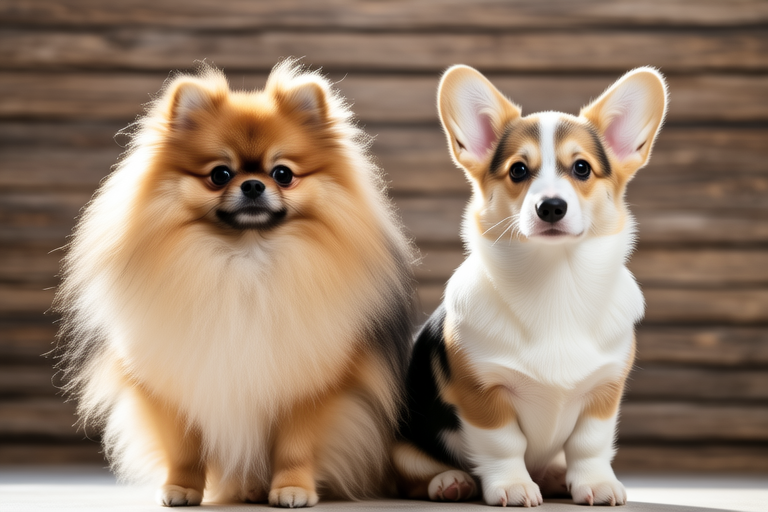
Pomeranians vs Other Breeds: Why These Tiny Terrors Stand Out
When it comes to choosing a canine companion, many people are drawn to the Pomeranian for its charming appearance and lively personality. While there are numerous dog breeds to choose from, Pomeranians stand out with their unique blend of characteristics. In this article, we’ll explore what makes these tiny terrors so special and why they might be the perfect fit for your family.
A Brief History of Pomeranians
The Pomeranian breed has a rich history that dates back to the 18th century. Originally bred in the region of Pomerania, now part of Germany and Poland, these dogs were much larger than today’s version, weighing up to 30 pounds. They were used as herding dogs and were known for their intelligence and loyalty. Over time, they were gradually downsized through selective breeding, eventually becoming the small but mighty Pomeranians we know today.
Queen Victoria of England played a significant role in popularizing the breed. She fell in love with a Pomeranian named Marco during a trip to Italy in 1888. Upon her return, she brought him back to England, where he became a favorite among the royal family. This helped establish the Pomeranian as a fashionable breed, leading to increased popularity across Europe and beyond.
The Unique Size of Pomeranians
One of the most striking features of Pomeranians is their petite size. Typically weighing between 3 and 7 pounds, they are one of the smallest breeds recognized by the American Kennel Club (AKC). Despite their diminutive stature, they carry themselves with confidence, often barking at larger dogs or strangers without hesitation.
This compact size makes them ideal for apartment living or for individuals who prefer a smaller dog. Their small footprint means they require less space and fewer resources than larger breeds. However, their size can also make them more susceptible to certain health issues, such as hypoglycemia and joint problems, which we will discuss later.
Energetic Personalities
Pomeranians are known for their high energy levels and playful dispositions. They have a seemingly endless supply of enthusiasm, making them excellent companions for active families. Whether it’s playing fetch, chasing after toys, or simply running around the house, Pomeranians are always ready for adventure.
While their energy can be a delight, it can also present challenges for some owners. Pomeranians require regular exercise to stay healthy and happy. A daily walk or play session is essential to keep them physically and mentally stimulated. Failure to provide adequate exercise can lead to destructive behavior or excessive barking.
One owner shared, “My Pomeranian, Charlie, never stops moving. He’s always underfoot, chasing after anything that moves. It took some time to find the right balance of playtime and rest, but once we did, he became much calmer and easier to manage.”
Adaptability and Versatility
Pomeranians are highly adaptable and can thrive in various environments. They are just as comfortable in a bustling city apartment as they are in a quiet suburban home. Their adaptability stems from their history as lapdogs and companions, which made them versatile in different settings.
They are also relatively easy to train, although they can be stubborn at times. Consistent positive reinforcement techniques work best when teaching commands or tricks. Many owners report success with clicker training, which rewards desired behaviors with treats and praise.
One notable trait of Pomeranians is their ability to form strong bonds with their human companions. They often develop a deep attachment to one person in the household, sometimes even displaying jealousy if that person pays attention to others. This loyalty can make them excellent watchdogs, as they are quick to alert their owners to any perceived threats.
Loyalty and Affection
Pomeranians are fiercely loyal to their families, often forming strong emotional connections with their owners. They thrive on human interaction and companionship, making them wonderful pets for those who enjoy spending quality time with their dogs.
However, their loyalty can sometimes manifest as possessiveness. Some Pomeranians may become overly attached to one person in the household, showing signs of jealousy or possessiveness when that individual interacts with others. This can be managed through proper socialization and training, ensuring that the dog feels secure and confident in various situations.
For example, Sarah, a Pomeranian owner, noticed that her dog, Max, would bark and growl whenever she tried to pet her husband. After consulting with a trainer, she learned that Max was simply feeling insecure about losing her attention. By incorporating Max into family activities and giving him plenty of individual attention, Sarah was able to help Max overcome his possessiveness and become more comfortable around others.
Common Health Issues
Despite their many positive qualities, Pomeranians are prone to certain health issues that potential owners should be aware of. One of the most common concerns is dental disease. Due to their small mouths and crowded teeth, Pomeranians are at higher risk for developing plaque and tartar buildup, which can lead to gum disease and tooth decay.
Another issue to watch for is tracheal collapse, a condition where the windpipe weakens and collapses, causing breathing difficulties. This can be exacerbated by obesity or excessive excitement. Regular veterinary check-ups and maintaining a healthy weight can help prevent or manage this condition.
Pomeranians are also susceptible to hypoglycemia, especially in younger puppies. This condition occurs when blood sugar levels drop too low, potentially causing weakness, seizures, or even death. Owners should monitor their dogs closely, particularly during periods of fasting or illness, and seek immediate medical attention if symptoms arise.
Comparison with Other Breeds
When comparing Pomeranians to other small breeds like Chihuahuas or Yorkshire Terriers, several key differences emerge. While all three breeds share similar energy levels and loyalty, Pomeranians tend to be more outgoing and sociable. They are generally friendlier towards strangers and other animals, making them better suited for households with children or multiple pets.
In contrast, Chihuahuas and Yorkies can be more aloof or territorial, sometimes requiring more patience and effort to socialize. Additionally, Pomeranians are typically more trainable, responding well to consistent positive reinforcement methods. This makes them easier to teach basic commands and tricks.
Compared to larger breeds, Pomeranians offer a unique combination of traits. While they lack the physical strength of breeds like Labrador Retrievers or German Shepherds, they compensate with their intelligence and adaptability. Their small size makes them easier to transport and manage, while their high energy levels ensure they remain engaged and active.
Conclusion
Pomeranians are truly remarkable dogs with a fascinating history and unique set of characteristics. From their tiny size and high energy to their loyalty and adaptability, they offer something special for every type of owner. While they come with certain health considerations, their many positive qualities make them an excellent choice for those looking for a devoted and spirited companion.
Whether you’re a first-time dog owner or a seasoned pet lover, consider adding a Pomeranian to your family. With proper care and attention, these tiny terrors will bring joy, laughter, and countless cuddle sessions to your life. As always, remember to do thorough research and consult with professionals before bringing a new pet into your home.
