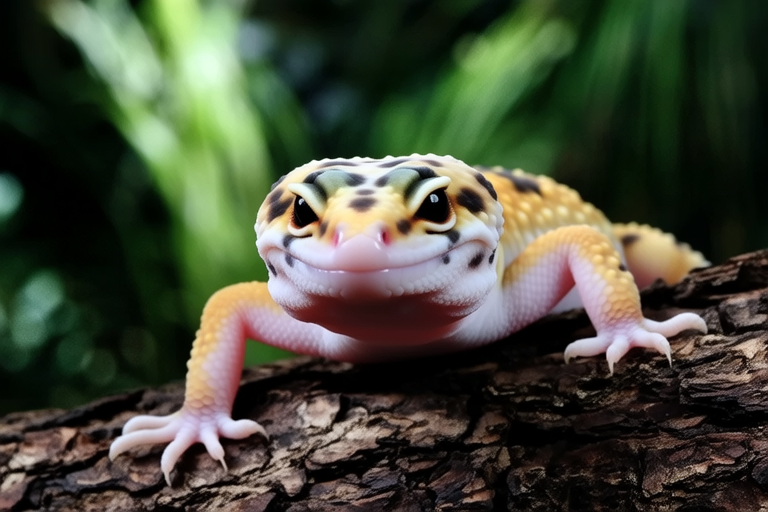
Chameleon Care Made Easy: Tips and Tricks for Happy Pets
Welcome to the wonderful world of chameleon care! These fascinating reptiles can be rewarding pets when provided with the right environment and care. This guide will help you understand the essentials of chameleon care, making it easier for you to enjoy your pet’s company.
Diet: What Do Chameleons Eat?
Chameleons are insectivores, meaning their diet consists primarily of insects. They need a varied diet to ensure they get all the necessary nutrients. Common feeder insects include crickets, dubia roaches, silkworms, and hornworms. It’s important to gut-load these insects with nutritious food before feeding them to your chameleon.
For example, you might feed your crickets fresh vegetables like carrots or kale an hour before offering them to your chameleon. This process, known as gut-loading, ensures that the insects are rich in vitamins and minerals when consumed by your pet.
In addition to live prey, you can offer calcium and vitamin supplements to prevent deficiencies. Dusting the insects with calcium powder once or twice a week and a multivitamin supplement once a month helps maintain your chameleon’s health.
Habitat Setup: Creating a Comfortable Home
Your chameleon’s enclosure should mimic its natural habitat as closely as possible. A vertical tank with ample space is ideal, as chameleons prefer climbing and basking. For a full-grown adult, a minimum of 3 feet (91 cm) in height and 2 feet (61 cm) in width is recommended.
Provide plenty of branches, vines, and plants for your chameleon to climb on. Live plants like Ficus benjamina or Schefflera arboricola are excellent choices as they provide hiding spots and help maintain humidity. Ensure the plants are non-toxic and safe for your pet.
Substrate is not necessary; instead, opt for a bare-bottomed tank to simplify cleaning and reduce the risk of ingestion-related health issues. Additionally, include a water dish and misting system to keep the humidity levels stable.
Temperature and Humidity Requirements
Maintaining the correct temperature and humidity is crucial for your chameleon’s well-being. The ambient temperature should range between 75°F and 85°F (24°C – 29°C), with a basking spot reaching 90°F to 95°F (32°C – 35°C).
To achieve this, use a combination of heat lamps and ceramic heaters. Position the basking lamp so that your chameleon can regulate its exposure to heat by moving closer or further away. Nighttime temperatures can drop slightly, but never below 65°F (18°C).
Humidity levels should be kept between 40% and 70%. Misting systems or automatic foggers are effective tools to maintain the required humidity. Regular misting sessions during the day also encourage your chameleon to drink by lapping up droplets from leaves.
Lighting Needs: Providing UVB and Full-Spectrum Lighting
Chameleons require UVB light to synthesize vitamin D3, which aids in calcium absorption. Without adequate UVB exposure, your chameleon may develop metabolic bone disease. Use a high-quality UVB bulb designed for reptiles, replacing it every six months to ensure effectiveness.
Place the UVB bulb at one end of the enclosure, ensuring it reaches a distance of 12 inches (30 cm) from the basking area. Supplemental full-spectrum lighting is also beneficial for simulating natural daylight cycles and enhancing coloration. Ensure the lights are turned off during nighttime to allow for proper rest.
Handling Tips: How to Safely Interact with Your Chameleon
While chameleons are fascinating creatures, they are generally not fond of being handled. Their wild nature makes them prone to stress if overhandled. When you do handle your chameleon, always support its body fully, avoiding the tail as it may break if grabbed.
It’s best to let your chameleon come to you rather than attempting to catch it. You can gently place your hand near its head and allow it to walk onto your palm. Frequent, gentle interactions can help build trust over time.
Avoid sudden movements and loud noises around your chameleon, as these can cause unnecessary stress. Patience and respect for your chameleon’s boundaries are key to maintaining a positive relationship.
Common Health Issues: Recognizing and Preventing Problems
Like any pet, chameleons can face health issues. Metabolic bone disease (MBD) is a serious condition caused by insufficient calcium or vitamin D3. Signs include lethargy, weak limbs, and difficulty climbing. Ensuring proper supplementation and UVB exposure can prevent MBD.
Respiratory infections are another common issue, often indicated by labored breathing, nasal discharge, or wheezing. Keeping the enclosure clean and maintaining appropriate temperature and humidity levels can help prevent respiratory problems.
Regular veterinary check-ups are essential for early detection and treatment of health issues. Consult a veterinarian experienced with reptiles if you notice any unusual behavior or physical symptoms in your chameleon.
Signs of a Healthy Chameleon: What to Look For
A healthy chameleon displays vibrant colors, active movement, and a good appetite. Its eyes should be clear and alert, and its skin should be smooth without any signs of shedding issues. A healthy chameleon will also have strong, straight limbs and a steady, upright posture.
Monitor your chameleon’s weight regularly using a digital scale. Sudden weight loss or gain can indicate underlying health issues. Additionally, observe its feces for consistency and color. Normal droppings should be firm and dark green or brown.
Conclusion: Enjoying the Journey with Your Chameleon
Caring for a chameleon requires dedication and attention to detail, but the rewards are immense. By following these tips and tricks, you’ll create a thriving environment for your pet, ensuring years of enjoyment and companionship. Remember, patience and knowledge are your best allies in this journey.
With proper care, your chameleon will thrive, offering you a unique glimpse into the captivating world of these remarkable reptiles. Happy chameleon keeping!
