From Royal Palaces to Modern Homes: The Journey of the Persian Cat
The Persian cat, one of the most iconic and beloved feline breeds, has a rich and fascinating history that spans centuries. Known for their luxurious coats and gentle dispositions, these elegant creatures have captured the hearts of many, from ancient royalty to modern pet lovers. This article delves into the origins of Persian cats, their journey from royal palaces to modern homes, and explores their unique physical traits and personalities. Additionally, it highlights the evolution of breeding practices and care techniques, providing insight into the current status and future trends of this enchanting breed.
Historical Origins: A Royal Presence
The Persian cat’s origins trace back thousands of years, with evidence suggesting they were first domesticated in Persia (modern-day Iran). These early cats were likely brought to Europe during the 17th century by travelers and traders, where they quickly became favored among the elite. Persian cats were often found in royal palaces, their regal appearance and docile nature making them ideal companions for kings and queens. Their presence in such high-profile settings helped establish the breed’s reputation for elegance and grace.
One of the earliest mentions of Persian cats in European literature comes from the French naturalist Buffon, who wrote about them in his comprehensive work ‘Histoire Naturelle’ in the mid-18th century. By this time, Persian cats had become well-known throughout Europe, their exotic beauty setting them apart from other domestic cat breeds. Their association with nobility only enhanced their allure, and they were often given as gifts between monarchs and dignitaries.
Physical Characteristics and Temperament
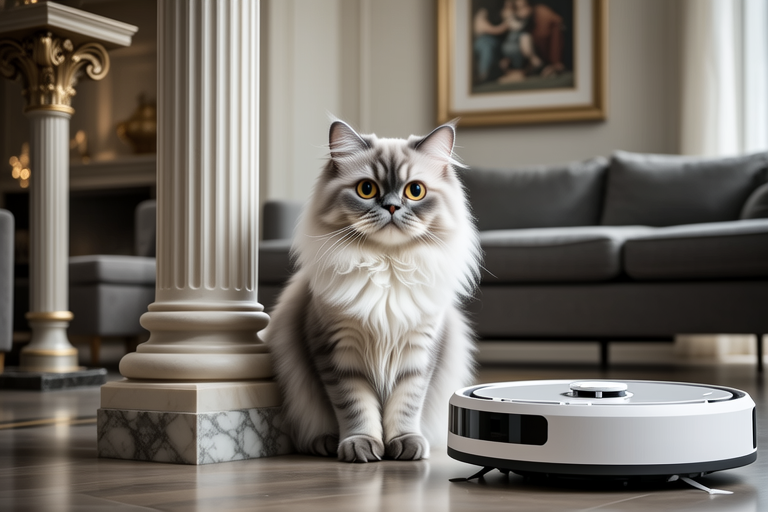
Persian cats are easily recognizable by their long, silky coats and round faces. They have large, expressive eyes and small ears set low on their heads. The breed’s coat can come in a wide variety of colors, including white, black, blue, cream, red, and tortoiseshell. One of the most distinctive features of Persian cats is their thick, plush fur, which requires regular grooming to prevent matting and tangling. Their luxurious coats make them appear almost like walking clouds of fluff.
Besides their striking appearance, Persian cats are known for their calm and affectionate personalities. They are generally quiet and enjoy spending time lounging around the house, often seeking out cozy spots to nap. Persian cats tend to be less active than some other breeds, preferring to conserve their energy and maintain a leisurely pace. This laid-back demeanor makes them excellent companions for those looking for a peaceful and serene atmosphere in their homes.
Despite their relaxed nature, Persian cats are intelligent and can form strong bonds with their human families. They enjoy attention and affection but are not overly demanding, making them suitable for both busy households and quieter environments. Their gentle disposition also means they get along well with children and other pets when introduced properly.
Transition to Popular Pets
The transition of Persian cats from exclusive royal pets to popular household companions began in earnest during the 19th century. As travel and trade expanded, more people gained access to these beautiful animals, and their popularity grew outside of royal circles. Breeders started to take an interest in refining the Persian cat’s physical characteristics, leading to the development of various sub-breeds and variations within the main Persian breed.
In the late 19th and early 20th centuries, cat shows became increasingly popular in Europe and North America, providing a platform for breeders to showcase their Persian cats. These events helped standardize the breed’s appearance and establish breeding practices that would enhance desirable traits. Over time, Persian cats became more widely available, and their popularity continued to grow as they became sought-after pets for people of all backgrounds.
The rise of pet care products and services in the 20th century further contributed to the Persian cat’s transition into mainstream pet ownership. Advances in veterinary medicine, grooming tools, and nutrition made it easier for average pet owners to care for these delicate cats. Today, Persian cats are one of the most popular cat breeds worldwide, cherished for their beauty and temperament.
Changes in Breeding and Care
The breeding of Persian cats has evolved significantly over the centuries, with efforts focused on enhancing their physical attributes while maintaining their health and well-being. Early breeders concentrated on producing cats with longer, denser coats and more pronounced facial features. However, these efforts sometimes led to genetic issues, particularly respiratory problems due to the flattened faces characteristic of many modern Persian cats.
To address these challenges, breeders have developed new lines of Persians, including the traditional Persian and the Peke-faced Persian. The traditional Persian retains the classic look of earlier generations, while the Peke-faced Persian has a shorter, more wrinkled face similar to a Pekingese dog. Both types aim to preserve the breed’s original charm while minimizing potential health risks.
Care for Persian cats has also improved over time, with advancements in grooming techniques and dietary supplements helping to maintain their luxurious coats. Regular brushing is essential to prevent matting and ensure the health of the skin beneath the fur. Many owners also use special shampoos and conditioners designed specifically for long-haired cats to keep their coats soft and shiny. Proper nutrition plays a crucial role in maintaining a Persian cat’s overall health, with breed-specific diets available to support their unique needs.
Current Status and Future Trends
Today, Persian cats continue to be highly regarded as loving and loyal companions. They remain one of the most popular cat breeds, admired for their striking appearance and gentle nature. Despite facing some health challenges, advances in breeding and care have ensured that Persian cats can lead healthy, happy lives.
The future of Persian cats looks promising, with ongoing efforts to improve their health and well-being. Genetic research may provide insights into preventing hereditary conditions, ensuring healthier offspring for future generations. Additionally, there is growing interest in adopting older or less common Persian cats, reflecting a broader trend towards responsible pet ownership.
As society continues to evolve, so too will the role of Persian cats in our lives. Whether they remain cherished family members or find new roles as therapy animals or companions for the elderly, their enduring appeal is likely to endure. With careful breeding and thoughtful care, Persian cats will undoubtedly continue to bring joy and comfort to many homes for years to come.
