How to Be the Perfect Owner for a Chilean Rose Tarantula
Welcome to the world of exotic pets! If you’re considering adopting a Chilean Rose Tarantula, you’ve chosen an intriguing and relatively low-maintenance companion. This article will guide you through the essential aspects of tarantula ownership, ensuring you’re well-equipped to provide the best care for your new friend. From understanding the species to setting up its habitat and maintaining its health, we’ll cover everything you need to know.
Introduction to the Chilean Rose Tarantula
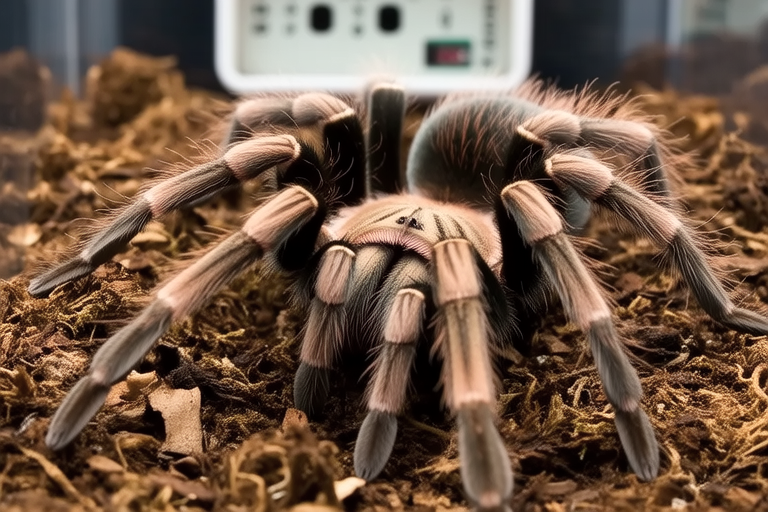
The Grammostola rosea, commonly known as the Chilean Rose Tarantula, hails from the deserts of South America. It’s one of the most popular tarantulas among hobbyists due to its docile nature and manageable size. Adults reach about 4 to 6 inches in length, making them ideal for those who might be intimidated by larger arachnids. They come in various shades of pink, brown, and black, giving them their ‘rose’ moniker.
Chilean Roses are generally calm and can be handled carefully once they’re used to their environment and owner. However, like all tarantulas, they have the ability to flick urticating hairs from their abdomen when threatened, which can cause irritation to skin or eyes. Thus, proper handling and respect for their space are crucial.
Housing Requirements
Creating a suitable home for your Chilean Rose is vital. The enclosure should mimic its natural habitat, offering security and comfort. A glass tank of at least 10 gallons (about 38 liters) is recommended for an adult, though smaller juveniles can start in a 5-gallon tank. Ensure the tank has a secure lid, as these spiders are excellent climbers.
The substrate is another important consideration. Many owners opt for coconut fiber or a mix of peat moss and vermiculite, both of which retain moisture well. Keep the substrate damp but not wet, as excessive moisture can lead to respiratory problems. Add a shallow water dish for hydration, and include hiding spots such as cork bark or small caves to allow your tarantula to feel safe.
Temperature and humidity are also critical. Maintain a temperature between 75°F and 85°F (24°C to 29°C), and a humidity level around 50% to 70%. Use a hygrometer and thermometer to monitor these conditions regularly. Proper heating can be achieved through under-tank heating pads or ceramic heat emitters, ensuring that the heat source is placed on one side of the tank to allow for a thermal gradient.
Dietary Needs
Feeding your Chilean Rose is straightforward but requires attention to detail. In the wild, they consume insects like crickets, grasshoppers, and other small invertebrates. As pets, they thrive on a diet of appropriately sized crickets. Feed adults every 7 to 10 days, while juveniles may need feeding more frequently.
Before feeding, it’s advisable to ‘gut-load’ the crickets with nutritious food, enhancing the nutritional value for your tarantula. Remove any uneaten prey after 24 hours to prevent mold growth and maintain hygiene. Occasionally, supplementing with calcium powder can support overall health, especially during molting.
Handling Tips
Handling your Chilean Rose should always be approached with caution and respect. While they are generally docile, mishandling can lead to stress or injury. Always handle your tarantula gently and only when necessary. To pick it up, use a soft paintbrush or a piece of paper to coax it onto your hand. Support the spider’s body fully, avoiding any sudden movements that could frighten it.
It’s worth noting that tarantulas prefer not to be held, so limit handling sessions to brief periods. Over-handling can cause undue stress, leading to potential health issues. Always wash your hands before and after handling to avoid transferring oils or chemicals that could harm your pet.
Common Health Issues
Like any pet, Chilean Rose Tarantulas are susceptible to certain health issues. One of the most common concerns is dehydration, often indicated by lethargy, sunken appearance, or refusal to eat. Ensuring proper humidity levels and providing fresh water can mitigate these risks.
Molting is a significant part of a tarantula’s life cycle, and improper handling during this time can lead to complications. Before a molt, your tarantula may stop eating and become less active. During molting, the spider will shed its exoskeleton, revealing a new, softer version underneath. Avoid disturbing the spider during this period, and ensure the humidity is slightly higher than usual to aid the process.
Another common issue is regurgitation, where the tarantula vomits its last meal. This can occur if the spider is stressed, ill, or if the prey was too large. Monitor your tarantula’s behavior and consult a veterinarian specializing in exotic pets if regurgitation becomes frequent.
Tips for Creating a Stimulating Environment
To keep your Chilean Rose happy and healthy, it’s important to provide an enriching environment. Besides the basic setup, consider adding climbing structures such as branches or artificial plants to encourage natural behaviors. These additions not only stimulate physical activity but also provide mental stimulation.
Environmental enrichment can also come in the form of varied substrates or textures within the tank. Introducing different materials like silk or soft fabrics can engage your tarantula’s senses and make the enclosure more interesting. Regularly rotating these items keeps the environment novel and exciting.
Finally, observe your tarantula’s interactions with its environment closely. Pay attention to how it responds to changes and adjust accordingly. A well-adjusted tarantula is more likely to thrive, demonstrating healthier eating habits and a more robust immune system.
Conclusion
Becoming a perfect owner for a Chilean Rose Tarantula requires dedication, knowledge, and patience. By understanding their specific needs and providing a nurturing environment, you can ensure your tarantula leads a long and healthy life. Remember, owning a tarantula is a serious commitment that involves ongoing care and attention. With this guide, you’re well on your way to becoming an informed and responsible owner.
