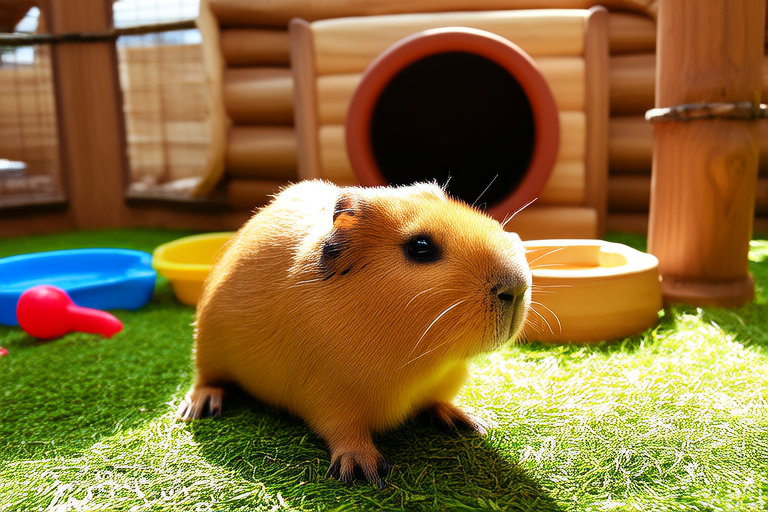
How to Create the Ultimate Play Area for Your Happy Guinea Pig
Guinea pigs are delightful pets that require a stimulating environment to thrive. Creating the perfect play area is crucial for their mental and physical well-being. This comprehensive guide will walk you through selecting the right size and type of play area, choosing essential toys and accessories, ensuring safe materials for bedding and play structures, creating hiding spots and tunnels, ensuring proper ventilation and lighting, and maintaining hygiene in the play area. We’ll also provide tips for stimulating mental and physical health through play and advice on integrating new elements into the existing setup safely.
Selecting the Right Size and Type of Play Area
The first step in creating the ultimate play area for your guinea pig is selecting the appropriate size and type of enclosure. Guinea pigs need ample space to move around freely, so it’s important to choose an enclosure that is large enough for them to stretch out, run, and explore. A minimum size of 7.5 square feet (2×3.5 feet) per guinea pig is recommended for a single animal, with additional space added for each additional pig.
There are several types of enclosures available, including wire cages, plastic exercise pens, and custom-built enclosures. Wire cages offer good ventilation but can be difficult for guinea pigs to climb, while plastic exercise pens provide more stability and are easier to clean. Custom-built enclosures allow for greater customization and can be designed to fit specific needs and preferences.
Essential Toys and Accessories
Toys and accessories are essential for keeping guinea pigs entertained and mentally stimulated. Chewing toys made from safe materials like untreated wood or cardboard help wear down their constantly growing teeth. Tunnel systems and hideouts provide opportunities for exploration and relaxation, while activity wheels or platforms encourage physical exercise. Additionally, providing items such as hay racks, food bowls, water bottles, and litter boxes ensures that your guinea pig has everything they need to stay comfortable and healthy.
Safe Materials for Bedding and Play Structures
Choosing the right bedding material is crucial for maintaining a clean and comfortable living environment for your guinea pig. Avoid cedar and pine shavings, which can irritate sensitive respiratory systems. Instead, opt for soft, dust-free alternatives like paper-based bedding or recycled newspaper products. These materials are gentle on delicate skin and easy to clean.
When selecting play structures, look for options made from non-toxic, durable materials that won’t splinter or break easily. Opt for smooth surfaces without sharp edges or small parts that could pose choking hazards. Consider adding soft blankets or towels for extra comfort during nap times.
Creating Hiding Spots and Tunnels
Providing hiding spots and tunnels allows guinea pigs to feel secure and protected within their play area. Cardboard boxes with entry holes cut into them make excellent temporary hiding places. You can also purchase commercially available hideouts designed specifically for small animals. Ensure these structures have multiple entrances and exits so your guinea pig can move freely between different areas of the enclosure.
Tunnels can be constructed using PVC pipes or specially designed tunnel toys. These provide endless fun for curious little explorers who love to burrow and investigate new spaces. Be sure to place tunnels at varying heights and angles throughout the enclosure to create an interesting layout that encourages movement and discovery.
Ensuring Proper Ventilation and Lighting
Proper ventilation is essential for maintaining good air quality within the play area. Position the enclosure in a well-ventilated room away from direct sunlight or drafts. If necessary, consider installing a fan or air purifier to circulate fresh air continuously. Avoid placing the cage near windows where temperature fluctuations may occur; instead, opt for locations with consistent temperatures.
Lighting plays an important role in regulating sleep patterns and promoting overall health. Guinea pigs require about 8 hours of darkness per day to rest properly. Use blackout curtains or shades if natural light enters the room during nighttime hours. Alternatively, install a timer-controlled lamp system that mimics natural daylight cycles.
Maintaining Hygiene in the Play Area
Regular cleaning helps prevent the buildup of bacteria, odors, and other harmful substances that could affect your guinea pig’s health. Remove soiled bedding daily and spot clean any spills immediately. Once weekly, perform a thorough deep clean by removing all bedding, toys, and accessories. Scrub the enclosure thoroughly with pet-safe disinfectant before replacing fresh bedding.
Establish a routine schedule for changing bedding and performing deep cleans to ensure consistency. Keep track of when each task was completed so you don’t miss any steps along the way. This will help maintain a clean and hygienic environment for your furry friend.
Stimulating Mental and Physical Health Through Play
Encouraging mental and physical stimulation through play is key to keeping guinea pigs happy and healthy. Rotate toys regularly to keep things interesting and challenging. Introduce new items gradually over time so your guinea pig has plenty of opportunities to explore and adapt to changes in their surroundings.
Engage in interactive play sessions by offering treats or playing games that encourage problem-solving skills. For example, hide treats inside puzzle feeders or scatter them around the enclosure for your guinea pig to find. This type of enrichment promotes cognitive development while also satisfying natural instincts.
Integrating New Elements Safely
When introducing new elements into the play area, take precautions to ensure safety and minimize stress. Start by placing unfamiliar objects outside the enclosure so your guinea pig can become accustomed to their appearance and scent. Gradually introduce these items one at a time, allowing ample time for adjustment before moving onto the next addition.
Monitor closely during initial interactions to observe how your guinea pig reacts. If they show signs of discomfort or fear, remove the item immediately and try again later after giving more time for acclimation. Always prioritize the well-being and comfort of your pet above all else.
