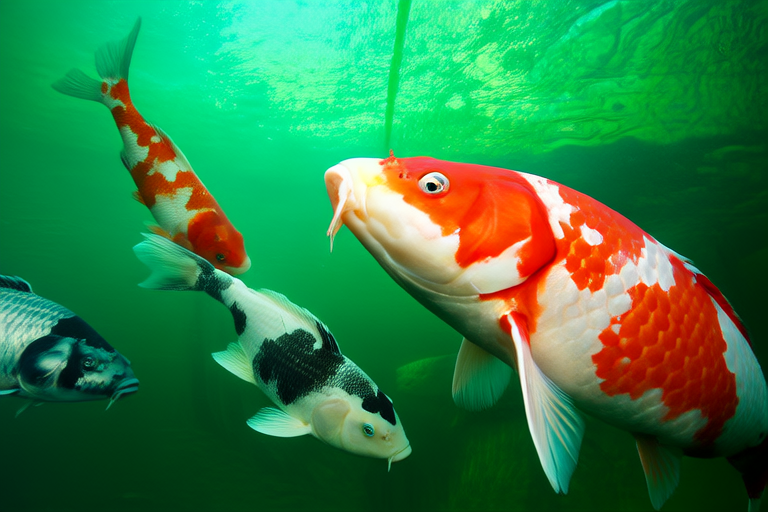
The Secret Language of Koi: Understanding Their Behavior
Introduction
Koi fish are not just beautiful aquatic pets; they are also fascinating creatures that communicate and interact with their environment in intricate ways. As a koi owner, understanding their behavior can help you provide the best care for them. This article delves into the secret language of koi, exploring how their movements, color changes, and interactions within their environment reflect their needs, health, and communication. By learning to interpret these behaviors, you can ensure your koi thrive in their aquatic homes.
Understanding Koi Movements
Koi fish exhibit various movements that can indicate their emotional state, health, and intentions. One common movement is tail wagging, which can signal excitement or agitation. When koi wag their tails rapidly, it might mean they are either chasing food or reacting to a threat. Another notable movement is the headstand, where koi swim vertically with their heads pointing upwards. This behavior often indicates they are searching for food or trying to get attention from their owners. Additionally, koi may perform a rolling motion by flipping onto their sides. This can be a sign of illness, especially if accompanied by lethargy or loss of appetite.
Healthy koi typically swim gracefully, maintaining a steady speed and direction. They move harmoniously with each other, forming schools and following one another. However, when koi fish swim erratically or appear disoriented, it could suggest poor water quality, stress, or disease. It’s crucial to monitor their swimming patterns regularly to identify any potential issues early on.
Interpreting Color Changes
Color changes in koi fish can also reveal valuable information about their well-being. Healthy koi usually have vibrant, consistent colors, but sudden changes can signal underlying problems. For instance, pale or faded colors might indicate malnutrition or stress, while darkening spots or patches could point to bacterial infections or parasites. On the other hand, some color variations are natural and occur as koi age or during breeding seasons.
Owners should familiarize themselves with their koi’s typical coloration to notice any deviations promptly. Regular observations can help detect early signs of illness, enabling timely intervention and treatment. Maintaining optimal water conditions, providing balanced nutrition, and minimizing stressors can promote healthy coloration and overall vitality in koi.
Exploring Social Interactions
Koi fish are social animals that engage in complex interactions within their community. They form hierarchies, with dominant individuals asserting their position through aggressive behaviors like biting, chasing, or fin nipping. These actions are part of establishing order and securing resources such as food and territory. Subordinate koi may display submissive postures, avoiding confrontation and retreating to safer areas.
However, not all interactions among koi are competitive. They also engage in cooperative behaviors, such as schooling together for protection against predators or synchronizing their feeding responses. Observing these social dynamics can provide insights into the overall harmony and stability of your koi population. Encouraging positive social interactions involves creating suitable environments with ample hiding spots, varied structures, and adequate space to accommodate different temperaments.
Responding to Environmental Cues
Koi fish are highly attuned to their surroundings and respond to environmental cues in meaningful ways. They can sense changes in water temperature, pH levels, and oxygen concentration, adjusting their behavior accordingly. For example, during cooler temperatures, koi may become less active and seek sheltered areas. Conversely, warmer conditions tend to stimulate increased activity and exploration. Owners should monitor water parameters closely and make necessary adjustments to maintain optimal conditions for their koi.
In addition to physical factors, koi also react to visual and auditory stimuli. Many owners report that their koi recognize and respond to specific sounds, such as footsteps approaching the pond or the sound of food being prepared. This demonstrates the intelligence and adaptability of these remarkable creatures. By incorporating enriching elements into their habitat, such as floating logs, plants, or interactive toys, owners can enhance the mental stimulation and enjoyment of their koi.
Tips for Koi Owners
To better understand and care for your koi based on observed behaviors, consider implementing the following tips:
- Establish a routine for feeding and maintenance tasks to create consistency and predictability in your koi’s daily lives.
- Provide a balanced diet rich in protein, vitamins, and minerals to support their growth and health.
- Regularly test water quality and perform partial water changes to prevent ammonia buildup and maintain appropriate pH levels.
- Observe your koi closely for any unusual behaviors or physical symptoms, and consult a veterinarian if needed.
- Create a stimulating environment with diverse features to encourage natural behaviors and reduce stress.
- Handle your koi gently and minimize disturbances during critical periods like spawning or molting.
Conclusion
The secret language of koi lies in their movements, color changes, and interactions within their environment. By paying close attention to these aspects, owners can gain valuable insights into the needs, health, and communication of their beloved pets. With proper care and understanding, koi fish can lead long, fulfilling lives, bringing joy and fascination to their human companions.
