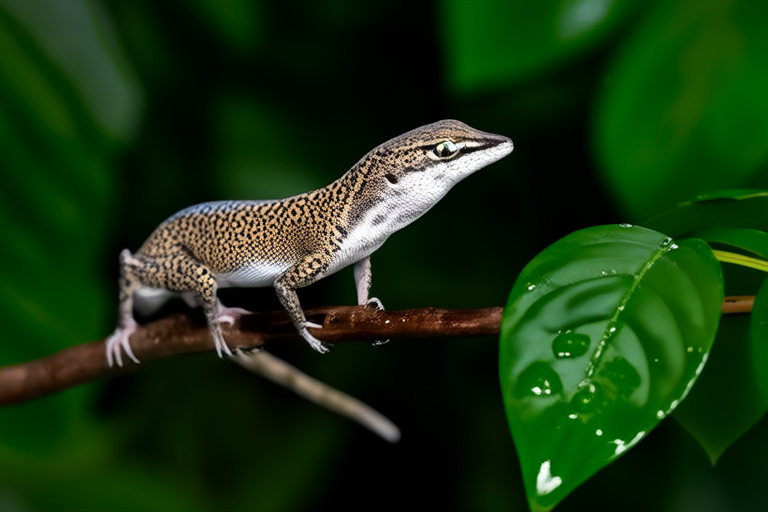
7 Common Myths About Chameleons Debunked
Chameleons are fascinating creatures known for their distinctive features and behaviors. These lizards, primarily found in Africa and Madagascar, have captivated human imagination for centuries. With their ability to change color, prehensile tails, and independently moving eyes, they stand out as one of nature’s most intriguing reptiles. Despite their popularity, many misconceptions surround these animals. This article aims to debunk seven common myths about chameleons, offering insights based on scientific research and observations.
What Makes Chameleons Unique?
Chameleons possess several unique traits that set them apart from other reptiles. Their most recognizable feature is their ability to change color, which they use for communication and temperature regulation. Another remarkable characteristic is their zygodactyl feet—two toes pointing forward and two backward—allowing them to grip branches firmly. Additionally, their long tongues can extend up to twice their body length, making it easier for them to catch prey. Their eyes, capable of rotating almost 180 degrees, provide exceptional depth perception, crucial for hunting insects in their natural habitat.
Myth 1: Chameleons Change Color To Blend Into Their Surroundings
One of the most widespread beliefs about chameleons is that they alter their skin pigmentation to match their environment. However, this notion is far from accurate. Research indicates that chameleons change color primarily for social signaling, mood expression, and temperature control rather than camouflage. Scientists have discovered that these color changes result from specialized cells called chromatophores, which expand or contract depending on the lizard’s emotional state or environmental conditions.
Myth 2: All Chameleons Can Change Colors
Not all species of chameleons exhibit the same level of color-changing abilities. While some species, like the panther chameleon, are famous for their vibrant hues, others, such as the Jackson’s chameleon, display more subtle variations. The extent of color change depends on the specific species and its evolutionary adaptations. Some chameleons may only shift between shades of green, while others can produce a wide range of colors.
Myth 3: Chameleons Only Eat Insects
Contrary to popular belief, chameleons have a diverse diet that extends beyond just insects. Although they predominantly feed on small arthropods, many species also consume plant matter, including flowers, leaves, and fruits. Studies show that incorporating vegetation into their diet can contribute to better overall health and longevity. Pet owners should ensure a balanced diet for their chameleons, offering both live insects and appropriate plant-based foods.
Myth 4: Chameleons Are Easy Pets
Maintaining a chameleon as a pet requires considerable knowledge and dedication. Unlike other reptiles, chameleons have specific environmental needs that must be met for their well-being. They require a spacious vivarium with proper ventilation, UVB lighting for calcium absorption, and humidity levels that mimic their natural habitats. Additionally, handling should be minimal to avoid stress. Potential owners should thoroughly research before committing to caring for a chameleon.
Myth 5: Chameleons Can Survive On A Diet Of Mealworms Alone
Feeding chameleons solely on mealworms can lead to nutritional deficiencies. These insects lack essential vitamins and minerals necessary for optimal health. A varied diet that includes crickets, super worms, and other suitable insects ensures that chameleons receive all required nutrients. Dusting feeder insects with supplements helps address any dietary gaps. Providing a diverse menu supports healthy growth and prevents potential health issues.
Myth 6: Chameleons Can Regrow Lost Limbs
Unlike certain amphibians and fish, chameleons cannot regenerate lost limbs. If a chameleon loses a limb due to injury or predation, it remains permanently disabled. Proper care and habitat setup help prevent injuries that could result in limb loss. Ensuring a safe enclosure with appropriate climbing structures and avoiding overcrowding are key practices for maintaining chameleons’ physical integrity.
Myth 7: Chameleons Are Nocturnal Creatures
Chameleons are diurnal animals, meaning they are active during daylight hours. They rely on sunlight for thermoregulation and basking under UVB lamps is crucial for calcium metabolism. Misconceptions about their nocturnal habits might stem from observing their slow movements at dusk or early morning, which does not indicate nighttime activity. Understanding their circadian rhythms is vital for creating a suitable living environment.
Responsible Ownership And Care Tips
For those considering chameleons as pets, here are some essential care tips:
- Proper Housing: Provide a large, well-ventilated enclosure with plenty of vertical space for climbing.
- Temperature And Humidity: Maintain appropriate temperatures and humidity levels, using thermometers and hygrometers to monitor conditions.
- Diet: Offer a varied diet rich in protein and supplemented with vitamins and minerals.
- Lighting: Install full-spectrum UVB lighting to support calcium absorption and overall health.
- Handling: Minimize handling to reduce stress and potential injuries.
By adhering to these guidelines, owners can ensure their chameleons thrive in captivity.
Bibliography
- Bauer, A.M., & Russell, A.P. (1996). Chameleons: anatomy, behaviour, and ecology. Academic Press.
- Harris, S.E., & Zimova, M. (2019). The role of colour change in thermoregulation and communication in chameleons. Journal of Experimental Biology, 222(15).
- Jones, K.E., et al. (2009). PanTHERIA: a species-level database of life history, ecology, and geography of extant and recently extinct mammals. Ecology, 90(9).
- Le Berre, M., & Blanc, S. (2013). Chameleons: morphology, behavior, and ecology. Springer Science & Business Media.
- Raxworthy, C.J., & Nussbaum, R.A. (1994). Chamaeleonidae. In G.R. Zug, R.S. Adler, & J.B. Murphy (Eds.), Herpetology: An introductory biology of amphibians and reptiles (pp. 341-352). Academic Press.
