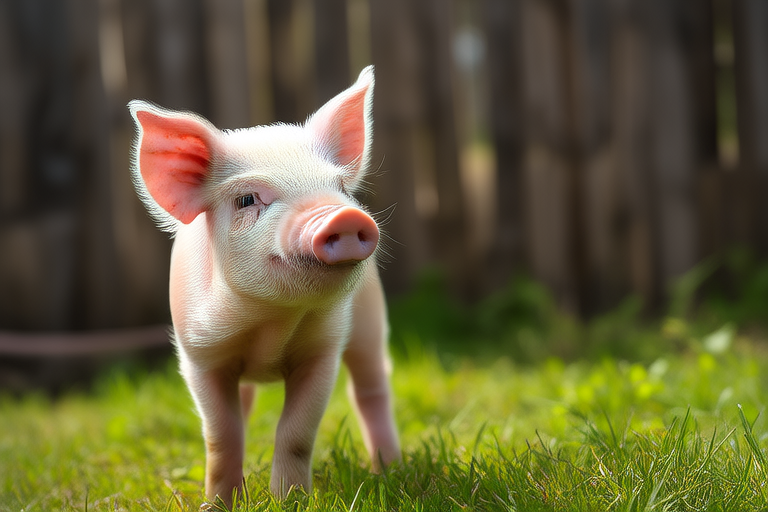
Debunking Common Myths About Mini Pigs
Mini pigs have gained popularity as pets due to their small size, endearing appearance, and intelligence. These creatures are often compared to dogs in terms of loyalty and trainability, making them appealing companions. However, many misconceptions surround mini pigs, leading to improper care and unrealistic expectations. This article aims to debunk five common myths about mini pigs, providing factual information to help prospective owners make informed decisions.
Myth 1: Mini Pigs Stay Small
Misconception: Many people believe that mini pigs will remain tiny, similar in size to a large dog. This assumption leads to inadequate living spaces and unrealistic expectations.
Factual Information: The truth is that even miniature breeds can grow quite large. According to the American Mini Pig Association (AMPA), most mini pigs weigh between 50 to 70 pounds when fully grown. Some individuals may reach up to 120 pounds. It’s crucial to provide ample space and appropriate housing to accommodate their growth. Ensuring they have enough room to move around is essential for their physical and mental well-being.
Myth 2: Mini Pigs Eat Anything
Misconception: There’s a widespread belief that mini pigs will eat anything, leading some to assume that feeding them table scraps or human food is acceptable.
Factual Information: Proper nutrition is vital for mini pigs’ health. Their diet should primarily consist of commercial pig feed formulated specifically for their nutritional needs. This feed contains the right balance of proteins, fats, vitamins, and minerals. Feeding pigs human food can lead to obesity, digestive issues, and other health problems. It’s recommended to consult with a veterinarian specializing in exotic animals to determine the best diet for your mini pig.
Myth 3: Mini Pigs Are Low-Maintenance Pets
Misconception: Some people think that mini pigs require minimal care, akin to keeping a fish or a hamster.
Factual Information: Mini pigs need consistent care and attention. They require regular exercise, social interaction, and mental stimulation. Like any other pet, they need routine veterinary check-ups, vaccinations, and deworming. Additionally, their nails need trimming, and they should be kept clean and free from parasites. Proper care involves providing a stimulating environment with toys and activities to keep them engaged and prevent boredom.
Myth 4: Mini Pigs Have Short Lifespans
Misconception: A common myth suggests that mini pigs have short lifespans, leading some to adopt them without considering long-term commitment.
Factual Information: Mini pigs typically live between 12 to 20 years, depending on breed, genetics, and care. This lifespan is comparable to many dog breeds and significantly longer than most small pets like rabbits or hamsters. Adopting a mini pig means committing to a long-term relationship, requiring continuous care and attention throughout their life. This longevity underscores the importance of choosing a mini pig only if you’re prepared for a lifelong commitment.
Myth 5: Mini Pigs Are Easy to Train
Misconception: There’s a belief that training a mini pig is straightforward, similar to training a dog.
Factual Information: While mini pigs are intelligent and trainable, they have different behavioral traits compared to dogs. Training a mini pig requires patience, consistency, and positive reinforcement techniques. Unlike dogs, pigs are not pack animals and do not respond to commands in the same way. They learn through repetition and rewards, so it’s important to establish clear boundaries and rules early on. Enrolling in a training class or consulting with a professional trainer can greatly enhance the training process.
Conclusion
Mini pigs are unique and rewarding pets, but they come with specific needs and responsibilities. By debunking these common myths, we hope to promote a better understanding of what it takes to own a mini pig. Proper care, adequate space, a balanced diet, and a commitment to their well-being are crucial for ensuring a happy and healthy life for your mini pig.
Before adopting a mini pig, it’s essential to conduct thorough research and prepare yourself for the long-term commitment. Consider visiting local shelters, speaking with experienced owners, and consulting with veterinarians to gain insights into the daily care and challenges of owning a mini pig. With the right knowledge and preparation, mini pigs can become loving and loyal companions for many years.
