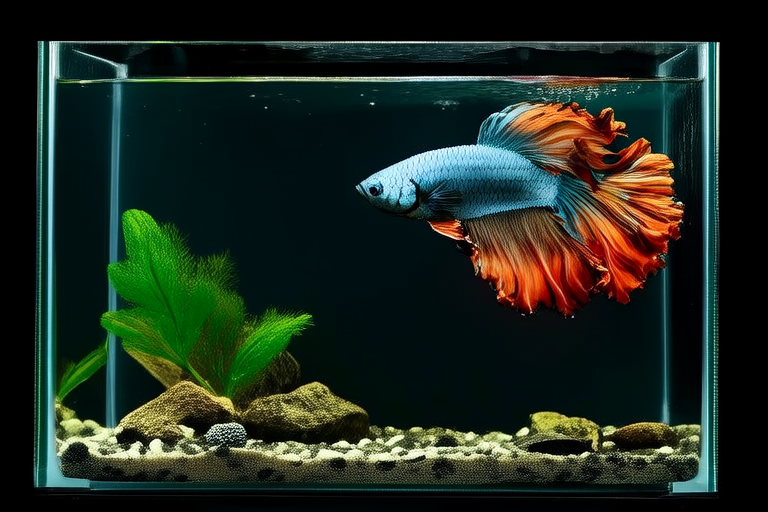
Introduction to Bettas and Their Vibrant Colors
Betta fish, also known as Siamese fighting fish, are among the most popular choices for aquarium enthusiasts. These small, yet strikingly beautiful creatures are admired for their vibrant colors and graceful fins. Bettas are native to Southeast Asia, where they live in shallow waters such as rice paddies, slow-moving streams, and canals. In captivity, they thrive in environments that mimic their natural habitat.
Their colors range from deep blues and reds to bright oranges and yellows, with many varieties featuring intricate patterns. The vibrant hues of bettas are not just aesthetically pleasing but also serve as indicators of their health and mood. A healthy betta will display its brightest colors, while stress or illness can cause dulling of these pigments. Understanding the importance of maintaining a healthy environment is crucial for ensuring your betta’s vibrant appearance and overall well-being.
Essential Tank Size and Shape Recommendations
Choosing the right tank size and shape is critical for the well-being of your betta. While some might think that a small bowl is sufficient, bettas actually require more space than one might expect. A minimum tank size of 5 gallons (19 liters) is recommended for a single betta to ensure they have enough room to swim comfortably.
The shape of the tank can also play a significant role in providing adequate swimming space. Long, rectangular tanks offer more horizontal swimming space compared to shorter, wider tanks. This allows the betta to swim freely without feeling confined. Additionally, the height of the tank should be considered; taller tanks can provide more vertical swimming space, which is beneficial for bettas with longer fins.
Filtration Systems Suitable for Bettas
A proper filtration system is essential for maintaining clean water and ensuring the health of your betta. Bettas are sensitive to poor water conditions, so investing in a reliable filter is crucial. Filters help remove harmful toxins, excess food, and waste from the water, keeping it clear and oxygenated.
For bettas, under-gravel filters or sponge filters are often recommended due to their gentle flow. Under-gravel filters work by drawing water through the gravel at the bottom of the tank, which helps in breaking down waste and debris. Sponge filters, on the other hand, are less aggressive and provide a safe environment for bettas with delicate fins. Both types of filters promote biological filtration, which aids in maintaining stable water parameters.
Lighting Requirements for Enhancing Color Vibrancy
Proper lighting not only enhances the beauty of your betta’s vibrant colors but also contributes to their overall health. Bright, indirect light is ideal for bringing out the vivid hues of bettas. However, it is important to avoid excessive direct sunlight, as this can lead to algae growth and overheating of the water.
LED aquarium lights are popular choices for betta tanks due to their energy efficiency and ability to provide a spectrum of light that enhances color. Many LED lights come with various settings that allow you to adjust the intensity and color temperature to suit your preferences. It is advisable to provide a light cycle of about 8-12 hours per day to simulate natural daylight and promote healthy circadian rhythms in your betta.
Ideal Substrate Options for a Colorful Display
The choice of substrate can significantly impact both the aesthetic appeal and the health of your betta’s tank. Substrates not only enhance the visual appeal of the tank but also play a role in maintaining water quality. Gravel and sand are two common substrate options for betta tanks.
Gravel comes in various sizes and colors, allowing for customization of your tank’s appearance. Smaller gravel sizes are easier to clean and can prevent detritus from settling between the pieces. Sand is another excellent option, particularly for bettas with long, flowing fins, as it provides a smooth surface that is less likely to snag on delicate finnage. Additionally, certain types of sand, like aragonite, can help maintain pH levels, which is beneficial for bettas that prefer slightly alkaline water.
Decorative Elements That Provide Hiding Spots and Aesthetics
Incorporating decorative elements into your betta’s tank not only adds to its visual appeal but also provides essential hiding spots. Bettas are territorial by nature and need places to retreat when they feel stressed or threatened. Plants, both real and artificial, are excellent additions that provide hiding spots and help oxygenate the water.
Real plants not only beautify the tank but also improve water quality by absorbing nitrates and providing oxygen through photosynthesis. Popular plant choices include java fern, anubias, and cryptocoryne. Artificial plants offer a low-maintenance alternative and come in various shapes and colors to match any tank decor. Floating plants can also be added to mimic the betta’s natural habitat and provide shade, which can reduce stress.
Water Parameters Crucial for Betta Health
Maintaining optimal water parameters is vital for the health and longevity of your betta. Temperature, pH, and ammonia levels are key factors to monitor regularly. Bettas thrive in temperatures ranging from 76°F to 82°F (24°C to 28°C). It is important to use a heater to maintain a consistent temperature, as fluctuations can stress the fish.
Water pH should ideally be between 6.5 and 7.5. Bettas are adaptable to a range of pH levels, but maintaining stability is crucial. Ammonia and nitrite levels should always be kept at zero, as even low levels can be toxic to bettas. Regular water testing and partial water changes are necessary to ensure water quality remains within the optimal range.
Maintenance Tips for a Thriving Environment
To keep your betta’s tank thriving, regular maintenance is essential. Weekly water changes of around 20-30% are recommended to remove accumulated toxins and replenish essential minerals. During water changes, it is important to treat tap water with a dechlorinator to neutralize harmful chemicals.
Cleaning the tank glass, removing uneaten food, and trimming plants should be part of your routine. Additionally, monitoring the condition of the filter and replacing carbon pads or media as needed ensures efficient filtration. By maintaining a clean and stable environment, you can ensure your betta remains vibrant and healthy.
Conclusion Emphasizing the Importance of a Well-Thought-Out Setup
Creating the perfect tank setup for your colorful betta involves careful consideration of various factors. From choosing the right tank size and filtration system to selecting appropriate substrates and decorations, each element plays a crucial role in providing a healthy and visually appealing environment. By paying attention to water parameters and implementing a regular maintenance routine, you can ensure your betta thrives and displays its vibrant colors to the fullest.
A well-thought-out setup not only enhances the beauty of your aquarium but also contributes to the overall well-being of your betta. Investing time and effort into creating an optimal environment will result in a healthier, happier fish and a more enjoyable experience for you as a pet owner.
