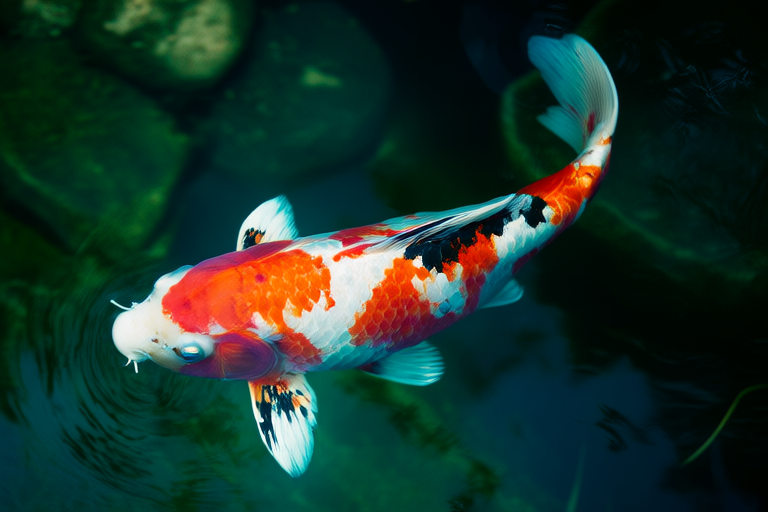
The Intriguing World of Koi Fish
Koi fish, known for their vibrant colors and graceful movements, have captivated people around the world for centuries. These magnificent creatures trace their origins back to ancient China, where they were selectively bred from common carp. Over time, koi became deeply embedded in Japanese culture, symbolizing good fortune and perseverance. Today, koi are cherished pets across the globe, admired for their beauty and the serene ambiance they bring to gardens and ponds.
History of Koi Fish
The journey of koi from humble beginnings to iconic status is a testament to human ingenuity and dedication. Originally, carassius auratus was a hardy fish, capable of thriving in various environments. However, it was in Japan during the Heian period (794-1185 AD) that koi began to be selectively bred for aesthetic purposes. The practice of cultivating ornamental fish reached its peak in the Edo period (1603-1868 AD), when different varieties emerged, each with distinct color patterns and body shapes. By the early 20th century, koi had become a symbol of elegance and prosperity, often featured in paintings, poetry, and literature.
Unique Characteristics of Koi Fish
One of the most striking features of koi is their diverse range of colors and patterns. There are over 200 recognized varieties, each distinguished by specific traits such as scale type, fin shape, and coloration. Some popular types include:
- Shibutaki: Known for its red and white color combination.
- Asagi: Characterized by a blue back and red belly.
- Sanke: Features red, black, and white markings.
- Ginrin: Possesses metallic scales that shimmer under light.
These variations result from selective breeding practices aimed at enhancing desirable traits while minimizing undesirable ones. Koi also exhibit remarkable longevity; some individuals may live up to 50 years or more, making them long-term companions for their caretakers.
Symbols and Cultural Significance
In Japanese culture, koi hold deep symbolic meaning. They represent strength, determination, and perseverance due to their ability to swim upstream against strong currents. This trait is often associated with personal growth and overcoming challenges. Additionally, koi are believed to bring good luck and prosperity, which explains why they frequently appear in decorative items like paintings, sculptures, and tattoos.
Outside Japan, koi have also found significance in other cultures. In Chinese mythology, koi swimming upstream transform into dragons upon reaching the Dragon Gate waterfall. This legend underscores the importance of persistence and achievement.
Care Requirements for Koi Fish
Maintaining a healthy koi pond requires careful attention to several factors including water quality, diet, and regular monitoring for potential health issues.
Water Quality
Proper filtration systems are crucial for ensuring clean water conditions. A well-functioning filter removes debris, excess food particles, and harmful chemicals from the pond, promoting optimal living conditions for your koi. Regular testing of pH levels, ammonia, nitrite, and nitrate concentrations helps maintain balanced aquatic ecosystems.
Diet
A balanced diet supports overall health and vitality. High-quality commercial pellets designed specifically for koi provide necessary nutrients. Supplemental feeding with fresh vegetables, fruits, or specialized treats can enhance variety but should be offered sparingly to avoid overfeeding.
Health Issues
Common ailments include bacterial infections, parasites, and fungal growths. Early detection through regular observation allows timely intervention via appropriate treatments prescribed by veterinarians specializing in exotic animals.
Interesting Behaviors
Koi display fascinating behaviors that make them enjoyable companions. They recognize their caretakers and may gather near feeding areas anticipating meals. Some even develop individual personalities, responding differently based on past experiences.
Emotional Bond
Owners often form strong emotional connections with their koi. Observing these intelligent creatures provides solace and relaxation, contributing positively to mental well-being.
Essential Tips for Maintaining a Healthy Koi Pond Environment
To ensure your koi thrive, consider implementing the following best practices:
- Install adequate filtration equipment tailored to your pond’s size.
- Conduct routine maintenance tasks such as cleaning filters and skimmers.
- Monitor temperature fluctuations closely, especially during seasonal changes.
- Provide sheltered areas within the pond where koi can retreat when stressed.
- Regularly test water parameters and adjust accordingly.
By adhering to these guidelines, you create an ideal habitat conducive to long-term health and happiness for your beloved koi.
