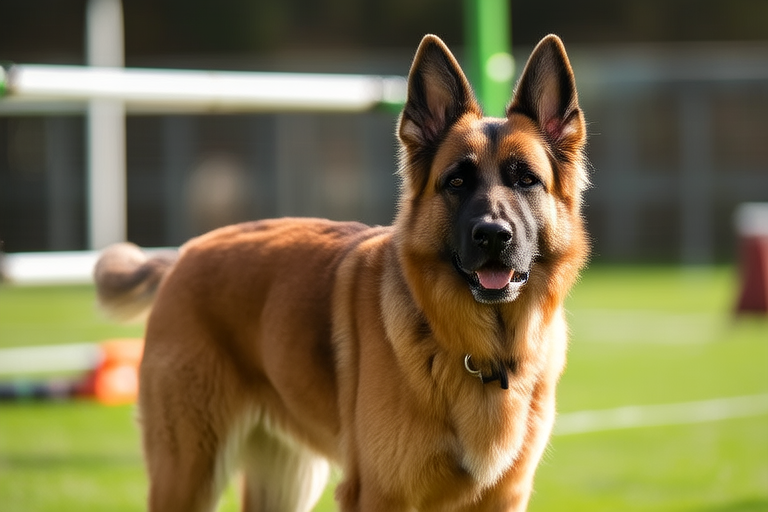
German Shepherd Training Tips Every Owner Should Know
Welcome to the world of German Shepherds! These loyal, intelligent, and versatile dogs have been cherished by families for decades. Training your German Shepherd requires dedication, patience, and consistent effort. This guide will walk you through essential training methods, socialization techniques, basic commands, nutritional advice, exercise routines, and solutions to common behavioral issues. Let’s dive in!
Essential Training Methods
Training your German Shepherd starts with understanding their intelligence and eagerness to please. Positive reinforcement is key; rewarding good behavior encourages your dog to repeat it. Use treats, praise, and play as rewards.
- Clicker Training: A clicker marks the exact moment your dog does something right. Pair it with a treat or praise.
- Shaping: Reward small steps toward the desired behavior, gradually building up to the full action.
- Modeling: Show your dog what you want them to do, then reward when they mimic your actions.
Consistency is crucial. Always use the same command word for each action and apply it in various situations. For example, if you say “sit” in the living room, say “sit” in the park too.
Socialization Techniques
Proper socialization helps your German Shepherd become well-rounded and confident. Expose them to different people, animals, environments, and situations from a young age.
- People: Introduce your puppy to friends, family, and neighbors. Encourage gentle petting and interaction.
- Other Animals: Arrange supervised playdates with other friendly dogs. Consider controlled introductions to cats or smaller pets.
- Different Environments: Take your dog to parks, pet stores, and other public spaces. Let them experience various surfaces, sounds, and smells.
Avoid overwhelming your dog. Start with short, positive experiences and gradually increase exposure. If your dog shows fear or aggression, consult a professional trainer.
Basic Commands
Teaching your German Shepherd basic commands ensures safety and strengthens your bond. Start with these fundamental commands:
- Stay: Hold a treat in front of your dog’s nose, then extend your arm forward while saying “stay.” Step back slowly, maintaining eye contact. Reward your dog for remaining still.
- Heel: Walk beside your dog, holding a treat near their nose. Say “heel” and encourage them to walk beside you. Gradually remove the treat but continue verbal praise.
- Leave It: Place a treat in your closed hand and let your dog sniff it. When they try to take it, say “leave it” and close your hand tighter. Once they stop trying, open your hand and give them a different treat.
- Drop It: Throw a toy for your dog to fetch. Once they have it, say “drop it” and offer a higher-value treat. Trade the toy for the treat, then praise your dog.
Practice these commands daily, incorporating them into your routine. For example, ask your dog to “sit” before feeding or “stay” while you put on shoes.
Nutritional Advice
Proper nutrition supports your German Shepherd’s health and energy levels. Feed them high-quality dog food appropriate for their life stage (puppy, adult, senior). Consult your veterinarian for specific recommendations based on your dog’s size, activity level, and any health conditions.
- Water: Fresh water should always be available. Hydration is crucial for digestion and overall health.
- Supplements: Consider adding omega-3 fatty acids for coat health or glucosamine for joint support, especially as your dog ages.
- Treats: Use treats sparingly during training. Opt for low-calorie options like carrots or green beans.
Monitor your dog’s weight and adjust portion sizes as needed. Overfeeding can lead to obesity, which increases the risk of joint problems and other health issues.
Exercise Routines
German Shepherds are energetic dogs that require regular physical activity. Exercise keeps them fit, prevents boredom, and reduces destructive behaviors.
- Walking: Daily walks provide mental stimulation and physical exertion. Aim for at least two 30-minute walks per day.
- Running: If possible, allow your dog to run off-leash in a safe area. Running burns energy and promotes cardiovascular health.
- Playing: Engage in games like fetch, tug-of-war, or hide-and-seek. Playing builds bonds and provides mental challenges.
- Agility Training: Set up obstacles in your yard or enroll in an agility class. Agility training enhances coordination and obedience.
Incorporate variety into your exercise routine to keep your dog interested. Rotate between different activities to prevent monotony.
Common Behavioral Issues and Solutions
Even with proper training, German Shepherds may exhibit challenging behaviors. Here are some common issues and effective solutions:
- Barking: Barking is a natural form of communication for dogs. However, excessive barking can be disruptive. Teach your dog the “quiet” command by rewarding them when they stop barking. Distract them with a toy or treat when they start barking unnecessarily.
- Destructive Chewing: Provide appropriate chew toys and supervise your dog to prevent them from chewing on furniture or other household items. Redirect their attention to approved chew toys whenever they attempt to chew on something inappropriate.
- Jumping Up: Many dogs jump up to greet people. To discourage this behavior, turn away and ignore your dog until all paws are on the ground. Reward calm behavior with treats or praise.
- Separation Anxiety: Separation anxiety can manifest through destructive behavior, barking, or excessive drooling. Gradually desensitize your dog to being alone. Start with short periods of separation and gradually increase the duration. Leave a familiar object, like a blanket or toy, with your scent to comfort your dog.
Remember, addressing behavioral issues takes time and patience. Be consistent and patient with your approach.
Real-Life Examples
Laura, a first-time owner, adopted a 6-month-old German Shepherd named Max. Max was full of energy and had difficulty settling down. Laura started taking Max on long walks and playing fetch in the evenings. Within a few weeks, Max became more relaxed and less hyperactive. Laura also began training Max using positive reinforcement, focusing on commands like “sit,” “stay,” and “come.” Max quickly learned these commands and responded eagerly to praise and treats.
John, who has owned several German Shepherds, noticed his current dog, Bella, had developed separation anxiety. John implemented a gradual desensitization plan, leaving Bella alone for short periods and gradually increasing the duration. He also provided a favorite toy with his scent to comfort Bella. Over time, Bella’s anxiety decreased, and she became more comfortable being left alone.
Conclusion
Training your German Shepherd is a rewarding journey that strengthens your bond and ensures a well-behaved companion. By using positive reinforcement, consistent commands, and engaging exercises, you can help your dog thrive. Remember to be patient, stay consistent, and seek professional guidance if needed. With love, dedication, and effort, your German Shepherd will become a loving, obedient, and joyful member of your family.
