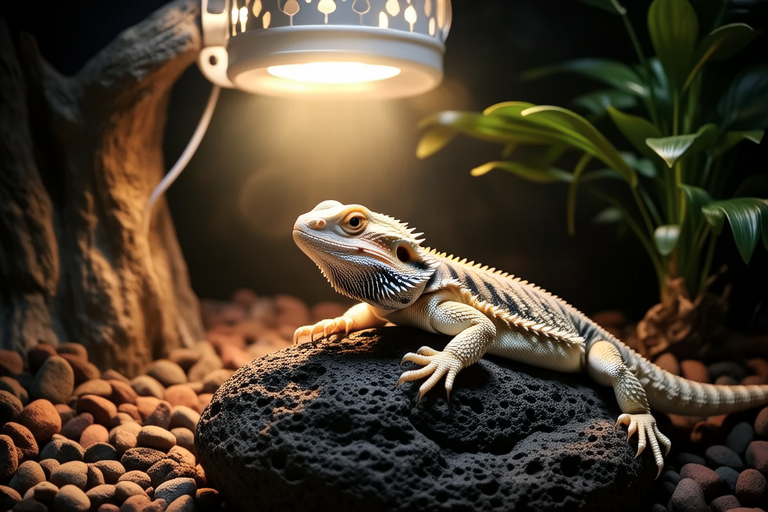
How to Create the Ultimate Habitat for Your Bearded Dragon at Home
Welcome to your guide on creating the perfect home for your bearded dragon. These fascinating creatures have specific needs that must be met to ensure their health and happiness. This article will walk you through each step of setting up an ideal habitat, from choosing the right terrarium to maintaining it regularly.
Choosing the Right Terrarium Size
The first step in building your bearded dragon’s habitat is selecting an appropriate terrarium. Bearded dragons grow quickly, so it’s important to choose a terrarium that can accommodate them as they mature. A baby or juvenile bearded dragon requires at least a 20-gallon tank, while adults need a 40-gallon tank or larger. Ensure the terrarium has a secure lid to prevent escape and provide ventilation.
Heating and Lighting Requirements
Bearded dragons require a warm environment to thrive. You’ll need two types of heat sources: a basking spot and ambient heat. The basking spot should reach between 95-110°F (35-43°C), while the cooler side of the terrarium should remain around 80-85°F (27-29°C). Use a thermostat to maintain these temperatures consistently. Additionally, UVB lighting is crucial for calcium absorption and overall health. Choose a high-quality UVB bulb designed specifically for reptiles, and replace it every six months to ensure effectiveness.
Suitable Substrates
Selecting the right substrate is vital for your bearded dragon’s safety and well-being. Avoid substrates that pose choking hazards, such as sand or small gravel. Instead, opt for safer alternatives like reptile carpet, paper towels, or coconut fiber bedding. These options are easy to clean and less likely to cause impaction if ingested. Always monitor your bearded dragon closely when changing substrates to ensure they don’t ingest any material.
Necessary Hides and Decorations
Hides and decorations add both functionality and aesthetic appeal to your bearded dragon’s habitat. Provide multiple hiding spots throughout the enclosure to allow your pet to retreat when feeling stressed or tired. These can include commercial hide boxes or DIY solutions made from natural materials like cork bark or hollow logs. Additionally, include branches and rocks for climbing and basking. Arrange these items strategically to create different levels within the terrarium, mimicking their natural environment.
Humidity Levels
Bearded dragons come from arid environments and prefer low humidity levels, typically between 30-40%. To achieve this, avoid misting the terrarium frequently and ensure proper ventilation. If necessary, use a hygrometer to monitor humidity levels accurately. In case of high humidity, consider adding a dehumidifier or increasing airflow by adjusting vents or fans.
Feeding Areas
Designate a specific area within the terrarium for feeding your bearded dragon. This helps maintain cleanliness and prevents food contamination. Place the food dish in a location away from the basking spot but still easily accessible to your pet. Clean the feeding area regularly to prevent bacterial growth and keep your bearded dragon healthy.
Regular Maintenance Tips
Maintaining your bearded dragon’s habitat is essential for their long-term health. Here are some key practices:
- Cleaning the Terrarium: Remove waste daily and perform a thorough cleaning every few weeks using reptile-safe disinfectants. Rinse thoroughly and allow the enclosure to dry completely before replacing the substrate and decor.
- Checking Equipment: Regularly inspect heating elements, lights, and other equipment for signs of wear or malfunction. Replace damaged items promptly to avoid potential hazards.
- Monitoring Health: Keep an eye on your bearded dragon’s behavior and physical condition. Consult a veterinarian if you notice any changes in appetite, activity level, or appearance.
Conclusion
Creating the ultimate habitat for your bearded dragon involves careful consideration of various factors, including terrarium size, heating and lighting, substrate choice, hiding spots, humidity control, and regular maintenance. By following these guidelines, you can provide your pet with a safe, comfortable environment that promotes optimal health and happiness. Remember, a well-cared-for bearded dragon can live for many years, so investing time and effort into setting up their home correctly is worthwhile.
