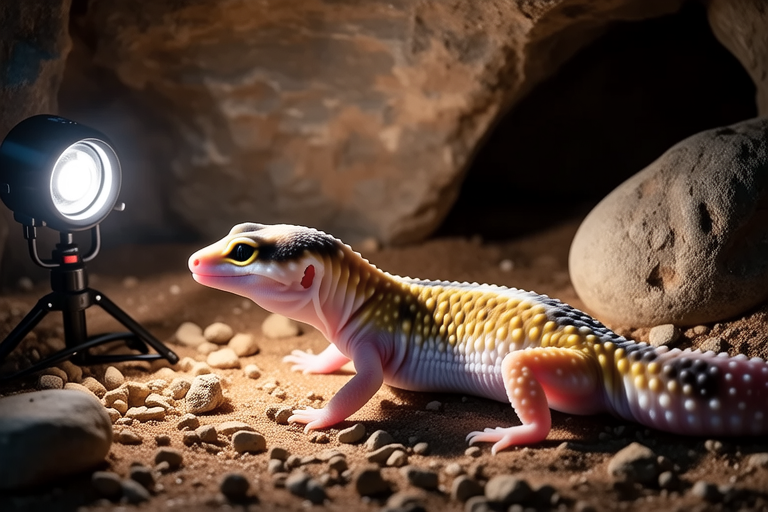
The Ultimate Guide to Setting Up the Perfect Habitat for Your Leopard Gecko
Leopard geckos are one of the most popular reptile pets due to their hardy nature and relatively low maintenance. However, providing them with an optimal living environment is crucial for their well-being and longevity. This guide will walk you through every aspect of setting up the perfect habitat for your leopard gecko, from choosing the right terrarium size to maintaining proper hygiene.
Choosing the Right Terrarium Size
For a single adult leopard gecko, a terrarium that measures at least 18 inches long by 12 inches wide is recommended. This provides enough space for movement and activities. Juveniles can start in smaller enclosures but should be moved to larger ones as they grow. Always ensure there’s adequate room for your gecko to move around comfortably.
Essential Heating and Lighting Requirements
Heating is vital for digestion and overall health. Use a heat mat or ceramic heater placed under one side of the terrarium to create a temperature gradient ranging from 79°F (26°C) on the cooler end to 90°F (32°C) on the warmer end. Avoid placing the heat source directly above the enclosure as it could cause hotspots.
Daylight-spectrum UVB lighting isn’t necessary for leopard geckos since they are nocturnal and spend much of their time underground. However, providing a gentle light cycle can help regulate their circadian rhythms. A timer set to simulate natural day and night cycles is beneficial.
Appropriate Substrate Options
Selecting the right substrate is important. Reptile carpet, paper towels, or indoor-outdoor carpet are safe and easy-to-clean options. Avoid substrates like sand, walnut shells, or wood shavings which can pose ingestion risks leading to impaction.
Ideal Temperature Gradients
Maintaining the correct temperature gradient is key. The cool side of the tank should remain around 75-80°F while the warm side should reach about 90°F. Use thermometers placed at both ends of the tank to monitor temperatures accurately.
Hiding Spots and Decorations
Leopard geckos need hiding spots to feel secure. Use half-log caves, cork bark, or plastic plants to create these hideouts. Ensure there’s at least one hide on each end of the tank so your gecko can choose between warm and cool environments depending on its needs.
Humidity Levels
Leopard geckos thrive in dry conditions with humidity levels kept below 40%. Excess moisture can lead to respiratory issues or skin infections. Regularly check humidity levels using a hygrometer and adjust accordingly.
Feeding Areas
Place food dishes in an easily accessible area away from water sources to prevent contamination. Ensure the dish is shallow and easy for your gecko to reach.
Cleaning Schedules
A weekly deep clean involving removing all decorations, substrate, and accessories for thorough washing is recommended. Spot clean daily by removing feces and uneaten prey items immediately. Replace substrate monthly or more frequently if soiled.
Tips for Monitoring Health
Regularly observe your gecko for signs of illness such as lethargy, loss of appetite, or abnormal behavior. Healthy geckos will be active during the evening, have clear eyes, and shed properly without retained skin. Consult a veterinarian specializing in reptiles if you notice any concerning symptoms.
Common Setup Mistakes to Avoid
Avoid overcrowding the tank with too many decorations or accessories. This can reduce available space and increase stress. Also, refrain from using toxic materials that may leach harmful chemicals into the enclosure. Lastly, never place the heat source directly above the enclosure; this can lead to overheating and potential burns.
Conclusion
Setting up the perfect habitat for your leopard gecko requires attention to detail but ensures a healthy and happy pet. By following these guidelines, you’ll provide your gecko with everything it needs to thrive. Remember, regular observation and maintenance are key to keeping your pet healthy and comfortable.
