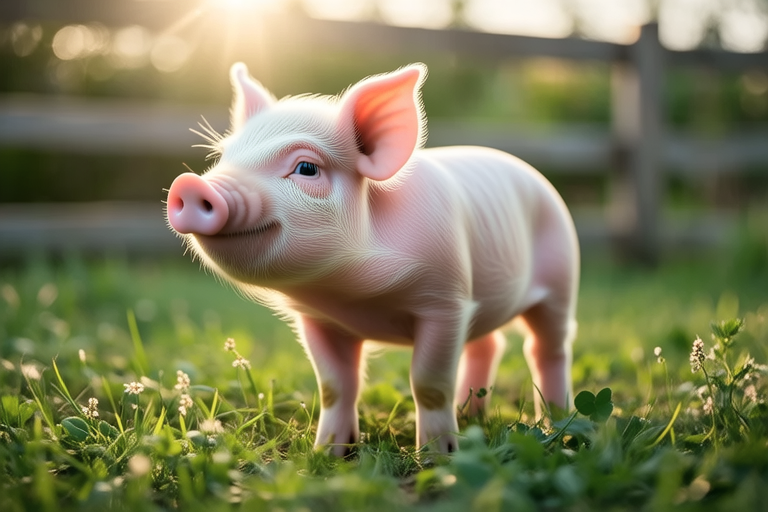
Mini Pigs: Characteristics, Care Requirements, and Common Misconceptions
Mini pigs have become increasingly popular as pets over the years due to their cute appearance and seemingly manageable size. However, there are many aspects about these animals that are often misunderstood. This article explores the characteristics, care requirements, and common misconceptions surrounding mini pigs. It highlights their intelligence, social nature, and unique behaviors, discusses the differences between mini pig breeds, proper feeding habits, and the importance of mental stimulation for their well-being.
Characteristics of Mini Pigs
Mini pigs are highly intelligent creatures with a curious and playful nature. They possess excellent problem-solving skills and can be trained to perform various tasks. Their intelligence is comparable to that of dogs, making them easy to train if approached with patience and consistency. Mini pigs are also very social animals that thrive on companionship. They enjoy spending time with their owners and other animals, and they can form strong bonds with humans. In fact, some mini pigs have been known to follow their owners around like loyal dogs.
One of the most unique behaviors of mini pigs is their rooting habit. Rooting is when a pig uses its snout to dig or explore the ground. While this behavior may seem destructive, it is actually a natural instinct for pigs. Rooting helps them find food, mark territory, and relieve boredom. Owners can provide toys or areas where their pigs can safely root to satisfy this instinct.
Differences Between Mini Pig Breeds
There are several different breeds of mini pigs, each with its own unique characteristics. Some popular breeds include the Juliana, Vietnamese pot-bellied pig, and KuneKune. The Juliana is one of the smallest breeds, typically weighing between 40-120 pounds. They are known for their small size, curly tails, and friendly demeanor. The Vietnamese pot-bellied pig is slightly larger, usually weighing between 100-200 pounds. They have a distinctive pot belly and are often used for meat production. The KuneKune is another small breed, weighing between 90-200 pounds. They are known for their gentle nature and short, curly tusks.
While these breeds may differ in size and appearance, they all require similar care and attention. It’s important to research the specific needs of your chosen breed before bringing a mini pig into your home. For instance, the Vietnamese pot-bellied pig is more prone to obesity than other breeds, so owners need to pay special attention to their diet and exercise routine.
Care Requirements for Mini Pigs
Proper feeding habits are crucial for the health and well-being of mini pigs. These animals have sensitive digestive systems, so it’s important to feed them a balanced diet that meets their nutritional needs. A typical mini pig diet consists of commercially available pig pellets, fruits, vegetables, and grains. It’s important to avoid feeding pigs too much fruit or sugary treats, as this can lead to obesity and other health problems.
In addition to proper nutrition, mini pigs also require regular exercise and mental stimulation. Like any animal, pigs need physical activity to stay healthy and prevent weight gain. Owners can provide opportunities for exercise by allowing their pigs to roam in a safe outdoor area or providing toys and puzzles that encourage movement and exploration.
Mental stimulation is equally important for the well-being of mini pigs. These intelligent animals can become bored or frustrated if they don’t have enough mental challenges. Owners can provide mental stimulation through training sessions, puzzle toys, and interactive games. For example, hiding treats around the house or yard can encourage pigs to use their problem-solving skills to find them.
Common Misconceptions About Mini Pigs
Despite their growing popularity, there are still many misconceptions about mini pigs. One common misconception is that they are small enough to live indoors. While mini pigs can adapt to indoor living, they require a large space to move around and explore. Owners should provide a spacious, secure outdoor area where their pigs can safely roam and play.
Another misconception is that mini pigs are low-maintenance pets. While they may appear cute and cuddly, mini pigs require significant time and effort to care for properly. They need daily exercise, mental stimulation, and regular grooming. Owners should be prepared to invest time and resources into keeping their pigs healthy and happy.
Some people also believe that mini pigs are suitable pets for children. While pigs can be loving and affectionate, they are not always the best choice for families with young children. Pigs have sharp teeth and can become territorial or aggressive if they feel threatened. It’s important to supervise interactions between children and pigs and teach children how to handle and interact with them safely.
Insights From Owners and Experts
Owners and experts agree that mini pigs are often underestimated as ideal pets. Despite their adorable nature, these animals require a lot of time, effort, and commitment to care for properly. However, for those who are willing to put in the work, mini pigs can make wonderful companions.
Many owners report that their mini pigs are incredibly loyal and affectionate. One owner, Sarah, shared her experience with her pet pig, saying, “He follows me everywhere I go, and he loves to snuggle up next to me on the couch. He’s like a big, furry friend.” Another owner, John, added, “My pig is always excited to see me when I come home, and he enjoys playing fetch just like a dog would.”
Experts also emphasize the importance of responsible ownership when it comes to mini pigs. Dr. Emily, a veterinarian specializing in exotic animals, stated, “Mini pigs are complex creatures that require specialized care. Owners need to be prepared to provide a healthy diet, plenty of exercise, and mental stimulation. They also need to be aware of potential health issues and seek veterinary care when necessary.”
Conclusion
Mini pigs are intelligent, social animals that can make wonderful companions for the right owner. While they may appear cute and cuddly, these animals require significant time, effort, and commitment to care for properly. By understanding their unique characteristics, care requirements, and common misconceptions, owners can provide a healthy and happy life for their mini pigs. With proper care and attention, mini pigs can thrive and bring joy to their owners for many years to come.
