Top 7 Norwegian Breeds That Make Perfect Family Pets
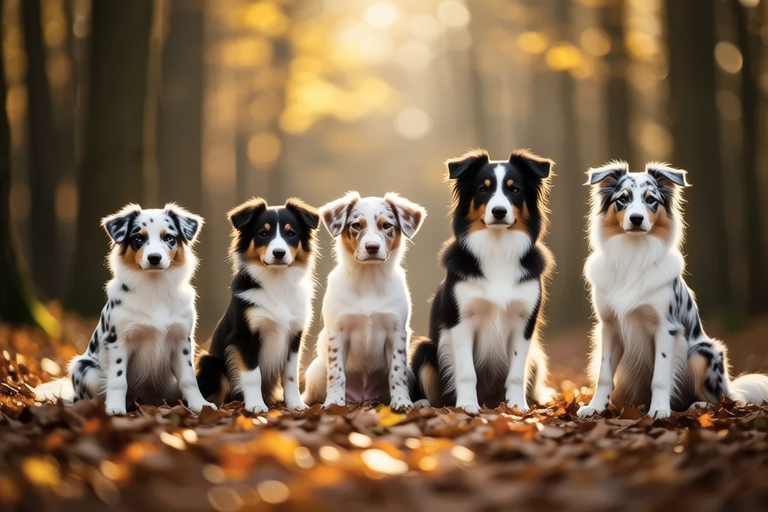
Norway is home to several unique and delightful dog breeds that have been cherished by families for generations. These breeds are known for their loyalty, intelligence, and adaptability, making them ideal companions for families of all sizes. From the majestic Norwegian Elkhound to the gentle Norwegian Buhund, each breed brings its own set of qualities to the table. This article will explore seven Norwegian breeds that are perfect for family life, detailing their origins, physical traits, exercise needs, grooming requirements, and more.
The Norwegian Elkhound
The Norwegian Elkhound, also known as the Norsk Elghund, is one of Norway’s oldest and most iconic breeds. Originally bred for hunting large game such as moose, this versatile breed has transitioned into a beloved family pet. With a dense, grey coat and a distinctive black mask, the Norwegian Elkhound is both striking and hardy. Their compact size and muscular build make them agile and energetic, which suits their need for regular exercise.
Elkhounds are highly intelligent and trainable, often excelling in obedience training and agility competitions. They are fiercely loyal to their families, forming strong bonds with children and adults alike. Their protective nature makes them excellent watchdogs, but they are generally friendly towards strangers. The breed thrives on mental stimulation and requires consistent training to prevent boredom-related behaviors.
Grooming the Norwegian Elkhound can be a bit challenging due to their thick double coat, which sheds heavily twice a year. Regular brushing is essential to maintain their coat’s health and reduce shedding. Exercise is crucial for this breed; they require daily walks and playtime to keep them physically and mentally stimulated.
The Norwegian Buhund
The Norwegian Buhund is another ancient Norwegian breed with a rich history dating back over a thousand years. Originally used as herding dogs, Buhunds are known for their versatility and adaptability. These medium-sized dogs come in two colors: ruddy brown and black, with white markings. Their alert and lively demeanor makes them great family pets.
Buhunds are affectionate, playful, and eager to please, making them excellent companions for children. They are naturally protective of their families, but their friendly nature extends to visitors as well. Their intelligence and trainability make them easy to teach basic commands and tricks. Buhunds are also known for their ability to herd, a trait that can be harnessed in games or training sessions.
Exercise is important for Buhunds, who enjoy long walks and outdoor activities. However, their small size means they don’t require excessive amounts of exercise compared to larger breeds. Grooming is relatively simple, with weekly brushing being sufficient to keep their coats in good condition. Their active nature and sociable personality make them a joy to have around.
The Norwegian Lundehund
The Norwegian Lundehund is a rare and fascinating breed, known for its unique physical attributes and historical significance. Originally bred for retrieving puffins from their nesting cliffs, the Lundehund has six toes on each foot, a flexible spine, and the ability to close its ears. These adaptations allowed the breed to navigate treacherous terrain and perform its job efficiently.
Lundehunds are gentle and affectionate, forming close bonds with their families. They are generally good with children and other animals when properly socialized. However, their independent streak can sometimes lead to stubbornness, requiring patient and consistent training. Despite their small size, Lundehunds are surprisingly active and require regular exercise to stay healthy and happy.
Grooming the Lundehund is relatively straightforward, with occasional brushing to remove loose hair. Due to their history of retrieving birds, they may have a tendency to chew, so providing appropriate toys is essential. Special care must be taken to monitor their ears, as their unique anatomy can lead to ear infections if not properly maintained.
The Norwegian Dachshund
The Norwegian Dachshund, while not as widely recognized as its German counterpart, shares many similarities with the traditional Dachshund. Known for their elongated bodies and short legs, Norwegian Dachshunds are energetic and curious. They come in various coat types, including smooth, longhaired, and wirehaired, each requiring different grooming routines.
Dachshunds are known for their loyalty and devotion to their families. They are often affectionate and playful, especially with children. However, their strong-willed nature can sometimes lead to dominance issues if not properly trained. Early socialization and consistent training are key to ensuring a well-behaved and happy Dachshund.
Exercise is important for Dachshunds, who enjoy exploring their surroundings and playing fetch. Their small size means they don’t require extensive exercise, but they do benefit from daily walks and mental stimulation. Grooming needs vary depending on the coat type, with smooth-coated Dachshunds needing minimal grooming and longhaired or wirehaired varieties requiring more frequent brushing.
The Norwegian Spitz
The Norwegian Spitz is a medium-sized breed known for its fox-like appearance and lively personality. Originating from ancient spitz-type dogs, the Norwegian Spitz was once used for hunting and herding. Today, it is primarily kept as a companion animal. With a thick, double coat that comes in various colors, the Norwegian Spitz is a striking and elegant breed.
Spitzes are friendly, outgoing, and full of energy. They are excellent with children and other pets when socialized from a young age. Their intelligence and eagerness to please make them responsive to training, though they can be stubborn at times. Their high energy levels mean they require plenty of exercise and mental stimulation to thrive.
Grooming the Norwegian Spitz involves regular brushing to maintain their coat’s health and reduce shedding. Their active nature necessitates daily walks and playtime to keep them fit and engaged. Their friendly and adaptable nature makes them a wonderful addition to any family.
The Norwegian Forest Cat
While not a dog, the Norwegian Forest Cat deserves mention for its unique place in Norwegian culture and its suitability as a family pet. Also known as the Skogkatt, this breed is renowned for its thick, water-resistant coat and robust physique. Originating from the forests of Norway, the Norwegian Forest Cat is a natural-born climber and hunter.
Forest Cats are affectionate and playful, often forming strong bonds with their human families. They are generally good with children and other pets, though early socialization is recommended. Their independence and curiosity can lead to exploratory behavior, so secure environments are necessary. Despite their wild appearance, Norwegian Forest Cats are gentle and loving companions.
Regular grooming is essential to maintain the cat’s luxurious coat, with daily brushing during shedding seasons. Their hunting instincts mean they may catch small creatures, so supervision is advisable. Their friendly and adaptable nature makes them a popular choice for families seeking a feline companion.
The Norwegian Lapphund
The Norwegian Lapphund is a versatile and intelligent breed with a history of herding reindeer. This medium-sized dog is known for its thick, weather-resistant coat and sturdy build. Their gentle and calm demeanor makes them excellent family pets, particularly in homes with children.
Lapphunds are loyal and affectionate, forming strong bonds with their families. They are generally good-natured and patient, making them ideal companions for children. Their intelligence and trainability make them responsive to commands and tasks. However, their independent nature can sometimes lead to selective obedience, requiring patient and consistent training.
Exercise is important for Lapphunds, who enjoy outdoor activities and mental challenges. Their thick coat means they are well-suited for colder climates but can still thrive in warmer regions with proper care. Grooming is relatively simple, with regular brushing to maintain their coat’s health and reduce shedding.
Choosing the Right Breed for Your Family
Selecting the right Norwegian breed for your family depends on several factors, including lifestyle, living space, and family dynamics. Consider the amount of time you can dedicate to exercise and training, as well as the level of grooming required. If you have young children, choosing a breed known for its patience and gentleness, like the Norwegian Buhund or Lapphund, might be ideal.
For those living in smaller spaces, a breed with lower exercise needs, such as the Norwegian Dachshund, could be more suitable. Families with active lifestyles may prefer breeds like the Norwegian Elkhound or Spitz, which thrive on outdoor activities and mental challenges. Ultimately, the best breed for your family is one that matches your lifestyle and brings joy and companionship to your home.
