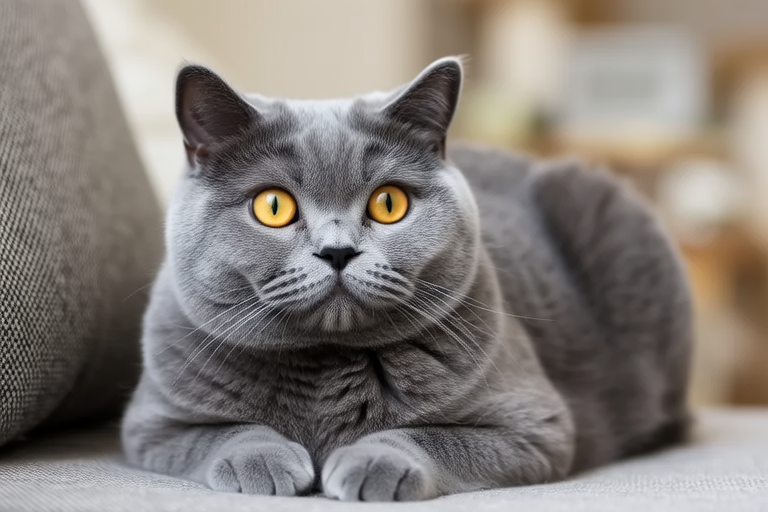
How to Care for Your British Shorthair Silver Like a Pro
Welcome to the wonderful world of British Shorthair Silvers! These majestic felines are known for their striking silver coats and gentle dispositions. If you’re looking to provide the best possible care for your British Shorthair Silver, you’ve come to the right place. In this guide, we’ll explore various aspects of caring for these beautiful cats, from coat care and diet to exercise and socialization. Let’s dive in!
Understanding the Unique Coat of Your British Shorthair Silver
The British Shorthair Silver boasts a stunning, plush silver coat that requires special attention. Their fur is short but dense, making it prone to matting if not properly maintained. Regular brushing is essential to keep their coat healthy and shiny.
Grooming Tips: Use a high-quality slicker brush to gently remove loose hair and prevent mats. Brush your cat at least twice a week, increasing frequency during shedding seasons. This not only keeps their coat in top condition but also strengthens the bond between you and your furry friend.
Personal Anecdote: My British Shorthair Silver, Luna, loves our grooming sessions. She purrs contentedly while I brush her luxurious coat, and it’s a great way to unwind after a long day.
Dietary Needs of Your British Shorthair Silver
Nutrition plays a crucial role in maintaining your cat’s overall health. British Shorthair Silvers have specific dietary requirements that need to be met to ensure they remain happy and healthy.
Feeding Recommendations: Opt for high-quality cat food that provides balanced nutrition. Look for ingredients like lean proteins, vitamins, and minerals. Consult with your veterinarian to determine the ideal portion size based on your cat’s age, weight, and activity level.
Avoid feeding them table scraps or human foods, as these can lead to digestive issues or obesity. Instead, consider offering occasional treats specifically designed for cats. Treats should make up no more than 10% of their daily calorie intake.
Exercise Requirements for Your British Shorthair Silver
British Shorthair Silvers may appear lazy due to their robust build, but they still require regular physical activity to stay fit and healthy.
Encouraging Exercise: Provide interactive toys such as feather wands, laser pointers, or puzzle feeders to stimulate their minds and bodies. Rotate toys regularly to maintain interest. Set aside time each day for play sessions, even if it’s just 15 minutes.
Personal Anecdote: My cat, Luna, enjoys chasing a laser pointer around the room. It’s amusing to watch her pounce and leap, and it helps burn off excess energy.
Health Issues Common to British Shorthair Silvers
Like all breeds, British Shorthair Silvers are susceptible to certain health problems. Being aware of these potential issues allows you to take proactive measures in maintaining your cat’s well-being.
- Hypertrophic Cardiomyopathy (HCM): This heart condition causes thickening of the heart muscle, leading to poor heart function. Regular veterinary check-ups can help detect HCM early.
- Pancreatitis: Inflammation of the pancreas can cause severe abdominal pain and vomiting. A proper diet and avoiding fatty foods can reduce the risk.
- Dental Disease: Poor dental hygiene can result in tooth decay and gum infections. Brush your cat’s teeth regularly and schedule professional cleanings with your vet.
Regular visits to the veterinarian are crucial for monitoring your cat’s health and addressing any concerns promptly.
Grooming Tips for Your British Shorthair Silver
In addition to regular brushing, there are several other grooming practices that will keep your British Shorthair Silver looking its best.
Bathing: While most cats are self-groomers, occasional baths may be necessary. Use a mild cat shampoo and warm water. Be sure to thoroughly rinse out all soap residue, as leaving behind shampoo can irritate your cat’s skin.
Nail Trimming: Long nails can become painful and cause injury. Trim your cat’s nails every few weeks. Use sharp nail clippers designed for cats, and avoid cutting into the quick, which contains blood vessels and nerves.
Eyecare: Tear stains can occur if tears don’t dry properly. Clean around your cat’s eyes with a damp cotton ball or cloth. This prevents irritation and maintains good hygiene.
Socializing and Training Your British Shorthair Silver
Socialization is key to ensuring your British Shorthair Silver becomes a well-adjusted member of your household. Early exposure to different people, environments, and experiences helps them develop confidence and adaptability.
Training Techniques: Positive reinforcement is highly effective when training cats. Reward desired behaviors with treats, praise, or playtime. Avoid punishment, as it can create fear and mistrust.
Personal Anecdote: When I first brought Luna home, she was quite shy. By gradually introducing her to new sights and sounds, along with lots of positive reinforcement, she has become much more outgoing and playful.
Socializing also involves introducing your cat to other pets in the household. Monitor interactions closely and intervene if conflicts arise. Encourage peaceful coexistence through supervised play sessions and shared resources.
Conclusion
Caring for a British Shorthair Silver is a rewarding experience that comes with its own set of challenges. By understanding their unique coat care, dietary needs, exercise requirements, health issues, grooming tips, and socialization/training techniques, you can ensure your cat lives a long, healthy, and happy life.
Remember, every cat is an individual with distinct preferences and personalities. Stay patient, observant, and loving, and you’ll form a strong bond with your British Shorthair Silver that lasts a lifetime.
