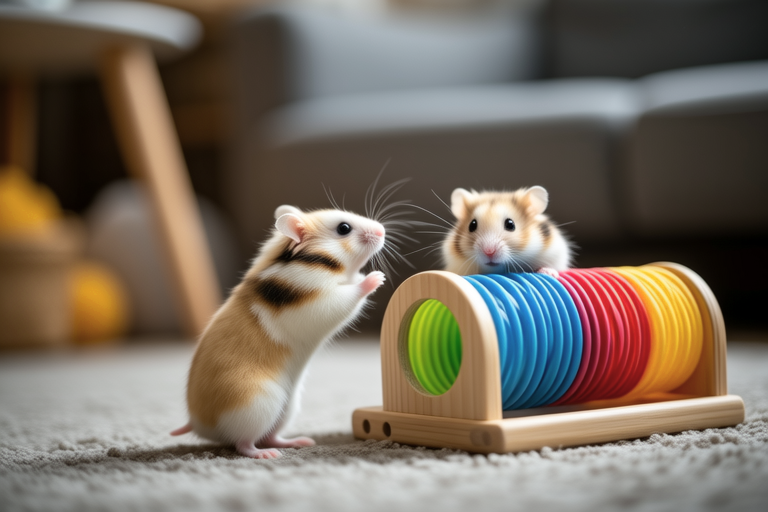
Adorable Golden Hamsters: Training Tips for Fun and Bonding
Welcome to the world of golden hamsters! These tiny, adorable creatures have captured the hearts of many pet lovers with their cute faces and fluffy fur. Known for their nocturnal habits and curious nature, golden hamsters are popular pets that bring joy and companionship to homes around the globe. Whether you’re a first-time hamster owner or a seasoned caretaker, this guide will help you understand and bond with your golden hamster through training.
Understanding Your Hamster’s Behavior
Before diving into training, it’s crucial to understand your golden hamster’s natural behaviors. Golden hamsters are solitary animals by nature, and they are most active during the night. They are territorial and prefer to be alone, so it’s important to respect their space and not overcrowd them. Their curiosity can lead them to explore their environment thoroughly, and they may nibble on objects to investigate them.
Hamsters also exhibit specific behaviors when they feel threatened or stressed. Signs of distress include biting, hiding, or becoming aggressive. By observing these behaviors, you can better understand your hamster’s emotional state and respond accordingly. Providing a safe, quiet environment and minimizing sudden movements can help reduce stress and foster a trusting relationship.
Basic Training Techniques
Training your golden hamster can be a rewarding experience for both you and your pet. While hamsters are not as trainable as dogs, they can learn simple commands and tricks with patience and positive reinforcement. Here are some basic techniques to get you started:
- Teaching ‘Come’: Place treats near the entrance of your hamster’s cage and gently call its name. When your hamster approaches, reward it with a treat and praise. With consistent practice, your hamster will associate your call with receiving a treat, encouraging it to come when called.
- Using a Bridge Word: A bridge word is a sound, like a clicker or a specific word, used to mark the moment your hamster performs the desired action. For example, if you want to teach your hamster to push a small ball, say ‘good’ when it touches the ball and immediately give a treat. Over time, your hamster will learn that performing the action results in a reward.
- Building Confidence: Start training sessions with short, positive experiences. Gradually increase the duration and complexity of the tasks as your hamster becomes more comfortable. Always end the session on a high note, ensuring your hamster feels successful.
Enhancing Bonding Through Training
Training your golden hamster can significantly enhance the bond between you and your pet. The shared experience of learning together strengthens trust and mutual understanding. By spending quality time training, you create opportunities for interaction and communication, which can lead to a deeper connection.
During training, pay close attention to your hamster’s body language. If it shows signs of stress or discomfort, take a break and try again later. Building a strong bond requires patience and respect for your hamster’s boundaries. Remember, the goal is not just to train but also to enjoy each other’s company.
The Importance of Positive Reinforcement
Positive reinforcement is the cornerstone of effective hamster training. This method involves rewarding desirable behaviors with treats, praise, or toys. It encourages your hamster to repeat those behaviors because it associates them with something enjoyable.
When using treats as rewards, choose small, nutritious options like unsweetened cereals, fruits, or vegetables. Avoid overfeeding, as hamsters can easily become overweight. Additionally, verbal praise and gentle petting can serve as non-food rewards, reinforcing good behavior without adding extra calories.
Persistence and consistency are key to successful training. Be patient and avoid getting frustrated if your hamster doesn’t catch on right away. Each hamster learns at its own pace, and some may require more time than others. Celebrate small victories along the way, and remember that the journey is as important as the destination.
Maintaining a Healthy and Stimulating Environment
To ensure your golden hamster thrives, provide a healthy and stimulating environment. A spacious cage with plenty of toys, tunnels, and chewable items can prevent boredom and promote mental and physical well-being. Rotate toys periodically to keep your hamster engaged and interested.
Regular exercise is essential for your hamster’s health. Provide a wheel or tunnel system that allows your hamster to run and explore. Ensure the equipment is safe and free from hazards that could cause injury.
Feeding a balanced diet is crucial for your hamster’s overall health. Offer a variety of fresh vegetables, fruits, grains, and proteins. Consult with a veterinarian or a pet care specialist to determine the best diet for your hamster’s age, size, and activity level. Regular veterinary check-ups are also important to monitor your hamster’s health and address any concerns early.
In conclusion, golden hamsters are delightful pets that offer companionship and joy. By understanding their behavior, employing basic training techniques, and practicing patience and positive reinforcement, you can build a strong bond with your pet. Maintaining a healthy and stimulating environment ensures your hamster lives a happy and fulfilling life. Enjoy the journey of raising and training your adorable golden hamster, and cherish the unique bond you share.
