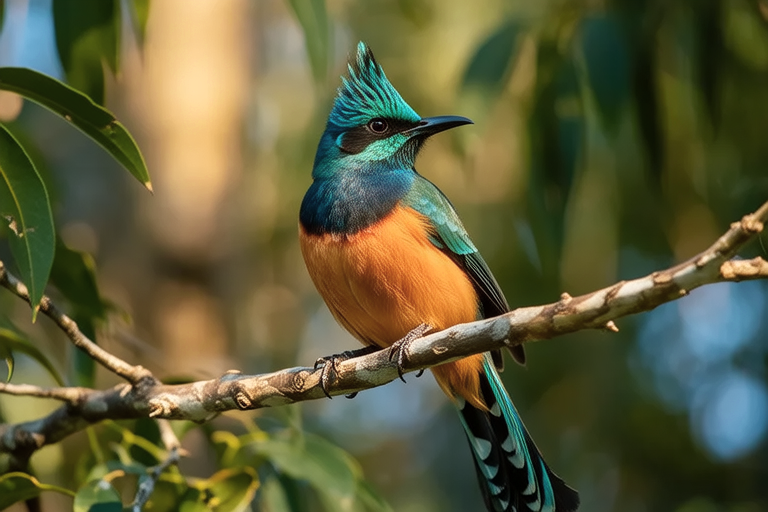
Unleashing the Charm: Everything You Need to Know About Splendid Japalures
Welcome to the enchanting world of Japalures! These captivating creatures have been capturing hearts for centuries with their unique charm, vibrant colors, and delightful personalities. If you’re considering adding a Japalure to your family or want to learn more about these remarkable animals, this guide will provide all the information you need to know. From their origins and physical characteristics to care requirements and training tips, we’ve got you covered.
Origins of Japalures
Japalures, scientifically known as Avicularia splendidus, are native to the lush rainforests of Central America. They were first discovered by Spanish explorers in the 16th century who were amazed by their beauty and grace. Since then, Japalures have been highly sought after as exotic pets due to their striking appearance and gentle nature. Their name, derived from the Spanish word “japalura,” meaning “splendor,” perfectly encapsulates the allure of these creatures.
Physical Characteristics and Colors
Japalures are medium-sized spiders, typically measuring between 3 to 4 inches in leg span. Their most striking feature is their iridescent exoskeleton, which shimmers in shades of blue, green, and purple under natural light. This mesmerizing display of color is due to microscopic structures in their exoskeleton that reflect light, creating a stunning visual effect. In addition to their vibrant hues, Japalures have long, slender legs that allow them to move gracefully through their environment.
Their eyes are another fascinating aspect of their anatomy. Unlike many other spider species, Japalures have eight eyes arranged in two rows of four. This gives them excellent vision, particularly in low-light conditions. However, despite their keen eyesight, they rely more on vibrations and touch to navigate and hunt for prey.
Temperament and Care Requirements
Japalures are known for their calm and docile demeanor, making them ideal pets for those who appreciate a peaceful and low-maintenance companion. They are generally non-aggressive and rarely bite unless provoked. Their gentle nature makes them perfect for handling and interaction, provided you handle them with care and respect.
Caring for a Japalure requires attention to their specific habitat needs. They thrive in warm and humid environments, so it’s essential to maintain a temperature range of 75 to 85 degrees Fahrenheit and a humidity level of around 70%. A well-ventilated enclosure with plenty of hiding spots and climbing structures is also crucial for their comfort and well-being. Regular misting and providing a shallow water dish will help keep the humidity at the desired level.
Dietary Needs
Japalures are carnivorous arachnids, feeding primarily on insects such as crickets, mealworms, and waxworms. It’s important to ensure that their diet is varied to provide them with all the necessary nutrients. Juvenile Japalures should be fed smaller prey items more frequently, while adults can be fed larger prey less often. Feeding once or twice a week is usually sufficient for adult Japalures.
When preparing food for your Japalure, it’s recommended to dust the insects with calcium and vitamin supplements to support their overall health. Additionally, avoid overfeeding, as obesity can lead to health issues. Always monitor your pet’s weight and adjust the feeding schedule accordingly.
Training and Bonding Tips
While Japalures don’t respond to traditional training methods like dogs or cats, they can still form strong bonds with their owners through positive interactions. Handling your Japalure gently and consistently will help build trust and familiarity. Start by allowing them to become comfortable with your presence before attempting to handle them. Over time, you can introduce simple commands or gestures that signal feeding times or playtime.
To bond with your Japalure, spend quality time observing their behavior and learning their preferences. Each Japalure has its own unique personality, so take the time to understand what makes your pet happy. Providing enrichment activities, such as introducing new toys or rearranging their enclosure, can also enhance your bond and stimulate their natural instincts.
Health Concerns and Preventative Measures
Like any pet, Japalures can face certain health challenges. One common issue is molting difficulties, where they may struggle to shed their old exoskeleton. To prevent this, ensure that your Japalure’s environment is properly humidified and that they have access to a shallow water dish. If you notice signs of distress during molting, consult a veterinarian specializing in exotic pets for guidance.
Another concern is respiratory infections, which can occur if the enclosure becomes too cold or damp. Maintaining the appropriate temperature and humidity levels will help prevent these infections. Regular cleaning of the enclosure and monitoring for any signs of illness, such as lethargy, loss of appetite, or unusual behavior, is essential for early detection and treatment.
Why Japalures Make Wonderful Pets
Japalures make fantastic pets for the right owners. Their unique appearance, gentle temperament, and relatively low maintenance requirements make them an excellent choice for individuals seeking a rewarding and enriching pet experience. Whether you’re an experienced exotic animal owner or new to the world of arachnids, Japalures offer a one-of-a-kind companionship that is sure to bring joy and fascination into your life.
However, it’s important to remember that owning a Japalure comes with responsibilities. Proper research, understanding of their needs, and commitment to providing a suitable environment are key factors in ensuring their well-being. By following the guidelines outlined in this guide, you can enjoy a fulfilling relationship with your Japalure and provide them with a loving home.
